
Business
Golden Morn Champions Environmental Responsibility with Launch of New Sustainability Packaging

By Eric Elezuo
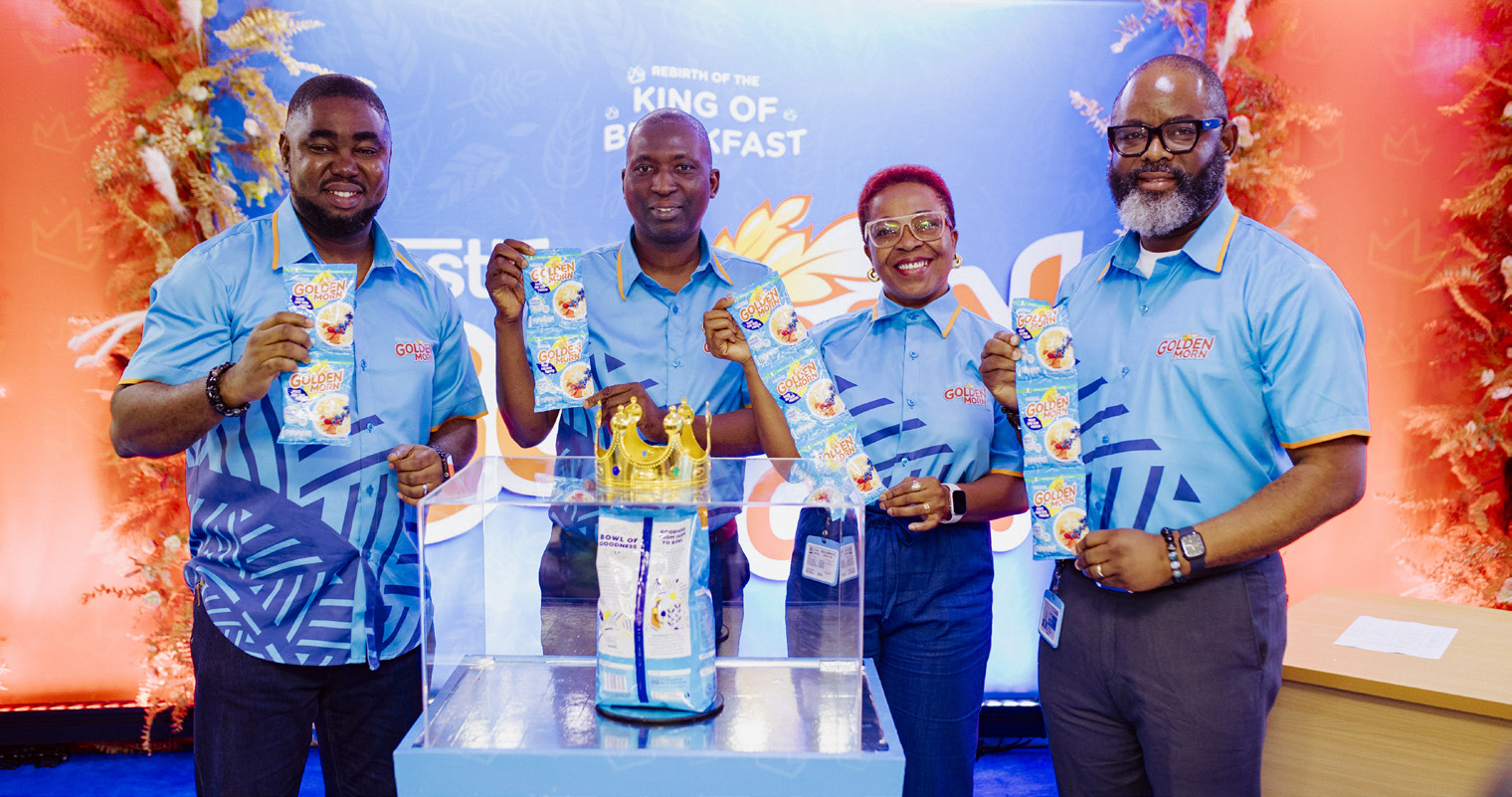
In its bid to further nourish customers with the best of food, especially cereal, and maintain a new 100% recyclable laminate packaging, Nestlé Nigeria, Africa’s top food and beverage company, known for its quality, excellence, and commitment to creating shared value, and its iconic breakfast cereal, Golden Morn, have proudly launched its new sustainable packaging, which underscores the brand’s dedication to providing nutritious food while championing environmental responsibility, and solidifying Golden Morn’s commitment to both nutrition and sustainability.
The launch took place on Monday during an elaborate press conference at the company’s head office in Lagos in the presence of senior management officers and notable members of the media.
A press statement released by the company remarked that “This significant update reflects Golden Morn’s over three-decade legacy of nourishing Nigerian families and its forward-thinking approach to sustainability.”
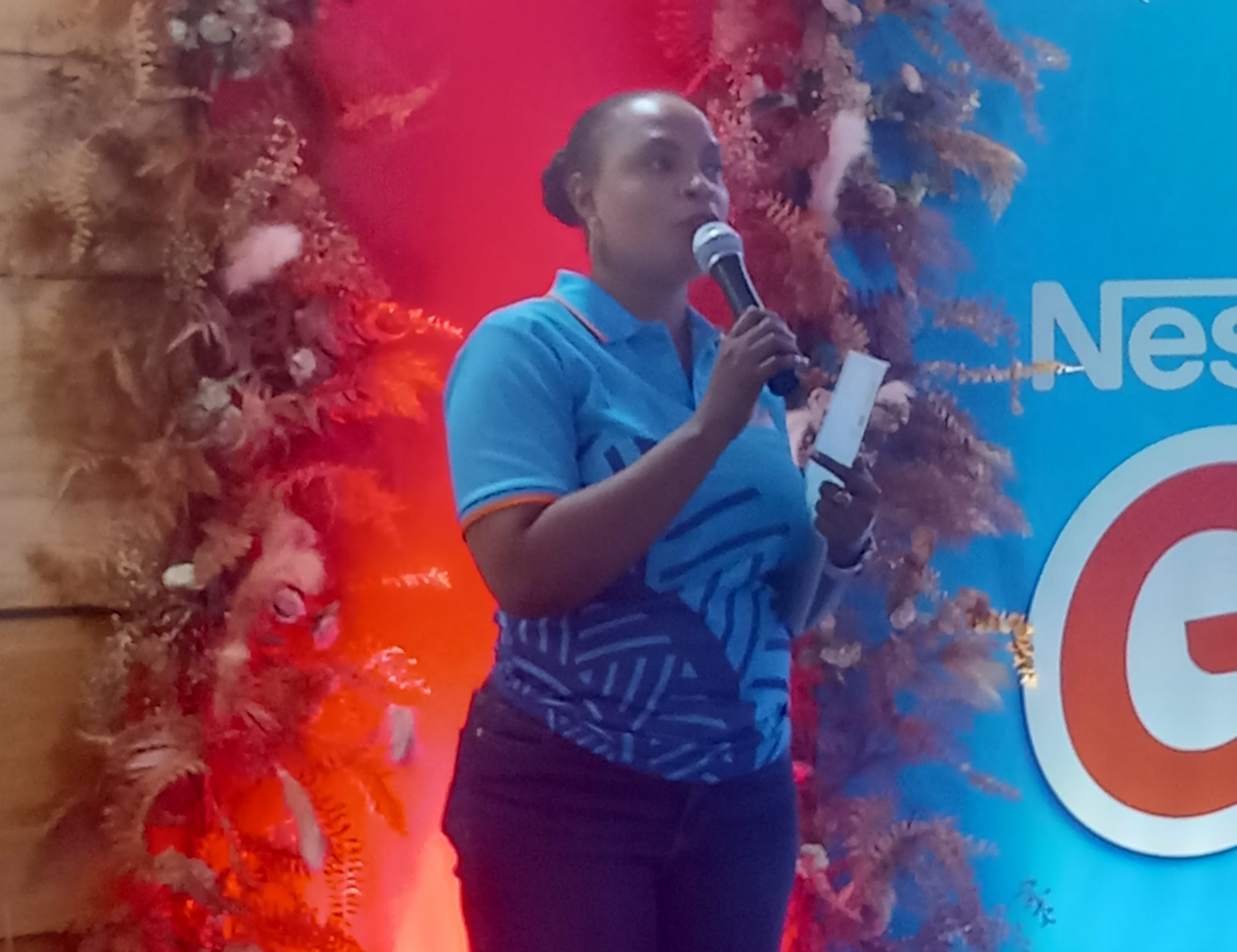
The statement added that “Aligned with Nestlé’s global recycling vision, the new packaging is a testament to the company’s pledge to ensure that more than 95% of its plastic packaging is recyclable by 2025. Crafted with sustainability at its core, the packaging utilizes materials that are easier to recycle, thereby reducing environmental impact and fostering a circular economy.”
In his address, the Managing Director, Nestlé Nigeria, Mr. Wassim Elhusseini, reaffirmed the firm’s commitment to safeguarding the planet in addition to dishing out mouthwatering wheat and dairy products.
“At Nestlé, our responsibility, in addition to delivering nutritious products, also includes safeguarding our planet for future generations,” Elhusseini said.
The MD informed that the beauty of the Nestlé production line is that over 80 per cent of packaging is done with a pro-active view to enhancing recycling, and informs the upgrading of the Golden Morn’s packaging to suit the positive narrative.
“Today, over 80% of all Nestlé’s packaging in Nigeria is optimized for recycling and we are happy that Golden Morn’s packaging has been upgraded to a designed for recycling laminate from the previous aluminum foil packaging. By embracing recyclable materials, we are not only minimizing waste but also reinforcing our leadership in environmental stewardship within the industry,” he stated.
Speaking further on the Golden Morn brand, the Category Manager, Dairy, Mr. Omofasa Orhiunu, hinted that the highly nutritious Golden Morn is proudly developed in Nigeria for Nigeria, and has been a staple in Nigerian households for more than 38 years, offering a delicious and wholesome start to the day.
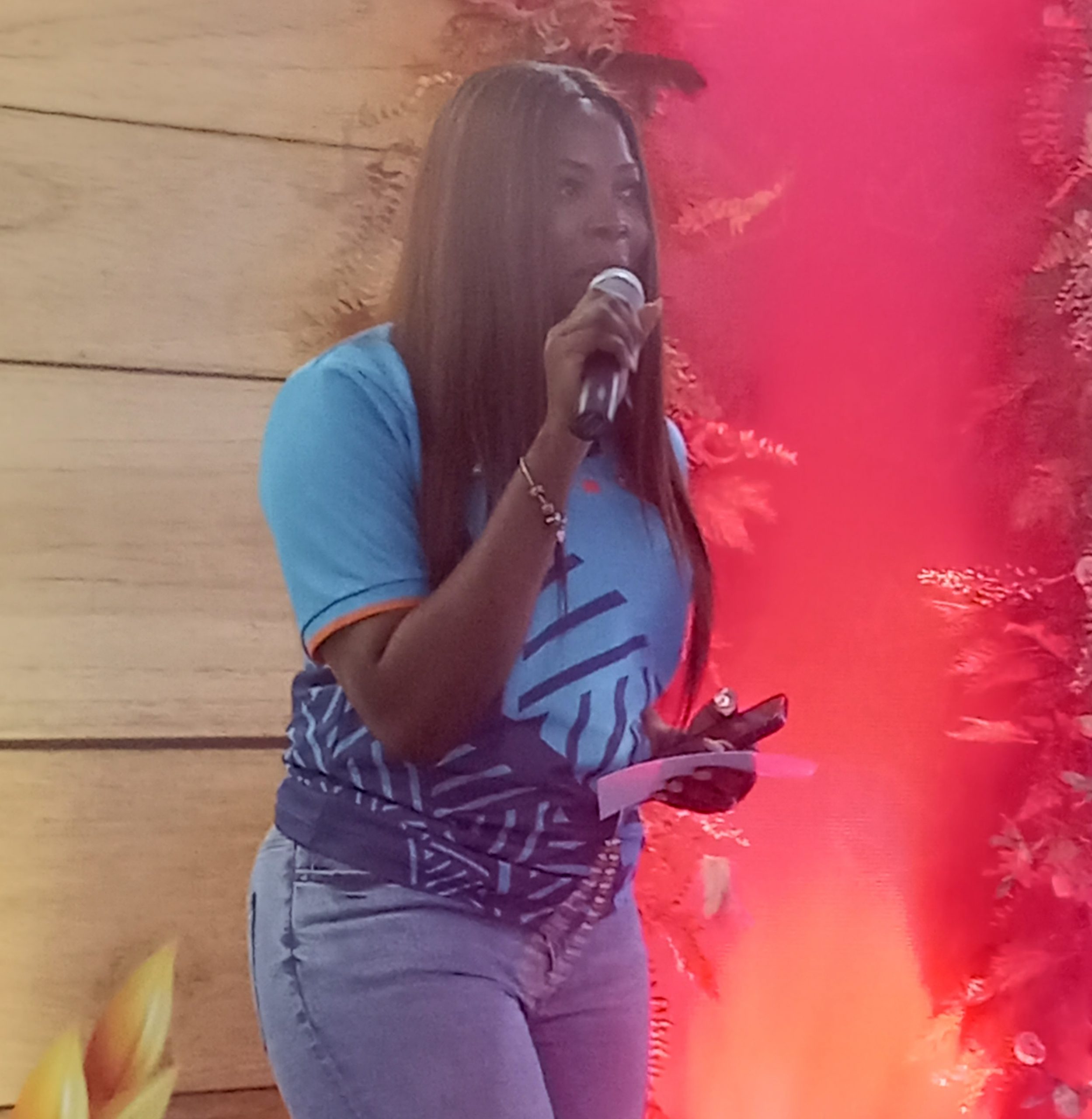
He maintained that the production is crafted from locally sourced maize and soya, adding that the cereal is rich in essential vitamins and minerals, including vitamins A, B1, B5, C, and iron. These ingredients are carefully formulated to energy, protein, dietary fibre and calcium.
“Golden Morn is more than just a breakfast cereal; it’s a brand driven by purpose, dedicated to nourishing families across Nigeria, while protecting the planet for the next generation.
“As we introduce our new sustainable packaging, we remain committed to delivering the same great taste and nutrition that Nigerians have trusted for over 38 years,” Omofasa Orhiunu said.
Also responding, Corporate Communications /Public Affairs and Sustainability Lead, Mrs. Victoria Uwadoka, remarked that the company has stood out in its operations over the years because it chose to be Nigerian and identify with the people in addition to nourishing families and taking care of their nutrition demands.
It is worthy of note that Golden Morn’s commitment is not only grounded in nutrition but also in its focus on local sourcing. The brand sources 100% of its maize and soya locally, collaborating closely with Nigerian farmers to ensure the freshness and quality of its ingredients. This partnership guarantees a superior product while bolstering the local economy and empowering farming communities.
Nestlé has a heritage of more than 63 years in Nigeria and continues to ensure the availability and accessibility of nutritious food and beverage products as well as supporting the communities closest to its operations, taking action to safeguard the environment through sustainable business practices.
Other products in its line of production are Maggi, Milo, Nestlé Pure Life and Cerelac, and boasts of over 2,300 direct employees, 3 factories and 7 branch offices across Nigeria.
Feature Photo: Left to right: Category Manager Dairy, Omofasa Orhiunu; Country HR Manager, Shakiru Lawal; Corporate Communications /Public Affairs and Sustainability Lead, Victoria Uwadoka, and Commercial Manager, Boladale Odunlami


Business
Unity Bank, Experts Advocate Green Investment, Climate Innovation to Drive Economic Resilience

Nigeria’s retail lender, Unity Bank Plc, alongside leading climate innovation experts, has called for increased investment in the green econoy and the adoption of frontier technologies as critical pathways to driving economic resilience and reducing the impact of climate change on vulnerable populations across Africa.
The call was made during a thought-provoking webinar hosted by the Bank to commemorate this year’s Earth Day, themed “The True Cost of Climate Change and Who Pays?”. Climate experts and stakeholders convened to examine the human, economic, and institutional costs of climate change, while spotlighting practical solutions to address its growing impact.
In his opening remarks, Unity Bank’s Head of Strategy and Innovation, Ibukun Coker, emphasised the urgency of addressing climate risks from both a societal and business perspective.
He said: “Climate change is no longer a distant or abstract challenge. It is an existential threat with direct consequences for individuals, businesses, and economies. At Unity Bank, we recognise the role institutions must play in incorporating sustainability in project financing, supporting businesses and promoting solutions that build resilience in communities where we operate.”
The webinar featured Chinwe Udo-Davis, Founder and CEO of Instollar, and Oluwatosin Ajide, Programme Manager at the Nigeria Climate Innovation Centre, both of whom provided insights into the drivers of climate change and the pathways to mitigation and adaptation.
Wema Bank, Nigeria’s oldest indigenous national bank and pioneer of Africa’s first fully digital bank, ALAT, has successfully met and surpassed the Central Bank of Nigeria’s (CBN) recapitalisation requirements, reaffirming its status as a National bank. This achievement represents a critical milestone in the Bank’s growth journey, reflecting its ability to meet regulatory expectations and its deliberate strategy to scale sustainably, strengthen its balance sheet, and reinforce its position within Nigeria’s banking sector.
The milestone follows the Bank’s successful completion of a ₦150 billion Rights Issue and an additional ₦50 billion special placement in 2025, bringing its Total Qualifying Capital to ₦264.7 billion, well above the regulatory minimum. This achievement was concluded six months ahead of the CBN’s stipulated deadline, further reinforcing the Bank’s strong financial position, shareholder confidence, and long-term growth trajectory.
Earlier in April 2026, the Central Bank of Nigeria also formally confirmed that Wema Bank, alongside 32 other financial institutions across international, national, and regional categories, had successfully concluded the recapitalisation process. Notably, Wema stands among only ten national banks that met and surpassed the minimum required capital threshold, thereby sustaining its national banking license.
This milestone not only affirms regulatory compliance but also signals a new phase of accelerated growth for the Bank; one defined by stronger capital base, increased capacity to support customers, and a reinforced position within Nigeria’s competitive banking landscape.
Commenting on the milestone, the Managing Director/Chief Executive Officer of Wema Bank, Moruf Oseni, stated, “The successful completion of our recapitalisation exercise is a defining moment for Wema Bank. It is a strong validation of our strategy, our performance, and the enduring confidence our shareholders and stakeholders have in our vision. We have not only met the CBN’s requirements; we have exceeded them, reinforcing our position as a National Bank with the scale, strength, and stability to compete and lead.”
In March 2024, the Central Bank of Nigeria announced the recapitalisation programme requiring all national banks to maintain a minimum capital base of ₦200 billion. The initiative was designed to strengthen the resilience of financial institutions, enhance their capacity to absorb economic shocks, and position them to drive sustainable economic growth.
In response, Wema Bank embarked on a strategic capital raise through the stock market, successfully strengthening its shareholder base and securing the required capital through strong participation from existing investors. The ₦150 billion Rights Issue, which opened on April 14, 2025, and closed on May 21, 2025, marked a significant step in this journey. This was subsequently complemented by a ₦50 billion special placement later in the year, ensuring the Bank not only met but exceeded the regulatory threshold well ahead of schedule.
For Wema Bank, this journey is a testament to its transformation. After regaining its national license in 2015, the Bank has consistently demonstrated financial discipline and strategic foresight. By raising the necessary capital primarily from existing shareholders, the Bank has underscored a deep-seated mutual trust between the institution and its investors.
Speaking further on what this achievement means for the Bank’s future and its customers, Oseni added: “This milestone strengthens our ability to compete at scale, deepen our market presence, and deliver more value to our customers across Nigeria through improved access to credit, enhanced digital banking experiences, and innovative financial solutions. It positions us to play an even bigger role in powering Nigeria’s economy while continuing to deliver sustainable value to all our stakeholders.
Looking ahead, we remain focused on deepening our market presence, driving customer-centric innovation, and strengthening our role as a catalyst for growth across retail, SME, and corporate segments. This is not just about retaining our license; it is about building a bigger, stronger, and more impactful Wema Bank.”
The successful conclusion of the recapitalisation process underscores Wema Bank’s financial strength, disciplined execution, and unwavering commitment to regulatory compliance as it continues to expand its footprint across Nigeria. With a significantly strengthened capital base, the Bank is now positioned to do more – support more customers, enable more businesses, and unlock more opportunities across every segment it serves.
As it enters this new phase, Wema Bank is not only reaffirming its status as a National Bank; it is stepping forward with greater scale, sharper ambition, and a clear intent to lead. The Bank remains firmly committed to powering progress, driving innovation through ALAT, and delivering sustained value; powering a future of possibilities for all its stakeholders.
Ecobank Nigeria, a subsidiary of the leading Pan‑African financial services group, Ecobank Group, has announced the fifth edition of the Adire Lagos Experience, its flagship cultural and creative industry showcase. The event will take place from June 11–14, 2026, at the Ecobank Pan African Centre (EPAC), Victoria Island, Lagos.
The 2026 edition is themed “Threads Across Borders,” celebrating the depth and global resonance of Adire as a uniquely Nigerian art form, while positioning it within Africa’s broader textile and cultural narrative.
Rooted in Nigeria’s rich heritage, the Adire Lagos Experience continues to serve as a gateway for cross‑border cultural exchange, reinforcing Ecobank’s Pan‑African vision through culture‑led commerce.
The four‑day event will feature over 100 vendors, with the exhibition remaining predominantly Nigerian, reflecting the country’s leadership as the home and heartland of Adire production. To enrich diversity and continental collaboration, 10 percent of participating vendors will come from outside Nigeria, offering complementary African textile expressions and creative perspectives that foster knowledge exchange and cross‑border partnerships.
Speaking on the upcoming event, Omoboye Odu, Head, SMEs, Partnerships and Collaborations at Ecobank Nigeria, highlighted the intentional balance between cultural authenticity and Pan‑African inclusion.
“Adire is proudly Nigerian, and this platform remains firmly anchored in celebrating our local artisans and creative enterprises. At the same time, Ecobank’s Pan‑African mandate allows us to thoughtfully open the space to creators from other African markets, encouraging collaboration, shared learning, and trade connections that elevate African craftsmanship as a whole,” she said.
Beyond the exhibition booths, the Adire Lagos Experience 2026 will offer indigenous cuisine, African music and cultural performances, alongside curated networking and business engagement sessions designed to strengthen linkages across the Adire and wider creative value chain—from artisans and designers to merchants, buyers, and cultural enthusiasts.
As part of its ongoing commitment to supporting SMEs and the creative economy, Ecobank has opened registration for prospective exhibitors, with selected applicants eligible to receive complimentary exhibition booths. Applications close on April 28, 2026.
Through the Adire Lagos Experience, Ecobank continues to champion Nigeria’s cultural leadership while advancing Pan‑African collaboration—transforming heritage into enterprise and reinforcing its role as a truly Pan‑African institution driving impact beyond banking.


