Business
Access Bank’s Africa Trade Conference Ignites New Era of Intra-Africa Commerce


- /home/rhoncare/pointblank.ng/wp-content/plugins/mvp-social-buttons/mvp-social-buttons.php on line 27
https://pointblank.ng/wp-content/uploads/2025/03/IMG-20250313-WA0009-1000x600.jpg&description=Access Bank’s Africa Trade Conference Ignites New Era of Intra-Africa Commerce', 'pinterestShare', 'width=750,height=350'); return false;" title="Pin This Post">
- Share
- Tweet /home/rhoncare/pointblank.ng/wp-content/plugins/mvp-social-buttons/mvp-social-buttons.php on line 69
https://pointblank.ng/wp-content/uploads/2025/03/IMG-20250313-WA0009-1000x600.jpg&description=Access Bank’s Africa Trade Conference Ignites New Era of Intra-Africa Commerce', 'pinterestShare', 'width=750,height=350'); return false;" title="Pin This Post">
Access Bank Plc has successfully hosted the inaugural Africa Trade Conference in Cape Town, South Africa, bringing together industry leaders, policymakers, and trade experts to drive solutions for accelerating intra-African trade and unlocking the continent’s economic potential.
The conference tackled critical challenges, including limited access to capital, market information gaps, trust deficits between trading partners, and the urgent need for modernised trade infrastructure.
Roosevelt Ogbonna, Managing Director/CEO of Access Bank, delivered the opening remarks, setting the tone for discussions by highlighting the critical barriers hindering trade across Africa. He emphasised the urgent need for financial sector collaboration to facilitate seamless access to capital and foster a business environment where African enterprises can scale and compete globally. “We must invest in the initiatives that ensure that we can bring businesses together, forge trust, and create the connections necessary for trade. In doing so, we must stamp out the narrative that ‘Made in Africa’ is inferior to any product made anywhere else in the world. We must buy Africa, be proud to wear Africa, and invest in Africa because that is what the continent needs to leap forward into the next generation,” Ogbonna stated.
With Africa’s population projected to surge to 2.5 billion by 2050 from 1.2 billion, the African Continental Free Trade Area (AfCFTA) stands as the most significant free trade initiative since the formation of the World Trade Organisation.
By fostering economic integration, AfCFTA has the potential to reshape trade dynamics across the continent, creating a unified market that enhances industrialization, boosts employment, and strengthens Africa’s global competitiveness.
Recognising this transformative opportunity, H.E. Wamkele K. Mene, Secretary-General of AfCFTA, emphasised the urgency of fully implementing the agreement to unlock its immense benefits.
“The AfCFTA is not just a trade agreement; it is an instrument for Africa’s industrialization and economic sovereignty. It is a tool that will enable us to break down historic trade barriers and build an Africa that is self-sufficient, competitive, and prosperous. But for this to happen, we must commit to operationalising the agreement fully, ensuring that businesses, particularly SMEs and women-led enterprises, have access to the information, capital, and platforms they need to thrive,” Mene stated.
Also, Kanayo Awani, Executive Vice President of Afreximbank, emphasised the importance of financing mechanisms that support African businesses in their expansion across borders.
She reaffirmed Afreximbank’s commitment to championing trade finance solutions and infrastructure investments that will unlock Africa’s trade potential. “At Afreximbank, we understand that trade finance is the lifeblood of economic development. Without it, businesses cannot scale, industries cannot innovate, and Africa cannot fully realise its trade potential. This is why we have developed instruments such as the Pan-African Payment and Settlement System (PAPSS) to facilitate seamless transactions across borders, reducing reliance on foreign currencies and strengthening intra-African trade,” Awani remarked.
The conference featured an insightful testimonial from Nathalie Louat, Global Director at the IFC/World Bank Group, who pointed out the pivotal role of trade finance in enabling cross-border transactions and supporting financial inclusion. She underscored the long-standing partnership between IFC and Access Bank in fostering Africa’s economic resilience.
Several high-level panel discussions explored strategies to overcome trade barriers and enhance market access through innovative solutions.
Experts from leading institutions, including Deutsche Bank, Traydstream, OWP Partners, Fiducia International, and more, examined how infrastructure improvements, digital solutions, and policy harmonisation could drive economic growth and boost intra-African trade.
Dr. Marc Auboin from the World Trade Organization (WTO) shared key insights on how digital transformation is reshaping Africa’s supply chain landscape, creating efficiency and unlocking new global market opportunities.
Tanya Dos Santos-Ford from GIBS Business School also led a session on sustainable trade practices, emphasising the need for environmentally responsible economic growth strategies.
The event culminated in an awards ceremony recognising outstanding contributions to intra-African trade and economic transformation. Tradepass Commodities Limited (Ghana), Chemaf International FZE (DR Congo), and Harvest Group of Companies (Zambia) were honoured for their impact on SMEs and women-led trade enterprises.
Bulkstream Limited (Kenya) and Electricidade de Moçambique (Mozambique) received awards for advancing intra-African trade, while Tennant Metals South Africa Pty Ltd was recognised as an Emerging Leader in Trade.
The International Finance Corporation (IFC) was awarded the Climate Finance Leadership Award, while Afreximbank received the Champion of Intra-African Trade Award.
The African Development Bank (AfDB) and Africa Finance Corporation (AFC) were celebrated for their roles in economic transformation and infrastructure finance, respectively.
The prestigious African Icon Award was presented to IHS Group, Dangote Industries Limited, and MTN Group Limited for their significant contributions to Africa’s economic progress.
As the conference ended, Seyi Kumapayi, Executive Director, African Subsidiaries at Access Bank, reaffirmed the institution’s commitment to supporting trade finance, fostering regional integration, and championing policies that create an enabling environment for businesses across Africa.



From manufacturers and distributors to neighbourhood retailers, technology and investment are reshaping the systems that move products across African markets.
When a customer walks into a neighbourhood shop and finds exactly what they need, the transaction may appear simple. But behind that everyday purchase is a complex network of businesses, people and systems working together to make it happen.
Manufacturers produce the goods, distributors move them through supply channels, logistics providers handle transportation, and retailers ensure products reach consumers. Payment systems and financing also play important roles in keeping this commercial ecosystem running.
However, across many African markets, the infrastructure connecting these players remains fragmented, creating challenges that affect how businesses operate and how efficiently products reach consumers.
For small retailers, sourcing products can involve dealing with multiple intermediaries, navigating inefficient distribution networks and managing unpredictable supplies. Limited access to working capital can further complicate inventory management, making it difficult to keep essential products consistently available.
These challenges point to a bigger issue: the future of commerce is not just about selling more products or creating new shopping experiences. It is also about strengthening the infrastructure that makes buying, selling and distribution possible.
Technology is increasingly becoming part of the solution.
Digital platforms can connect retailers with manufacturers and distributors, simplify ordering processes and improve visibility across supply networks. When combined with efficient logistics and access to financing, these innovations can help businesses manage inventory, improve distribution and build stronger commercial relationships.
This is the space in which TradeDepot, a Nigerian technology company, is making its contribution. By using technology to connect small retailers with manufacturers and distributors, the company is helping address some of the structural challenges within traditional retail supply chains.
Its approach reflects a broader opportunity in Africa’s digital transformation: moving beyond solutions that simply improve the customer experience to innovations that strengthen the underlying systems supporting businesses, distribution networks and economic activity.
Investment also plays a critical role in making this transformation possible.
Through Boost Africa, the European Investment Bank (EIB) invested €10 million in Partech Africa Fund, which subsequently backed TradeDepot. The investment demonstrates how development finance and venture capital can support African technology companies working to address fundamental market challenges.
Beyond supporting individual businesses, such investments can contribute to the development of stronger commercial networks, improved infrastructure and innovative solutions that make entire economic value chains more efficient.
Ultimately, a thriving retail sector needs more than shops and customers. It needs reliable supply chains, efficient distribution networks, accessible financing and technology that connects every part of the journey.
Because the future of commerce will not be determined only by what businesses sell, but also by how effectively the systems behind those transactions work.
Boost Africa: From Capital to Impact.
Watch how TradeDepot is bringing commerce closer to communities through technology and the Boost Africa initiative:
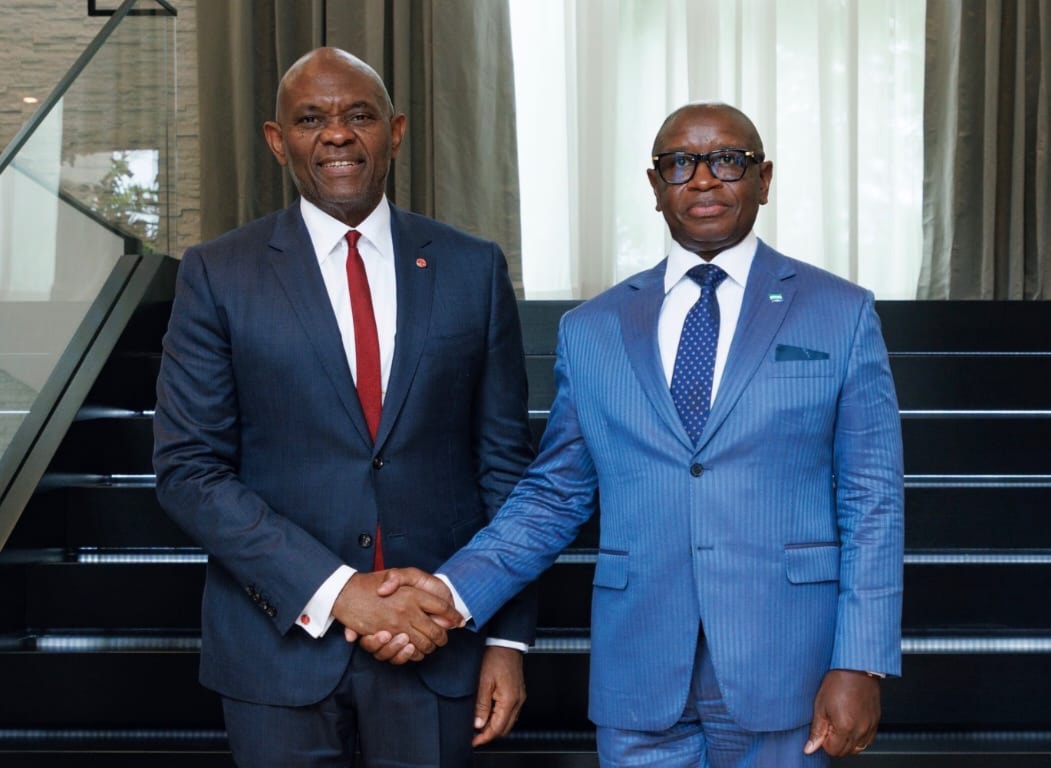
Heirs Holdings, the pan-African investment group founded by African investor and philanthropist Tony O. Elumelu, CFR, will play a leading role at the inaugural West Africa Integration andĥ Investment Summit (WAIIS 2026), taking place November 16–18 in Sierra Leone.
As a Principal Partner of the Summit, the Group is bringing its senior business leadership, investment expertise and extensive operating experience across critical sectors of the African economy to advance the region’s integration and investment agenda.
Mr Elumelu, Group Chairman of Heirs Holdings and a member of the Summit’s Private Sector Advisory Board, is leading private sector mobilisation for the event, convened under the leadership of His Excellency Julius Maada Bio, President of Sierra Leone.
He will be joined by senior executives from across the Group’s portfolio, including Obong Idiong, CEO of Heirs Technologies, who will speak at the Investment Opportunity Session on connecting West Africa’s markets through payments, data and digital networks and Peter Ikenga, CEO of Transcorp Power, who will co-chair the power session alongside Mamadou Sangafowa-Coulibaly, Côte d’Ivoire’s Minister of Mines, Oil and Energy.
The Summit brings together African Heads of State, policymakers, institutional investors, development finance institutions and business leaders to accelerate economic integration and unlock investment opportunities across West Africa.
A longstanding advocate of Africapitalism and a business turnaround expert, Elumelu champions the principle that Africa’s development must be driven by African entrepreneurs and businesses, with long-term private investment creating both economic and social wealth. His leadership at WAIIS reflects a conviction that regional integration must move beyond policy commitments to practical commercial partnerships, cross-border investment and the development of competitive African enterprises.
Heirs Holdings’ prominent role at WAIIS is reinforced by its scale, investment footprint and track record of building businesses across sectors critical to Africa’s economic transformation. As of 31 March 2026, the value of its portfolio companies stood at approximately US$15.08 billion. With investments and operations spanning 24 countries and a workforce of more than 40,000 people across the Group and its portfolio companies, Heirs Holdings is a significant pan-African private-sector investment platform.
For Heirs Holdings, West African integration represents a significant opportunity to expand the region’s economic potential and attractiveness to investors. A more connected region creates larger markets, strengthens intra-regional trade, facilitates the movement of capital, attracts investment, creates jobs, and enables African businesses to achieve greater scale and compete more effectively in the global economy.
As governments, investors and business leaders convene in Sierra Leone, Heirs Holdings reaffirms its commitment to working with public and private sector partners to turn regional integration into a commercial reality that will create lasting economic and social value across the continent.
Heirs Holdings is a leading pan-African investment company. Its investment portfolio spans the energy, power, banking, insurance and financial services, technology, real estate, hospitality and healthcare sectors, operating in twenty-four countries worldwide.
Heirs Holdings is inspired by Africapitalism, the belief that the private sector is the key enabler of economic and social wealth creation in Africa. Driven by this philosophy, Heirs Holdings invests for the long-term, bringing strategic capital, sector expertise, a track record of business success, and operational excellence to its portfolio companies.
Business
From Wholesale Markets to Digital Platforms: How Technology is Transforming Small Business Commerce in Africa
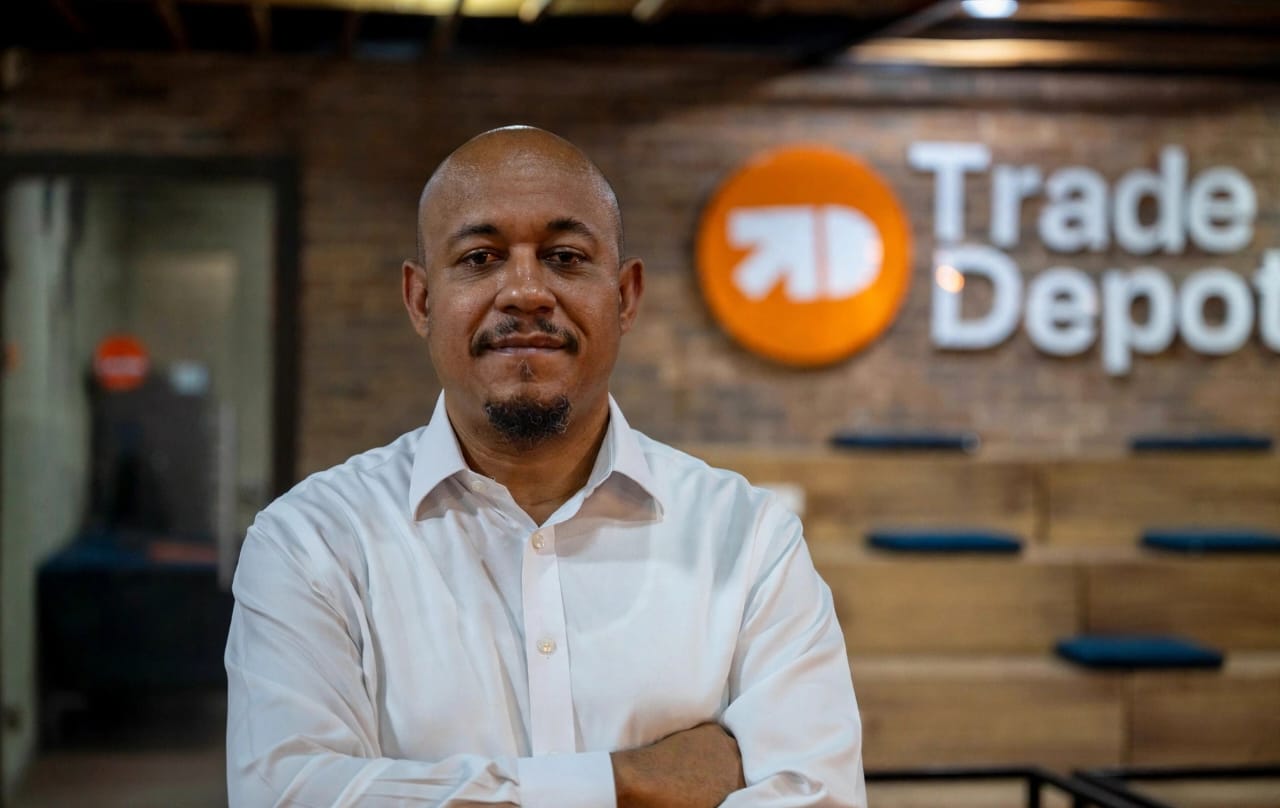
Digital commerce is changing how neighbourhood retailers source products, connect with suppliers and manage their businesses, creating new opportunities for small businesses across Africa.
For millions of small retailers across Africa, keeping a business running involves much more than selling products. Behind every successful neighbourhood shop is a constant effort to find reliable suppliers, compare prices, determine what customers need, manage orders and ensure essential products remain available on the shelves.
Yet, these everyday business activities have traditionally come with significant challenges.
Many small retailers still depend on frequent trips to wholesale markets, multiple intermediaries and fragmented supply arrangements to replenish their stocks. The process can be expensive, time-consuming and unpredictable, taking attention away from customers and limiting opportunities for business growth.
Technology is beginning to change that reality.
Digital commerce platforms are creating new ways for small businesses to discover products, connect directly with suppliers, place orders and manage purchasing more efficiently. With better access to product information and supply channels, retailers can make more informed decisions, reduce sourcing difficulties and respond more effectively to customer demand.
One company working to make this transformation possible is TradeDepot, a Nigerian technology company using digital solutions to connect small retailers with manufacturers and distributors.
Through its technology platform, TradeDepot is helping create more efficient channels for product sourcing and distribution, bringing suppliers and neighbourhood retailers closer together.
The significance of this development extends beyond the convenience of placing orders online. Improved access to products, more efficient purchasing processes and stronger supplier relationships can help small retailers maintain stock availability, serve customers better and build more sustainable businesses.
The transformation also highlights the role of investment in developing Africa’s technology ecosystem.
Through Boost Africa, the European Investment Bank (EIB) invested €10 million in Partech Africa Fund, which subsequently backed TradeDepot. The investment illustrates how development finance and venture capital can support African technology businesses building practical solutions to everyday commercial challenges.
As digital innovation continues to reshape commerce, the benefits are increasingly extending beyond large businesses and established retail chains to the small shops that serve communities every day.
Technology is not just changing how people shop. It is transforming how the businesses serving them source, sell and grow.
Boost Africa: From Capital to Impact.
Watch how TradeDepot is bringing commerce closer to communities through technology and the Boost Africa initiative: