Metro
Africa’s Destiny and the World’s Future: Agriculture, Medicine, and the Agency of a Continent


- /home/rhoncare/pointblank.ng/wp-content/plugins/mvp-social-buttons/mvp-social-buttons.php on line 27
https://pointblank.ng/wp-content/uploads/2025/08/DR.TOLULOPE-A.-ADEGOKE-AMBP-UN__-1-744x600.jpg&description=Africa’s Destiny and the World’s Future: Agriculture, Medicine, and the Agency of a Continent', 'pinterestShare', 'width=750,height=350'); return false;" title="Pin This Post">
- Share
- Tweet /home/rhoncare/pointblank.ng/wp-content/plugins/mvp-social-buttons/mvp-social-buttons.php on line 69
https://pointblank.ng/wp-content/uploads/2025/08/DR.TOLULOPE-A.-ADEGOKE-AMBP-UN__-1-744x600.jpg&description=Africa’s Destiny and the World’s Future: Agriculture, Medicine, and the Agency of a Continent', 'pinterestShare', 'width=750,height=350'); return false;" title="Pin This Post">
By Tolulope A. Adegoke
“The cradle of humankind is also its destiny, and Africa, I dare say, is the future of the world.” — William Ruto, President of Kenya
The proposition that Africa’s destiny will be determined by Africans who understand that destiny is not a slogan of convenience. It is a demographic, ecological, and strategic reality that the twenty-first century is already forcing into view. With a population projected to rise from roughly 1.4 billion today to as many as 2.5 billion by mid-century, Africa will hold an unprecedented concentration of young talent: an estimated 830 million people aged 15 to 35 . By 2050, Africans will constitute approximately one-third of the global labor force. These figures are frequently recited, but their implications are rarely confronted with the seriousness they demand. A world that is aging in Europe, East Asia, and North America cannot indefinitely rely on a shrinking base of workers to sustain production, innovation, and care. The future of the global economy, the future of food, and the future of medicine are being shaped, whether the world acknowledges it or not, by what happens on the African continent. But the direction of that shaping is not predetermined. The destiny of the world may lie in Africa; whether it is a destiny of shared prosperity or of deepening fragility will be decided in Africa by Africans.
The Agricultural Imperative: Potential Unrealized, Provision Deferred
Africa’s agricultural endowment is without parallel. The continent holds more than 60 percent of the world’s uncultivated arable land, a reserve of productive capacity that no other region can match. Yet this abundance coexists with a paradox that should unsettle any serious observer: Africa imports nearly $115 billion worth of food products annually. The continent irrigates only about 6 percent of its arable land, leaving the vast majority of its productive potential dependent on rainfall that climate change is making increasingly erratic. This is not a story of natural scarcity. It is a story of underinvestment, inadequate infrastructure, and policy frameworks that have too often treated agriculture as a residual sector rather than as the foundation of sovereignty.
The transformation required is both technical and institutional, and the continent’s own institutions have begun to articulate it with clarity. The Kampala CAADP Declaration, adopted by the African Union in January 2025, commits member states to increasing agri-food output by 45 percent by 2035, reducing post-harvest losses by 50 percent, tripling intra-African trade in agri-food products, and raising the share of locally processed food to 35 percent of agri-food GDP. The declaration also sets a financing target of $100 billion in public and private investment in African agri-food systems by 2035. These are not modest ambitions. They require the strengthening of seed systems, soil health management, water infrastructure, and agricultural research and extension services—the unglamorous foundations upon which productivity rests. They require the integration of emerging technologies, including biotechnology, artificial intelligence, digital platforms, and precision agriculture, into farming systems that have too often been left behind by the global technological frontier. And they require a deliberate effort to integrate smallholder farmers, women, and youth into value chains and regional markets, not as passive beneficiaries but as participants with equitable claims on the returns.
The stakes extend beyond Africa’s borders. Global food demand is projected to rise substantially as the world’s population approaches 9.8 billion by 2050, and the consequences of failing to meet that demand will not be confined to any single region. Africa’s capacity to transform its potential into production is therefore a matter of global stability, not merely continental development. Yet the transformation will not occur through the passive operation of market forces. It will occur only if African governments, entrepreneurs, and communities make deliberate choices to invest in the continent’s own productive capacity rather than relying on imports that drain foreign exchange and leave populations vulnerable to price shocks they did not create.
Medicine and the Wealth of Indigenous Knowledge
Africa’s contribution to global medicine has been systematically undervalued, in part because the continent’s pharmacopoeia has been treated as folklore rather than as a scientific resource. The botanical wealth of sub-Saharan Africa is extraordinary: over 50,000 distinct plant species are known to occur in the region, and more than a quarter of these have been used for centuries in traditional medicine. This is not a curiosity of ethnographic interest. It is a repository of therapeutic knowledge that modern pharmacology has barely begun to investigate with the rigor it deserves.
The evidence of commercial and clinical significance is already substantial. Prunus africana, harvested from the bark of a tree native to African highlands, is used in the treatment of prostate gland hypertrophy and has been exported in quantities valued at millions of dollars annually, with the pharmaceutical industry capturing the overwhelming share of the final product’s value. Voacanga africana, whose seeds are rich in the alkaloid tabersonine, has been used as a central nervous system depressant in geriatric patients. Rauvolfia vomitoria yields reserpine and yohimbine, compounds with established applications in the management of hypertension and related conditions. These are not isolated examples. They are indicative of a broader pattern in which African biological resources are extracted, processed elsewhere, and returned to the continent—if they return at all—as expensive finished products.
The challenge is not merely scientific but political and ethical. Transforming traditional knowledge into validated therapeutics without exploiting the communities that preserved that knowledge requires robust intellectual property protections, equitable benefit-sharing mechanisms, and genuine collaboration among traditional healers, ethno-botanists, pharmacologists, and regulators. Africa must move from being a supplier of raw materials for global pharmaceutical research to an innovator in its own right, with the infrastructure, funding, and political will to conduct research, develop products, and retain a fair share of the value created. The continent’s biodiversity is not a resource to be exported in its raw state. It is a foundation upon which to build scientific capacity that serves African patients first.
Beyond Agriculture and Medicine: The Strategic Resources of the Future
The destiny of the world is increasingly tied to the minerals that power clean energy, digital infrastructure, and advanced manufacturing. Africa holds approximately 30 percent of global critical mineral reserves, including cobalt, lithium, manganese, and copper. The Democratic Republic of Congo alone supplies 72 percent of globally mined cobalt. These minerals are indispensable to the technologies that will define the coming decades: electric vehicles, energy storage systems, defense technologies, medical devices, and the hardware upon which artificial intelligence depends.
Yet Africa’s share of global revenues from these minerals stands at just 10 percent. The continent captures a fraction of the value that its resources create, while the processing and refining that generate the highest returns occur elsewhere. China controls 87 percent of global refined rare earth production, and the infrastructure gaps in African power, logistics, and refining make the cost of mining on the continent approximately 250 percent higher than the global average. Revenue leakage through tax avoidance costs African nations between $470 million and $730 million annually. These are not inevitable features of the resource economy. They are the consequences of negotiating positions, contractual arrangements, and industrial policies that have favored extraction over transformation.
The African Union’s Agenda 2063 recognizes this imbalance through its African Commodities Strategy, which aims to enable African countries to add value, extract higher rents, integrate into global value chains, and promote diversification anchored in local content development. The strategy’s stated purpose is to transform Africa from a raw materials supplier for the rest of the world into a continent that actively uses its own resources for the economic development of Africans. This is the correct ambition, but its realization depends on collective action. The formation of an association of critical mineral-producing countries, referenced in the African Union’s own progress assessments, represents a potential mechanism for coordinating bargaining positions and capturing a fairer share of resource rents. The alternative—continued fragmentation, bilateral deals negotiated from positions of weakness, and the export of unprocessed materials—will perpetuate a pattern that has benefited others for more than a century.
The Destiny Decided by Africans
The recurring theme across agriculture, medicine, and mineral resources is agency. Africa’s future will not be determined by the goodwill of external partners, however constructive their intentions. It will be determined by the choices that Africans make about how to use the assets they possess. The continent’s young population is not merely a demographic fact; it is a responsibility. Sub-Saharan Africa needs to integrate approximately 20 million new labor market entrants annually, yet only about 25 percent of these entrants secure formal employment. The remainder find work in low-paid, insecure informal jobs that offer little prospect of advancement. A demographic dividend is not automatic. It is earned through investment in health, education, skills, and the creation of economies dynamic enough to absorb the energies of a generation.
The African Continental Free Trade Area, with its vision of a single market of 1.3 billion people and a combined GDP of approximately $3.4 trillion, represents one of the most significant institutional expressions of this agency. Its full implementation could boost intra-African trade by more than 50 percent and fundamentally reshape industrialization and regional value chains. But the AfCFTA is a framework, not an outcome. Its benefits will materialize only if governments remove non-tariff barriers, invest in the infrastructure that connects producers to markets, and resist the temptation to treat regional integration as a rhetorical commitment rather than a practical one.
The destiny of the world may indeed lie in Africa. The continent’s land, its biodiversity, its minerals, and above all its people are indispensable to a sustainable and stable global future. But the world’s hope in Africa is not a sentiment of charity. It is a recognition of interdependence. A continent that feeds itself, heals its people through both modern and indigenous knowledge, and manages its resources for the benefit of its citizens is a continent that stabilizes the world. That outcome will not arrive through the passage of time or the operation of impersonal forces. It will be decided in Africa, by Africans who understand that their destiny is not something to be received but something to be built—and who act accordingly, with urgency and with the confidence that comes from knowing that the future belongs to those who prepare for it.
Dr. Tolulope A. Adegoke, AMBP-UN, is a globally recognized scholar-practitioner and thought leader at the nexus of security, governance, and strategic leadership. His mission is dedicated to advancing ethical governance, strategic human capital development, resilient nation-building, and global peace. He bridges the worlds of academic rigor and practical application, contributing to leadership discourse at the highest levels of policy and practice. He can be reached via: tolulopeadegoke01@gmail.com, globalstageimpacts@gmail.com



Several people are feared missing after a boat conveying mourners from a burial ceremony in Ukubie community, Southern Ijaw Local Government Area of Bayelsa State, sank on Friday near Oweikorogha community, throwing passengers into the river.
The incident, which has plunged the affected communities into panic and grief, involved a vessel popularly known as a Love Boat.
Reports said that the boat was conveying people who had attended a burial ceremony in Ukubie when it capsized shortly after passing Oweikorogha community.
Information emerging from the area indicated that several passengers were feared missing following the accident, although the exact number of people aboard the vessel and those unaccounted for had yet to be established as of the time of filing this report.
The incident has sparked anxiety among families and residents of Ukubie and Oweikorogha, as efforts continue to establish the fate of those who were travelling on the boat.
Residents and community members have mobilised to assist in the search for passengers who may have survived the accident.
The rescue efforts were said to be ongoing, with residents joining hands to locate those who were thrown into the water when the vessel went down.
However, the number of survivors, if any, had not been officially confirmed at the time of this report.
Families of the passengers were said to be anxiously awaiting information about their loved ones, as the incident cast a pall of mourning over the two communities.
The circumstances surrounding the boat mishap remain unclear, as authorities are yet to issue an official statement explaining what caused the vessel to sink.
It was also not immediately established how many passengers were aboard the boat or whether the vessel encountered mechanical difficulties or other challenges before capsizing.
Southern Ijaw is one of the major riverine local government areas in Bayelsa State, with several communities relying heavily on waterways for transportation because of the limited road network.
Boat transportation remains a major means of movement for residents travelling between riverine settlements, particularly during social gatherings, burial ceremonies and other community activities.
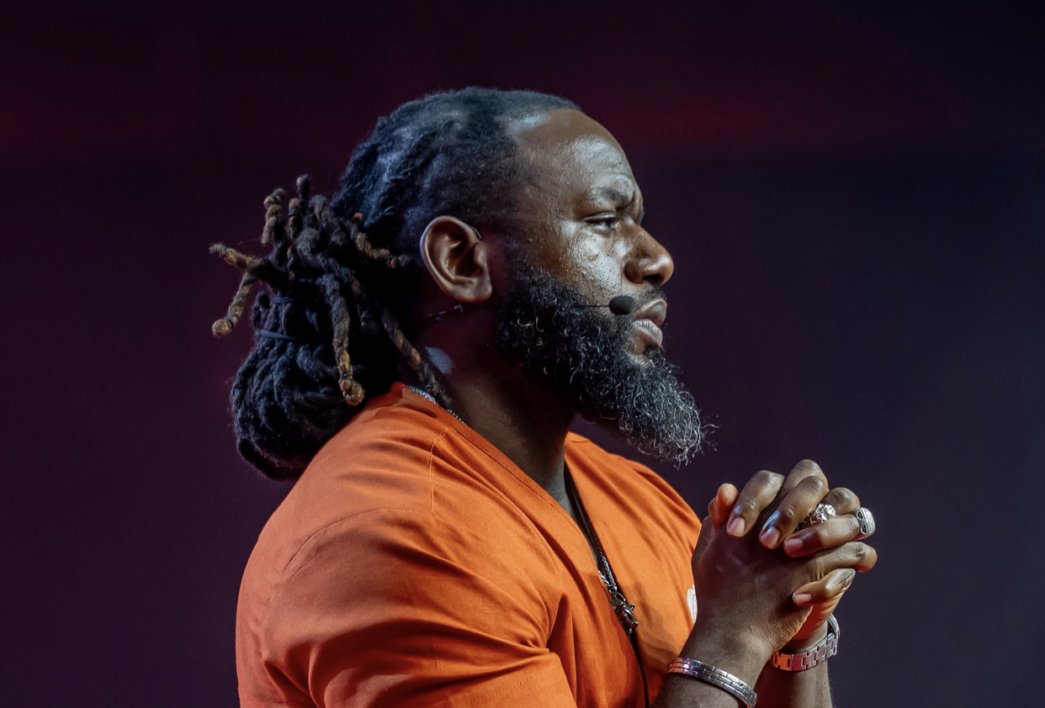
The Lagos State High Court has restrained Jimmy Odukoyafrom parading himself as the senior pastor and spiritual head of the Fountain of Life Church, following a legal challenge by the church’s board of trustees.
Justice O.O. Adewunmi-Oshin issued the order on Wednesday after hearing an application filed by the incorporated trustees of the church, who are seeking to prevent Jimmy from acting in the capacity of senior pastor.
The trustees told the court that Jimmy had ceased to occupy the position following the appointment of a successor by the church’s late founder, Pastor Taiwo Odukoya, who died in 2023.
In their application, the trustees sought an injunction to prevent Jimmy, either personally or through representatives, from interfering in the church’s administration and activities while the legal process continues.
According to reports, part of the order read: “A Pre-emptive Order of Injunction restraining the Respondent, whether acting personally or through any proxies in any alleged capacity as the Senior Pastor of the Church from interfering, disrupting, meddling with and or obstructing the activities, governance and any other business of the Church pending the Applicant’s full compliance with the High Court of Lagos State (Expeditious Disposal of Civil Cases) Practice Directions No. 2 of 2019 on Pre-action Protocol.”
The court also granted the trustees permission to commence the action under the pre-action protocol provided for in the Lagos State High Court’s practice directions.
In his ruling, the judge said: “Leave is hereby granted to the Applicant to commence this action under the Pre-Action Protocol pursuant to Paragraph 4 of the High Court of Lagos State (Expeditious Disposal of Civil Cases) Practice Direction No. 2 of 2019.”
The court proceedings came a day after the church’s board of trustees announced Jimmy’s removal as senior pastor, alleging that his appointment did not reflect the succession arrangements made by his late father.
The board explained that its decision followed a review of the church’s constitution and instructions allegedly documented by Taiwo before his death.
According to the trustees, they recently uncovered a video recording made by the late founder in December 2021, in which he outlined his preferred succession arrangement.
They further claimed that the recording was not made available to the board before Jimmy’s appointment, which they subsequently described as wrongful.
Access to reliable suppliers, working capital, inventory management and technology are critical to helping Africa’s neighbourhood retailers build sustainable businesses, according to a new Boost Africa feature highlighting TradeDepot.
For millions of small retailers across Africa, keeping products on their shelves is only one part of running a successful business. Access to affordable goods may bring customers through the door, but sustainable growth requires much more than having products available for sale.
From limited working capital and inconsistent supplies to the time spent sourcing goods from multiple distributors, small business owners face challenges that affect their ability to serve customers, expand inventory and remain competitive.
Consider a neighbourhood shop owner who understands what customers want but cannot afford to purchase enough stock to meet demand. Another retailer may spend hours contacting different suppliers and negotiating purchases, leaving little time to focus on customers and other aspects of the business.
These challenges highlight why small retailers need more comprehensive support systems to grow.
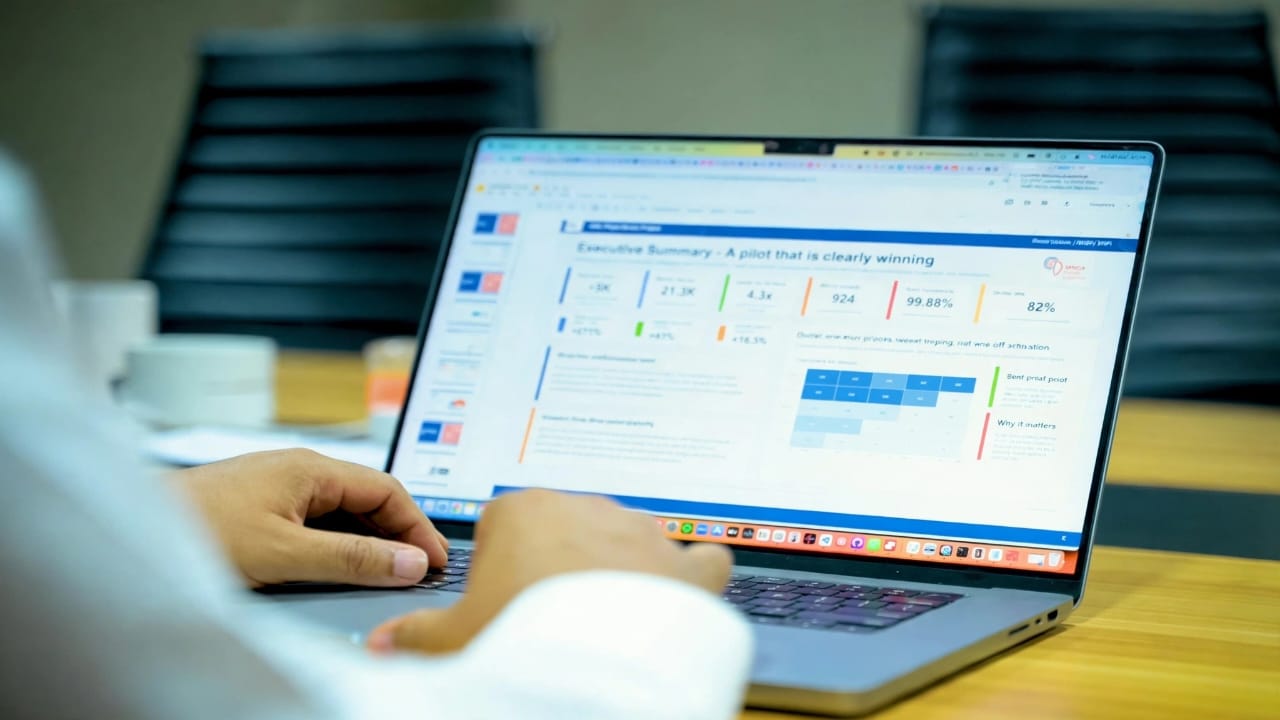
According to a feature by Boost Africa, sustainable retail growth depends on reliable access to suppliers, sufficient working capital, efficient operations and technology that helps business owners make informed decisions.
The initiative identifies several areas where small retailers need support, including access to products at competitive prices, inventory management, timely stock replenishment, financing and tools that reduce the cost and time involved in sourcing goods.
Technology is increasingly emerging as an important part of addressing these challenges.
Nigerian technology company TradeDepot is working to improve how small retailers access products by connecting them with manufacturers and distributors through its digital platform.
The company’s approach reflects a broader shift in retail distribution, moving beyond the supply of goods towards building an ecosystem that helps small businesses operate more efficiently.
Access to finance also remains a major part of this conversation.
Through Boost Africa, the European Investment Bank (EIB) invested €10 million in Partech Africa Fund, which subsequently backed TradeDepot.
The investment highlights how development finance and venture capital can support innovative African businesses working to address practical challenges across the continent.
Boost Africa supports investment in businesses developing solutions to economic and social challenges, with the potential to create wider opportunities for growth and development.
For neighbourhood retailers, the bigger issue is no longer just where to find products. It is how to access the finance, technology, supply networks and business support needed to turn small shops into sustainable enterprises.
As Africa’s retail sector continues to evolve, strengthening the businesses that serve communities every day could play an important role in building a more inclusive and efficient economy.
Watch the video: TradeDepot brings commerce closer to communities with Boost Africa.