Business
Ecobank Boss Advocates Synergy Among Super Brands to Solve Africa’s Problems


- /home/rhoncare/pointblank.ng/wp-content/plugins/mvp-social-buttons/mvp-social-buttons.php on line 27
https://pointblank.ng/wp-content/uploads/2021/10/IMG-20211002-WA0038-1000x580.jpg&description=Ecobank Boss Advocates Synergy Among Super Brands to Solve Africa’s Problems', 'pinterestShare', 'width=750,height=350'); return false;" title="Pin This Post">
- Share
- Tweet /home/rhoncare/pointblank.ng/wp-content/plugins/mvp-social-buttons/mvp-social-buttons.php on line 69
https://pointblank.ng/wp-content/uploads/2021/10/IMG-20211002-WA0038-1000x580.jpg&description=Ecobank Boss Advocates Synergy Among Super Brands to Solve Africa’s Problems', 'pinterestShare', 'width=750,height=350'); return false;" title="Pin This Post">
The Managing Director, Ecobank Nigeria, Patrick Akinwuntan has advocated a synergy between super brands in Africa to solve the multifarious challenges facing the continent. Akinwuntan, who made this submission at the International Advertising Association (IAA) Africa Rising 4 virtual conference, posited that recent happenings in the global arena such as covid 19 pandemic further reinforces the need for bigger brands on the continent to collaborate effectively to achieve sustainable solutions to challenges facing the continent.
According to him, “It is not just about digitization but understanding that life itself has deeper substance. What we have learnt in the past 18 months calls for common agenda for human race, an opportunity for collaboration to search for sustainable solutions to the myriad challenges facing the continent. This also reenforces the fact that until we are comfortable, no part of the globe is comfortable. This provides a completely new direction between developed worlds, developing worlds and whatever categorization that you want to bring to the table. With people having to stay at home because of the pandemic, we quickly saw that being disconnected from the economy fabric is much more dangerous than the health risk that we are trying to avoid from the social distancing and stay at home”.
On how Ecobank as an African Super Brand responded to the covid 19 pandemic, Mr. Akinwuntan noted that the bank’s success story in handling the outbreak and spread of Ebola disease in some parts of Africa came handing, adding that the bank’s investment in technology also paid off as it was able to provide financial services seamlessly to its customers in countries where the operates.
“We came out with strategies to ensure that small business and women enterprise leaders are able to learn to improve their capacity and source for labor without physical contact and able to access market without physical contact and be able to be financially strong without having to physically visit distant locations. For the small businesses, it is enabling them to have faith in themselves to be able to see that tomorrow has a brighter future. The covid-19 pandemic was a leveler and therefore everyone felt the impact. For a brand like Ecobank, we needed to demonstrate our ability to reach everyone at the same time. First is knowledge, people need to know, is this circumstance unique to my country, or to my own livelihood? if it is not, what has worked for other people and how have we leveraged it. That is quite a lot of learning that we focused on. We actually partnered with NEPAD and brought about leveraging on technology and capacity building for the small and medium scale business.”
Aligning with Akinwuntan’s submission, another speaker at the session, Group Executive for Marketing, MTN, Bernice Samuels said it was imperative super brands in Africa have a common platform to address and offer solutions to challenges facing the continent. The captivating session was moderated by Robyn Curnow, Anchor & Host of CNN Newsroom
Earlier in his welcome address, World President and Chairman, IAA, Joel Nettey said the 2-day virtual conference with the theme: ‘Africa To The World’ is aimed at projecting African brands to the world and bringing together the best on the continent to discuss trends and key developments. According to him, “as the most influential network of industry leaders with a broad spectrum of expertise, we help brands grow, strengthen, and forge new paths around the world through meaningful relationships with consumers. We use our thought leadership, initiatives in education and development, and world-class events to help our members navigate through the ever-changing worlds of business and technology. We are delighted to be able to put together this conference in such trying times to add value and bring together those who shape the industry’s future. The African continent is endowed with vibrancy, creativity, culture, its people, and strong brands weaving coherently into what makes the engines of economies move.”
The International Advertising Association’s (IAA) Africa Rising for Leadership Conference 2021 is first IAA virtual conference and it is congregating speakers and participants from across the globe – Nigeria, Kenya, south Africa, USA, Italy, Russia, Malaysia and several other leading countries where IAA has presence.


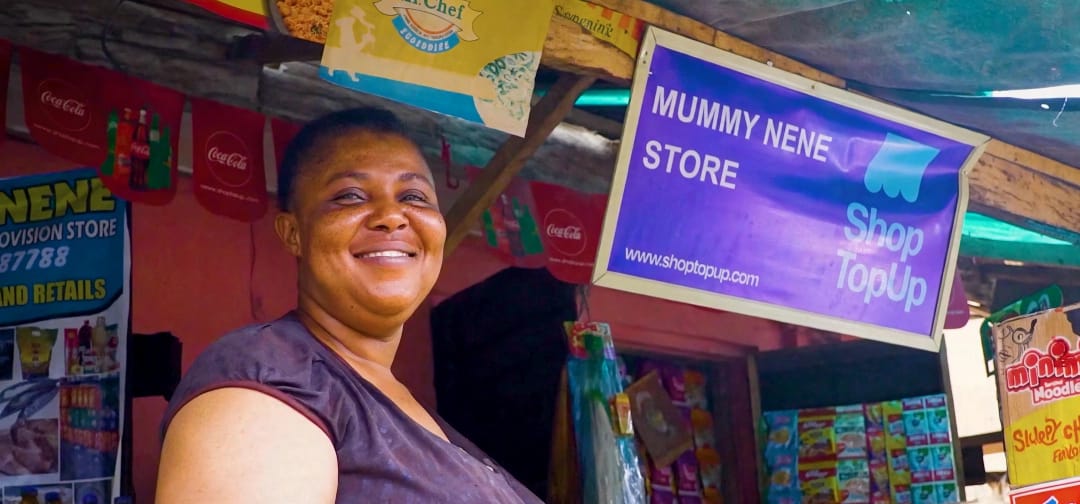
While conversations about the future of retail increasingly focus on supermarkets, shopping malls and online shopping platforms, millions of African consumers continue to rely on a more familiar and accessible business: the neighbourhood shop.
From small provision stores and corner shops to kiosks and informal retailers, these businesses remain an important part of everyday commerce, connecting communities to essential household products. However, behind their convenience lies a supply chain challenge that often limits their growth.
For many small retailers, sourcing products, managing inventory and securing enough working capital to keep their shelves stocked can be difficult. Fragmented distribution networks, multiple intermediaries and limited access to financing often make it harder for them to compete and expand.
Technology is beginning to offer a different possibility.
Digital platforms can simplify the way neighbourhood retailers purchase goods by connecting them more directly with manufacturers and distributors. They can streamline ordering, improve product availability and make inventory management more efficient.
Access to financial technology can further strengthen these businesses by helping eligible retailers secure the working capital required to replenish stock, respond to customer demand and grow sustainably.
One Nigerian technology company working to address these challenges is TradeDepot, which is using digital innovation to connect small retailers with manufacturers and distributors.
By making product sourcing and distribution more efficient, the company is helping to address some of the longstanding barriers facing small businesses in Africa’s retail sector.
However, scaling technology-driven solutions across a fragmented retail market requires more than innovation. It also demands significant investment.
This is where development finance and venture capital become important.
Through Boost Africa, the European Investment Bank (EIB) invested in Partech Africa Fund, a venture capital fund that subsequently backed TradeDepot. The investment illustrates how development finance can reach innovative African businesses through investment funds, providing capital to companies working to solve real economic challenges.
Boost Africa is a joint initiative of the European Investment Bank and the African Development Bank, with support from the European Union. The initiative supports African businesses and strengthens the continent’s entrepreneurial ecosystem by improving access to finance and opportunities for growth.
The wider significance of this investment goes beyond the technology platform itself. Strengthening neighbourhood retailers can contribute to more efficient supply chains, support small business growth and improve access to everyday consumer goods across communities.
For Africa, where small retailers remain central to local economies, the opportunity is substantial.
The future of retail may not necessarily involve replacing traditional neighbourhood shops with large supermarkets or online marketplaces. Instead, it could depend on equipping these existing businesses with better technology, stronger distribution networks and improved access to finance.
Ultimately, transforming retail may begin with something as familiar as the shop around the corner.
Boost Africa: From Capital to Impact.
Watch how TradeDepot is bringing commerce closer to communities through technology and investment
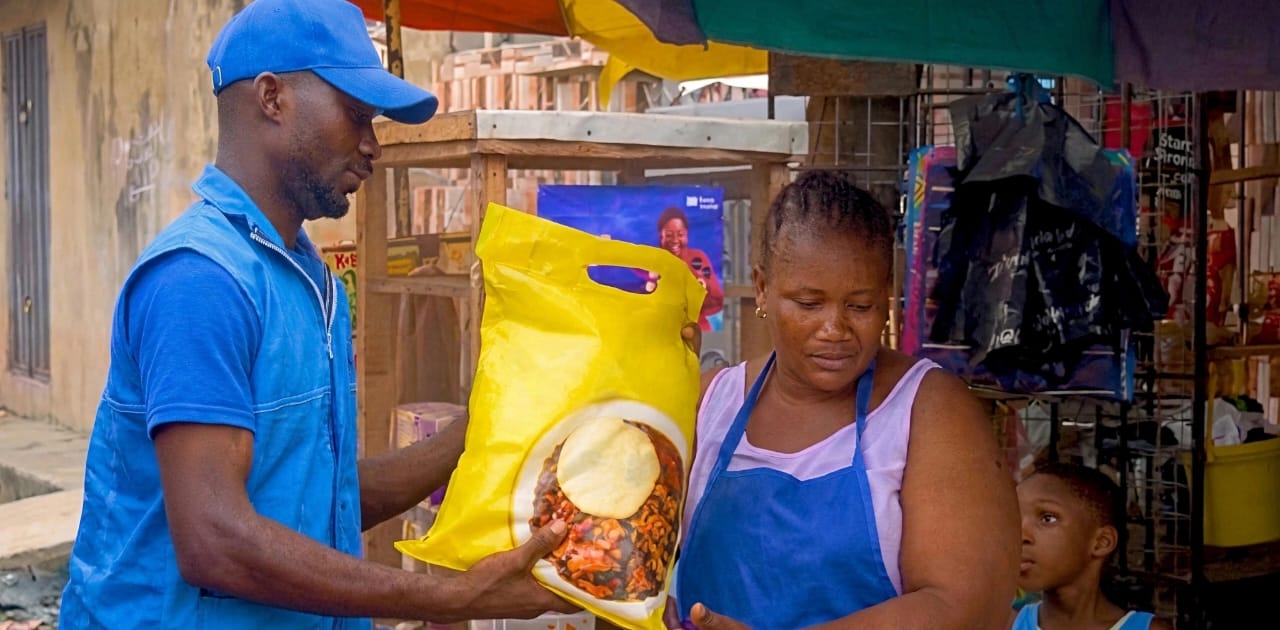
Ever wondered how the products on your neighbourhood shop shelves get there? Behind everyday purchases is a supply chain that can be costly, complex and inefficient, particularly for small retailers.
Nigerian technology company TradeDepot is changing this process by using technology to connect small retailers with manufacturers and distributors, making it easier for shop owners to order and receive the goods they need.
But transforming retail distribution takes more than an innovative idea. It requires investment to build, expand and scale.
Through Boost Africa, the European Investment Bank (EIB), alongside the African Development Bank and with support from the European Union, is helping strengthen the financing ecosystem for innovative African businesses.
One example is the EIB’s investment in Partech Africa Fund, which subsequently backed TradeDepot, helping channel capital into a Nigerian business working to improve how goods move from suppliers to neighbourhood shops.
The impact goes beyond technology. More efficient distribution can help small retailers access inventory, strengthen connections between manufacturers and suppliers, and bring commerce closer to the communities they serve.
Ultimately, TradeDepot’s story demonstrates how investment can go beyond funding to support stronger businesses, more efficient markets and opportunities for small retailers.
Boost Africa: From Capital to Impact.
Watch how TradeDepot is bringing commerce closer to communities.
▶ https://www.youtube.com/watch?v=zw9t2asF9Pc
Business
Beyond University Degrees: How ChipMango is Preparing African Engineers for Global Tech Industry
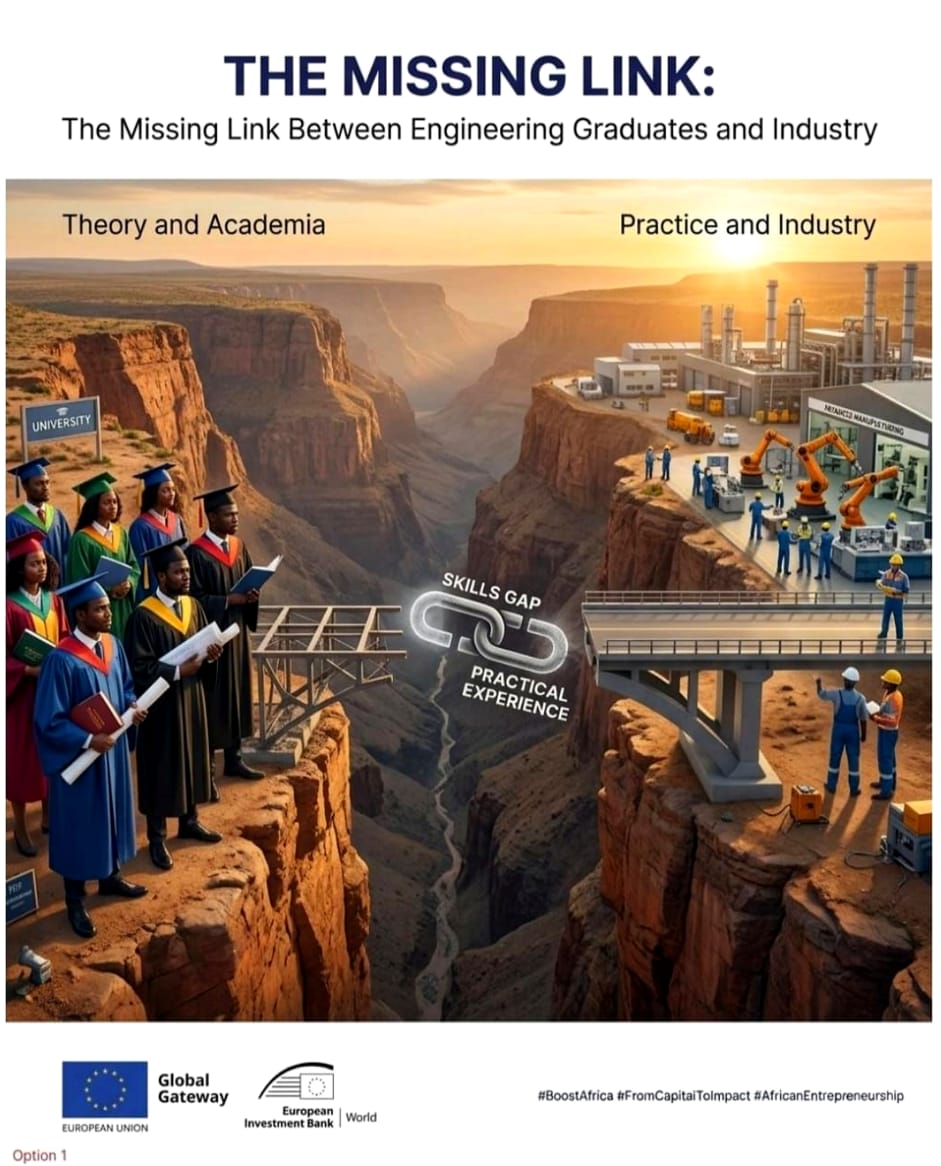
A university degree is a starting point, but practical industry experience can make all the difference.
Nigerian technology company ChipMango is bridging the gap through specialised semiconductor training and real-world chip design and verification projects, preparing African engineers for opportunities in the global technology industry.
Through Boost Africa, the EIB, AfDB and EU are strengthening the investment ecosystem supporting innovative African businesses.
Watch the video to discover how ChipMango is connecting engineering talent to real industry opportunities.
Watch the video: