Business
Ecobank, Ultima Studios Celebrate Budding Entrepreneurs As Lion’s Den Hits TV Screens

- /home/rhoncare/pointblank.ng/wp-content/plugins/mvp-social-buttons/mvp-social-buttons.php on line 27
https://pointblank.ng/wp-content/uploads/2021/01/Ecobank-Nigeria.jpg&description=Ecobank, Ultima Studios Celebrate Budding Entrepreneurs As Lion’s Den Hits TV Screens', 'pinterestShare', 'width=750,height=350'); return false;" title="Pin This Post">
- Share
- Tweet /home/rhoncare/pointblank.ng/wp-content/plugins/mvp-social-buttons/mvp-social-buttons.php on line 69
https://pointblank.ng/wp-content/uploads/2021/01/Ecobank-Nigeria.jpg&description=Ecobank, Ultima Studios Celebrate Budding Entrepreneurs As Lion’s Den Hits TV Screens', 'pinterestShare', 'width=750,height=350'); return false;" title="Pin This Post">
Starting from this Sunday, October 10th, bold and passionate entrepreneurs will be given the chance to pitch their businesses or ideas in the Lions’ Den, the world’s biggest business reality show debuting in Nigeria. The business reality TV show is coming from the stable of Ultima Limited, the studios who brought Who Wants To Be a Millionaire and Project Fame West Africa, with the support of Ecobank Nigeria. The reality show will be showing every Sunday at 7pm on AfricaMagic Family, Channels 154 on DSTV and GOTV Channel 2; with repeat broadcasts on Wednesdays at 3pm and on Fridays at 5pm on Africanmagic Urban, DSTV Channel 153. Viewers will have the opportunity to watch over 100 budding entrepreneurs from different industries pitch their businesses for an investment of a lifetime.
The Lions’ Den, also known as Dragons’ Den and Shark Tank in the UK and USA respectively, is acclaimed the world’s number one business reality television show. The Nigerian version, just like others will see the entrepreneurs pitch bold new ideas and inventions to five millionaires (also known as the Lions) who are searching for credible and promising investments and business ideas to fund. The Lions include: Kyari Bukar, Co-Founder and Managing Partner of Trans-Sahara Investment Corporation; Paul Onwuanibe, Group Chief Executive Officer and Founder of the Landmark Group; Adenike Ogunlesi, Founder and Creative Director, Ruff “N” Tumble; Dan Ngerem, Chairman, Hensen Trust Group; and Bolaji Balogun, CEO Chapel Hill Denham.
The entrepreneurs must convince one or more of the investors to back their business ideas or they fail. They will need to prove themselves with hard facts and figures, and answer the investors’ probing questions. If the investors are impressed by any pitch, they negotiate aggressively to own the biggest possible share in the venture in exchange for cash. The show is captivating; especially when the investors start contending with each other to be the sole investor in promising ventures.
Patrick Akinwuntan, Managing Director, Ecobank Nigeria, who commended Ultima Studios for bringing the Lion’s Den franchise to Nigeria, says he is optimistic that the show would attract the right target audience including Small and Medium Enterprises (SMEs) seeking seed or expansion capital, aspiring entrepreneurs, and young graduates with bright business ideas.
He explained that Ecobank’s decision to be the Lead Sponsor of the reality TV show is in line with its commitment to support entrepreneurs who have good business ideas but need to raise funds for advancement. He maintained that the TV show has a proven track record of appealing to both male and female audiences across the globe.
The Lions’ Den is the world’s number one business reality show, adapted in over 30 countries worldwide. It is being packaged and produced in Nigeria by Ultima Limited, a leading reality television programmes producer in West Africa. It is a spinoff of the popular ‘Dragons Den’ and ‘Shark Tank’ in the UK and US respectively.


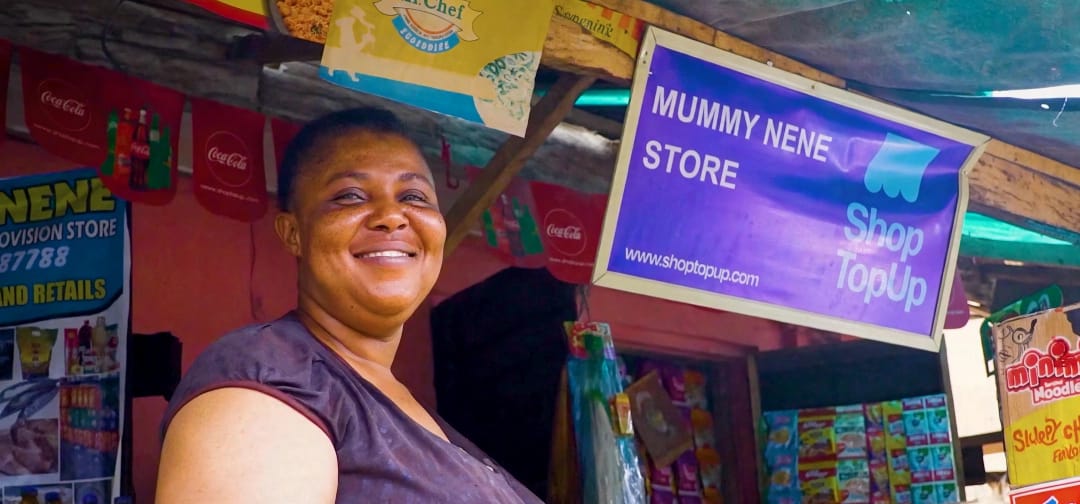
While conversations about the future of retail increasingly focus on supermarkets, shopping malls and online shopping platforms, millions of African consumers continue to rely on a more familiar and accessible business: the neighbourhood shop.
From small provision stores and corner shops to kiosks and informal retailers, these businesses remain an important part of everyday commerce, connecting communities to essential household products. However, behind their convenience lies a supply chain challenge that often limits their growth.
For many small retailers, sourcing products, managing inventory and securing enough working capital to keep their shelves stocked can be difficult. Fragmented distribution networks, multiple intermediaries and limited access to financing often make it harder for them to compete and expand.
Technology is beginning to offer a different possibility.
Digital platforms can simplify the way neighbourhood retailers purchase goods by connecting them more directly with manufacturers and distributors. They can streamline ordering, improve product availability and make inventory management more efficient.
Access to financial technology can further strengthen these businesses by helping eligible retailers secure the working capital required to replenish stock, respond to customer demand and grow sustainably.
One Nigerian technology company working to address these challenges is TradeDepot, which is using digital innovation to connect small retailers with manufacturers and distributors.
By making product sourcing and distribution more efficient, the company is helping to address some of the longstanding barriers facing small businesses in Africa’s retail sector.
However, scaling technology-driven solutions across a fragmented retail market requires more than innovation. It also demands significant investment.
This is where development finance and venture capital become important.
Through Boost Africa, the European Investment Bank (EIB) invested in Partech Africa Fund, a venture capital fund that subsequently backed TradeDepot. The investment illustrates how development finance can reach innovative African businesses through investment funds, providing capital to companies working to solve real economic challenges.
Boost Africa is a joint initiative of the European Investment Bank and the African Development Bank, with support from the European Union. The initiative supports African businesses and strengthens the continent’s entrepreneurial ecosystem by improving access to finance and opportunities for growth.
The wider significance of this investment goes beyond the technology platform itself. Strengthening neighbourhood retailers can contribute to more efficient supply chains, support small business growth and improve access to everyday consumer goods across communities.
For Africa, where small retailers remain central to local economies, the opportunity is substantial.
The future of retail may not necessarily involve replacing traditional neighbourhood shops with large supermarkets or online marketplaces. Instead, it could depend on equipping these existing businesses with better technology, stronger distribution networks and improved access to finance.
Ultimately, transforming retail may begin with something as familiar as the shop around the corner.
Boost Africa: From Capital to Impact.
Watch how TradeDepot is bringing commerce closer to communities through technology and investment
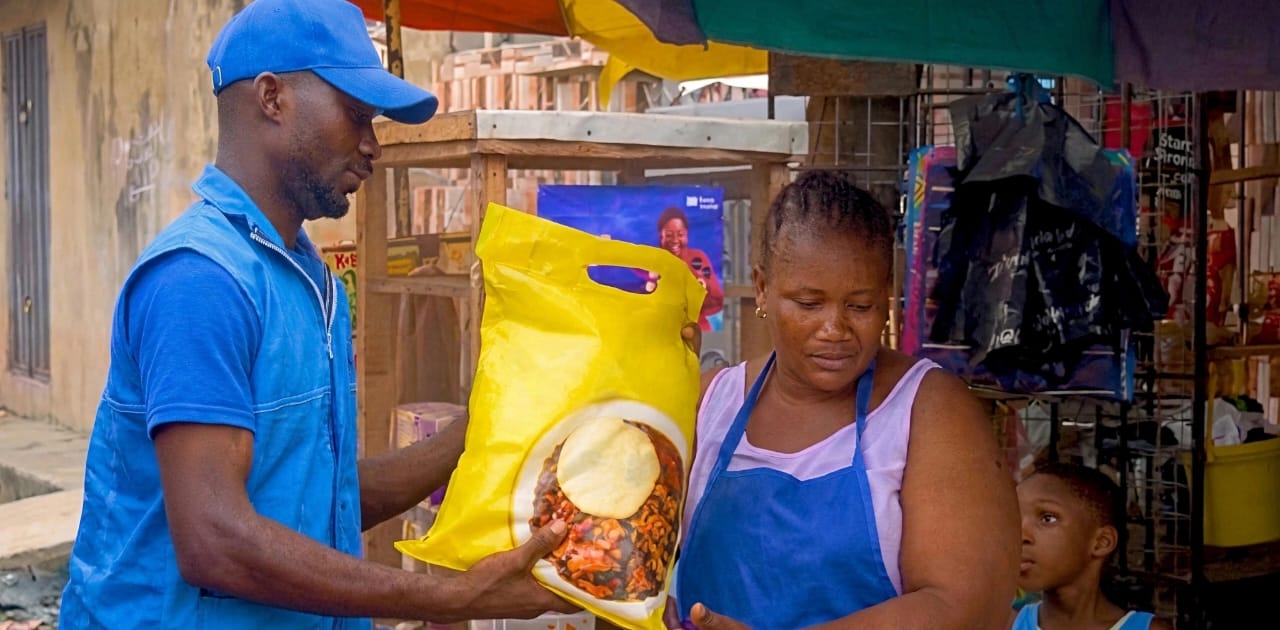
Ever wondered how the products on your neighbourhood shop shelves get there? Behind everyday purchases is a supply chain that can be costly, complex and inefficient, particularly for small retailers.
Nigerian technology company TradeDepot is changing this process by using technology to connect small retailers with manufacturers and distributors, making it easier for shop owners to order and receive the goods they need.
But transforming retail distribution takes more than an innovative idea. It requires investment to build, expand and scale.
Through Boost Africa, the European Investment Bank (EIB), alongside the African Development Bank and with support from the European Union, is helping strengthen the financing ecosystem for innovative African businesses.
One example is the EIB’s investment in Partech Africa Fund, which subsequently backed TradeDepot, helping channel capital into a Nigerian business working to improve how goods move from suppliers to neighbourhood shops.
The impact goes beyond technology. More efficient distribution can help small retailers access inventory, strengthen connections between manufacturers and suppliers, and bring commerce closer to the communities they serve.
Ultimately, TradeDepot’s story demonstrates how investment can go beyond funding to support stronger businesses, more efficient markets and opportunities for small retailers.
Boost Africa: From Capital to Impact.
Watch how TradeDepot is bringing commerce closer to communities.
▶ https://www.youtube.com/watch?v=zw9t2asF9Pc
Business
Beyond University Degrees: How ChipMango is Preparing African Engineers for Global Tech Industry
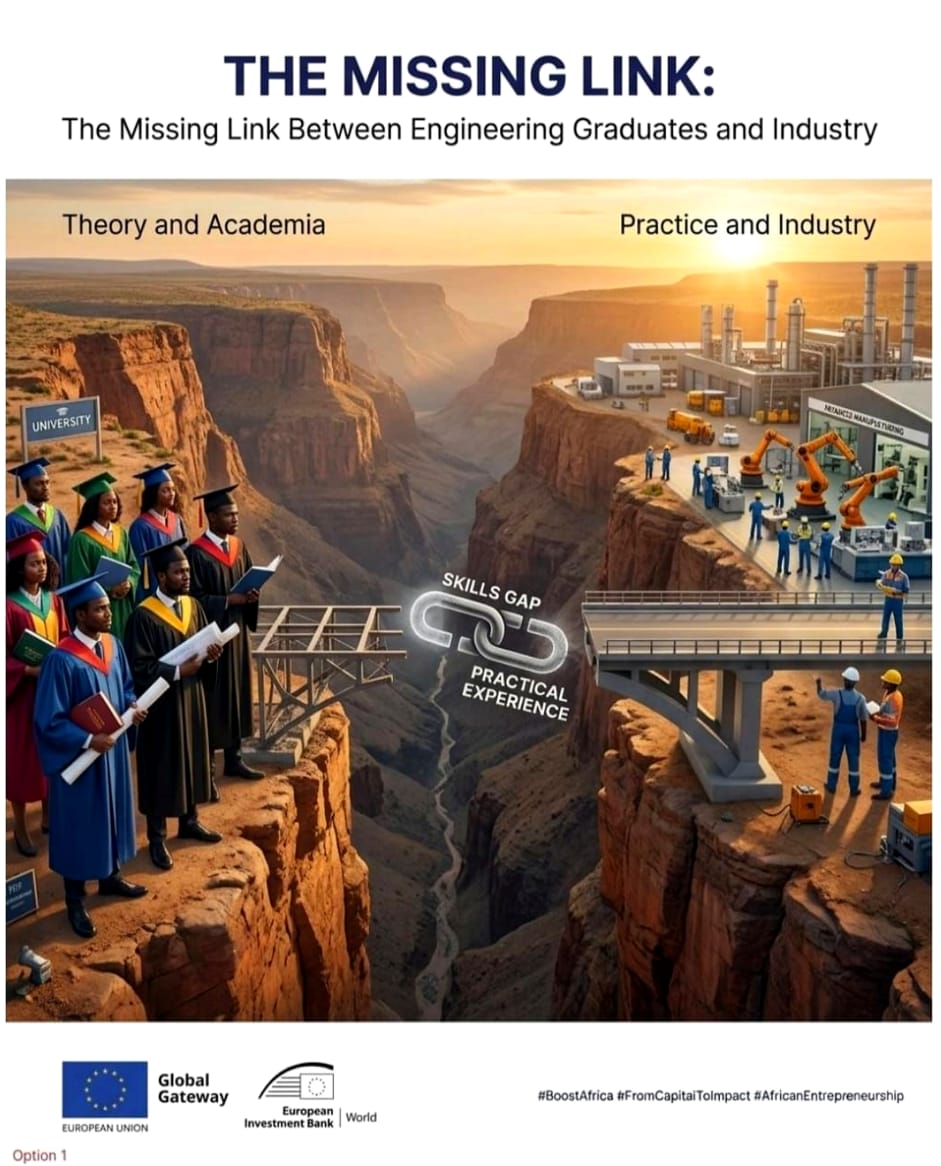
A university degree is a starting point, but practical industry experience can make all the difference.
Nigerian technology company ChipMango is bridging the gap through specialised semiconductor training and real-world chip design and verification projects, preparing African engineers for opportunities in the global technology industry.
Through Boost Africa, the EIB, AfDB and EU are strengthening the investment ecosystem supporting innovative African businesses.
Watch the video to discover how ChipMango is connecting engineering talent to real industry opportunities.
Watch the video: