Business
External Reserves Plunges by $1.23bn in 29 Days, Sinks to $43.67bn


- /home/rhoncare/pointblank.ng/wp-content/plugins/mvp-social-buttons/mvp-social-buttons.php on line 27
https://pointblank.ng/wp-content/uploads/2019/09/Dollars-960x600.jpg&description=External Reserves Plunges by $1.23bn in 29 Days, Sinks to $43.67bn', 'pinterestShare', 'width=750,height=350'); return false;" title="Pin This Post">
- Share
- Tweet /home/rhoncare/pointblank.ng/wp-content/plugins/mvp-social-buttons/mvp-social-buttons.php on line 69
https://pointblank.ng/wp-content/uploads/2019/09/Dollars-960x600.jpg&description=External Reserves Plunges by $1.23bn in 29 Days, Sinks to $43.67bn', 'pinterestShare', 'width=750,height=350'); return false;" title="Pin This Post">
The nation’s foreign exchange reserves have dropped to a five-month low of $43.67bn, losing $1.23bn in 29 days, latest data obtained from the Central Bank of Nigeria on Sunday showed.
The external reserves, which rose to a high of $45.18bn on June 10, 2019 from $43.17bn on January 1, dropped to $44.90bn on July 31.
One of the core mandates of the CBN is to manage the forex reserves, which are assets held on reserve in foreign currencies.
As of August 29, the reserves stood at $43.67bn, the lowest level since March 22, according to CBN data.
The central bank receives foreign exchange inflows from crude oil sales and other sources of revenue on behalf of the Federal Government.
“Such proceeds are purchased by the bank and the naira equivalent credited to the Federation account. These proceeds are shared each month, in accordance with the constitution and the existing revenue sharing formula. The monetised foreign exchange, thus, belongs to the CBN. It is from this portion of the reserves that the bank conducts its monetary policy and defends the value of the naira,” the CBN said on its website.
The apex bank has recently moved to intensify restrictions on forex access for imports that were imposed in 2015 in a bid to conserve the nation’s foreign reserves.
The CBN said in July that it had restricted the sale of forex for the importation of milk from the Nigerian forex market. Last month, President Muhammadu Buhari disclosed that he had directed the CBN to stop providing forex for importation of food into the country.
The price of crude oil, Nigeria’s main foreign exchange earner, plummeted to its lowest point since the beginning of the year on August 7 as the United States-China trade war worries gripped the market
Brent crude, against which Nigeria’s oil is priced, fell by $2.60 to $56.34 on August 7, losing more than 20 per cent since hitting its 2019 peak in April. It stood at $59.25 per barrels as of 6.00pm Nigerian time.
The 2019 budget is based on oil production of 2.3 million barrels per day (including condensates) with an oil benchmark price of $60 per barrel.
FSDH Research, an arm of FSDH Merchant Bank Limited, said in a recent report that the drop in crude oil prices might have negative impacts on revenue and other key prices in Nigeria, adding that the decrease in the external reserves might be attributed to lower crude oil prices and lower foreign portfolio investment inflows.
A global credit rating agency, Fitch Ratings, said in an August 22, 2019 report, “The competing goals of preserving naira stability and supporting Nigeria’s fragile recovery are pushing the CBN towards increasingly complex policy measures, with a risk of aggravating external vulnerability or causing macroeconomic distortions.
“We expect the CBN to continue to pursue a combination of tight liquidity management, segmented exchange-rate markets, and foreign-exchange interventions and restrictions. It will be aided by ample international reserves of more than six months of expected 2019 current account payments, and a small current account surplus conditional (we estimate) on Brent prices averaging at least $60 a barrel.”
The Punch


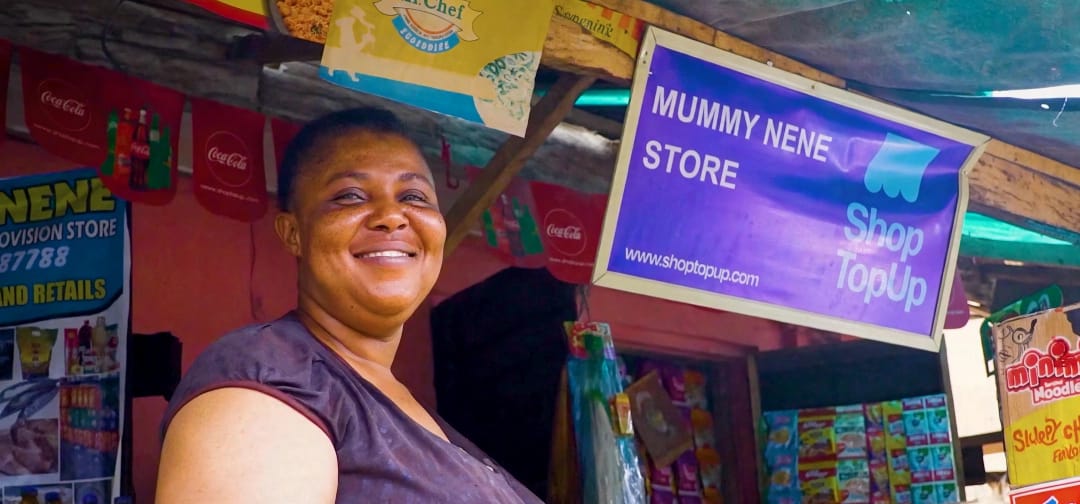
While conversations about the future of retail increasingly focus on supermarkets, shopping malls and online shopping platforms, millions of African consumers continue to rely on a more familiar and accessible business: the neighbourhood shop.
From small provision stores and corner shops to kiosks and informal retailers, these businesses remain an important part of everyday commerce, connecting communities to essential household products. However, behind their convenience lies a supply chain challenge that often limits their growth.
For many small retailers, sourcing products, managing inventory and securing enough working capital to keep their shelves stocked can be difficult. Fragmented distribution networks, multiple intermediaries and limited access to financing often make it harder for them to compete and expand.
Technology is beginning to offer a different possibility.
Digital platforms can simplify the way neighbourhood retailers purchase goods by connecting them more directly with manufacturers and distributors. They can streamline ordering, improve product availability and make inventory management more efficient.
Access to financial technology can further strengthen these businesses by helping eligible retailers secure the working capital required to replenish stock, respond to customer demand and grow sustainably.
One Nigerian technology company working to address these challenges is TradeDepot, which is using digital innovation to connect small retailers with manufacturers and distributors.
By making product sourcing and distribution more efficient, the company is helping to address some of the longstanding barriers facing small businesses in Africa’s retail sector.
However, scaling technology-driven solutions across a fragmented retail market requires more than innovation. It also demands significant investment.
This is where development finance and venture capital become important.
Through Boost Africa, the European Investment Bank (EIB) invested in Partech Africa Fund, a venture capital fund that subsequently backed TradeDepot. The investment illustrates how development finance can reach innovative African businesses through investment funds, providing capital to companies working to solve real economic challenges.
Boost Africa is a joint initiative of the European Investment Bank and the African Development Bank, with support from the European Union. The initiative supports African businesses and strengthens the continent’s entrepreneurial ecosystem by improving access to finance and opportunities for growth.
The wider significance of this investment goes beyond the technology platform itself. Strengthening neighbourhood retailers can contribute to more efficient supply chains, support small business growth and improve access to everyday consumer goods across communities.
For Africa, where small retailers remain central to local economies, the opportunity is substantial.
The future of retail may not necessarily involve replacing traditional neighbourhood shops with large supermarkets or online marketplaces. Instead, it could depend on equipping these existing businesses with better technology, stronger distribution networks and improved access to finance.
Ultimately, transforming retail may begin with something as familiar as the shop around the corner.
Boost Africa: From Capital to Impact.
Watch how TradeDepot is bringing commerce closer to communities through technology and investment
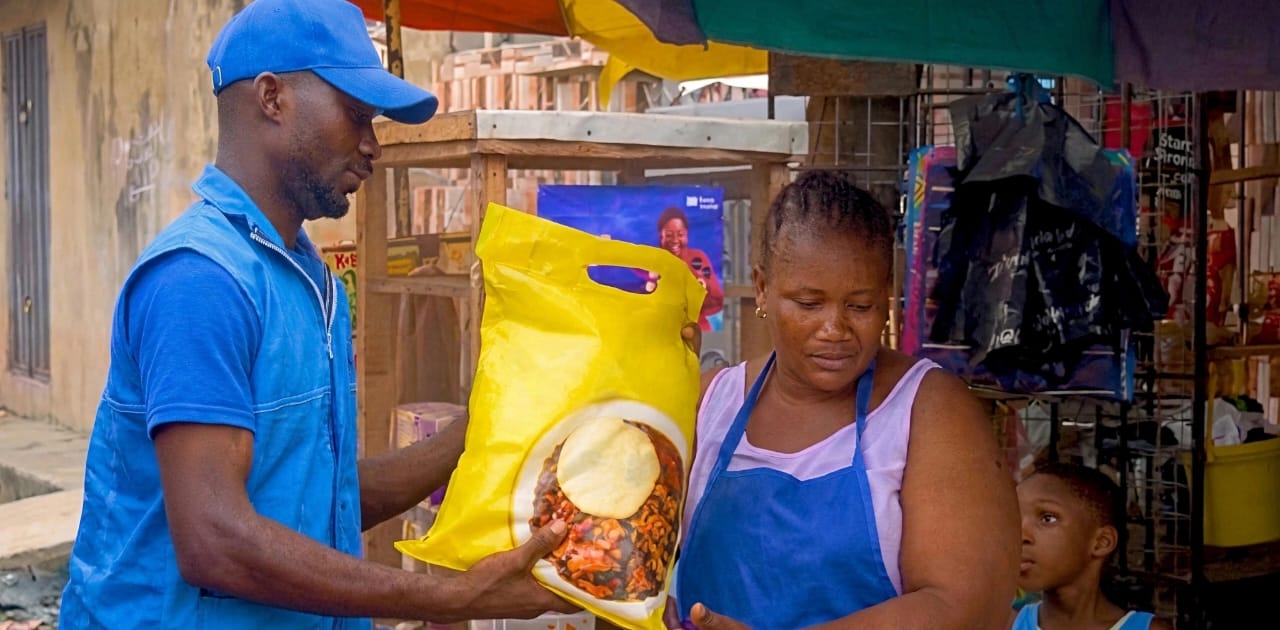
Ever wondered how the products on your neighbourhood shop shelves get there? Behind everyday purchases is a supply chain that can be costly, complex and inefficient, particularly for small retailers.
Nigerian technology company TradeDepot is changing this process by using technology to connect small retailers with manufacturers and distributors, making it easier for shop owners to order and receive the goods they need.
But transforming retail distribution takes more than an innovative idea. It requires investment to build, expand and scale.
Through Boost Africa, the European Investment Bank (EIB), alongside the African Development Bank and with support from the European Union, is helping strengthen the financing ecosystem for innovative African businesses.
One example is the EIB’s investment in Partech Africa Fund, which subsequently backed TradeDepot, helping channel capital into a Nigerian business working to improve how goods move from suppliers to neighbourhood shops.
The impact goes beyond technology. More efficient distribution can help small retailers access inventory, strengthen connections between manufacturers and suppliers, and bring commerce closer to the communities they serve.
Ultimately, TradeDepot’s story demonstrates how investment can go beyond funding to support stronger businesses, more efficient markets and opportunities for small retailers.
Boost Africa: From Capital to Impact.
Watch how TradeDepot is bringing commerce closer to communities.
▶ https://www.youtube.com/watch?v=zw9t2asF9Pc
Business
Beyond University Degrees: How ChipMango is Preparing African Engineers for Global Tech Industry

A university degree is a starting point, but practical industry experience can make all the difference.
Nigerian technology company ChipMango is bridging the gap through specialised semiconductor training and real-world chip design and verification projects, preparing African engineers for opportunities in the global technology industry.
Through Boost Africa, the EIB, AfDB and EU are strengthening the investment ecosystem supporting innovative African businesses.
Watch the video to discover how ChipMango is connecting engineering talent to real industry opportunities.
Watch the video: