Business
FirstBank Partners Proparco on Climate Performance


- /home/rhoncare/pointblank.ng/wp-content/plugins/mvp-social-buttons/mvp-social-buttons.php on line 27
https://pointblank.ng/wp-content/uploads/2024/05/Segun-Alebiosu-Ag.-CEO-FirstBank-1.jpg&description=FirstBank Partners Proparco on Climate Performance', 'pinterestShare', 'width=750,height=350'); return false;" title="Pin This Post">
- Share
- Tweet /home/rhoncare/pointblank.ng/wp-content/plugins/mvp-social-buttons/mvp-social-buttons.php on line 69
https://pointblank.ng/wp-content/uploads/2024/05/Segun-Alebiosu-Ag.-CEO-FirstBank-1.jpg&description=FirstBank Partners Proparco on Climate Performance', 'pinterestShare', 'width=750,height=350'); return false;" title="Pin This Post">
First Bank of Nigeria Limited, in partnership with Proparco, a Development Finance Institution is mainstreaming climate initiatives into its business operations and strategy. This is aimed at achieving a holistic integration of climate action on Greenhouse Gas (GHG) emissions reduction through an articulated strategic pathway to position the Bank as an African Climate Bank.
The 130-year-old financial institution is currently implementing a mechanism to calculate its operational emissions across all its branches and offices. This includes calculating data on electricity use, diesel use, water consumption, waste management approach, fuel consumption, business travels, etcetera to determine the Bank’s emission baseline and innovative opportunities for operational emissions reduction. FirstBank is developing the required capabilities and competencies by investing in its employees and the right infrastructure for integrating climate action in the Bank.
In a two-day partnership strategy workshop sessions with IPC and Valoris, consultants from Austria engaged by Proparco in the climate mainstreaming project, FirstBank’s climate journey across all areas of implementation was reviewed to determine progress and empower strategic departments across the Bank’s operations, including: the Credit Risk teams; Human Capital Management & Development (HCMD); FirstAcademy, the Bank’s learning institute; Corporate Banking; Personal Banking; SME Banking; Procurement; Branch Operations and General Services teams to deepen the understanding of climate risks in their processes.
The six workstreams for the implementation include: Identification of financed and avoided emissions to support reporting; supporting the measurement and analysis of operating emissions; integration of physical climate risk assessment; opportunity analysis; climate strategy and policy development; capacity building amongst staff to support strategy implementation.
Dr Martin Steindl, Managing Director, Valoris, Austria, said, “Amongst our various engagements with financial institutions on climate mainstreaming, FirstBank is the only organization that has been able to provide data both on the assets’ location of their portfolio and head offices of their clients. I am impressed with the progress we have collectively achieved.”
Reinforcing the Bank’s commitment to mainstreaming climate initiatives, the Ag. Chief Risk Officer, FirstBank, Patrick Akhidenor said ‘’FirstBank is intentional about redefining its climate footprint. We are identifying opportunities in climate finance to improve our portfolio and reduce the carbon emissions associated with our processes and operations. The Bank is executing a financed emissions calculation mechanism as well as creating climate finance opportunities, such as renewable energy and energy efficiency products for our customers.”
Nigeria has committed to reducing its GHG emissions to 20 percent by 2030 and net zero emissions by 2060. While this is ambitious, it sets the tone for businesses in Nigeria to at least support their GHG emissions reduction strategy with national plans and target. FirstBank is committed to achieving this goal and this is evident as the bank is a signatory to the Africa Business Leaders’ Climate Statement released in 2022 at COP 27 in Sharm El Sheikh, Egypt by the Africa Business Leaders Coalition (ABLC).


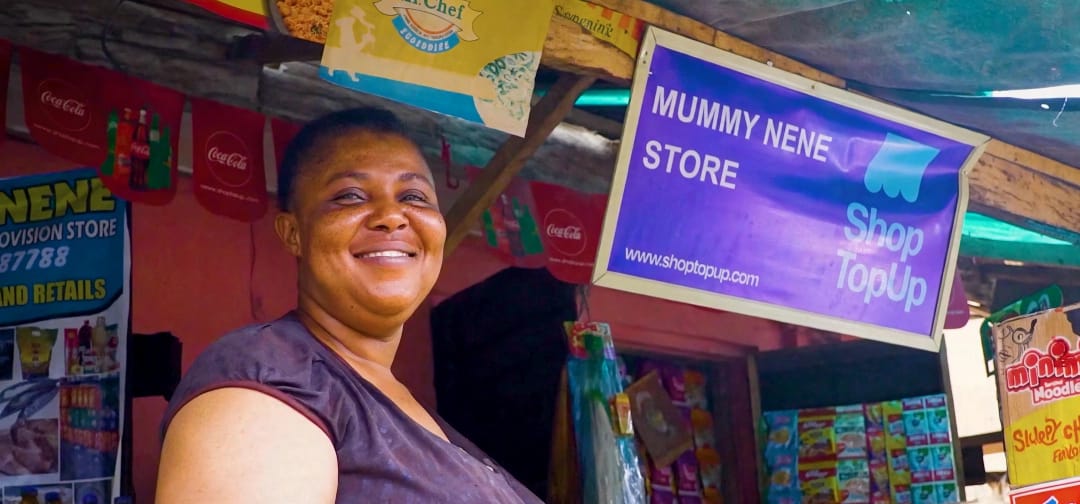
While conversations about the future of retail increasingly focus on supermarkets, shopping malls and online shopping platforms, millions of African consumers continue to rely on a more familiar and accessible business: the neighbourhood shop.
From small provision stores and corner shops to kiosks and informal retailers, these businesses remain an important part of everyday commerce, connecting communities to essential household products. However, behind their convenience lies a supply chain challenge that often limits their growth.
For many small retailers, sourcing products, managing inventory and securing enough working capital to keep their shelves stocked can be difficult. Fragmented distribution networks, multiple intermediaries and limited access to financing often make it harder for them to compete and expand.
Technology is beginning to offer a different possibility.
Digital platforms can simplify the way neighbourhood retailers purchase goods by connecting them more directly with manufacturers and distributors. They can streamline ordering, improve product availability and make inventory management more efficient.
Access to financial technology can further strengthen these businesses by helping eligible retailers secure the working capital required to replenish stock, respond to customer demand and grow sustainably.
One Nigerian technology company working to address these challenges is TradeDepot, which is using digital innovation to connect small retailers with manufacturers and distributors.
By making product sourcing and distribution more efficient, the company is helping to address some of the longstanding barriers facing small businesses in Africa’s retail sector.
However, scaling technology-driven solutions across a fragmented retail market requires more than innovation. It also demands significant investment.
This is where development finance and venture capital become important.
Through Boost Africa, the European Investment Bank (EIB) invested in Partech Africa Fund, a venture capital fund that subsequently backed TradeDepot. The investment illustrates how development finance can reach innovative African businesses through investment funds, providing capital to companies working to solve real economic challenges.
Boost Africa is a joint initiative of the European Investment Bank and the African Development Bank, with support from the European Union. The initiative supports African businesses and strengthens the continent’s entrepreneurial ecosystem by improving access to finance and opportunities for growth.
The wider significance of this investment goes beyond the technology platform itself. Strengthening neighbourhood retailers can contribute to more efficient supply chains, support small business growth and improve access to everyday consumer goods across communities.
For Africa, where small retailers remain central to local economies, the opportunity is substantial.
The future of retail may not necessarily involve replacing traditional neighbourhood shops with large supermarkets or online marketplaces. Instead, it could depend on equipping these existing businesses with better technology, stronger distribution networks and improved access to finance.
Ultimately, transforming retail may begin with something as familiar as the shop around the corner.
Boost Africa: From Capital to Impact.
Watch how TradeDepot is bringing commerce closer to communities through technology and investment
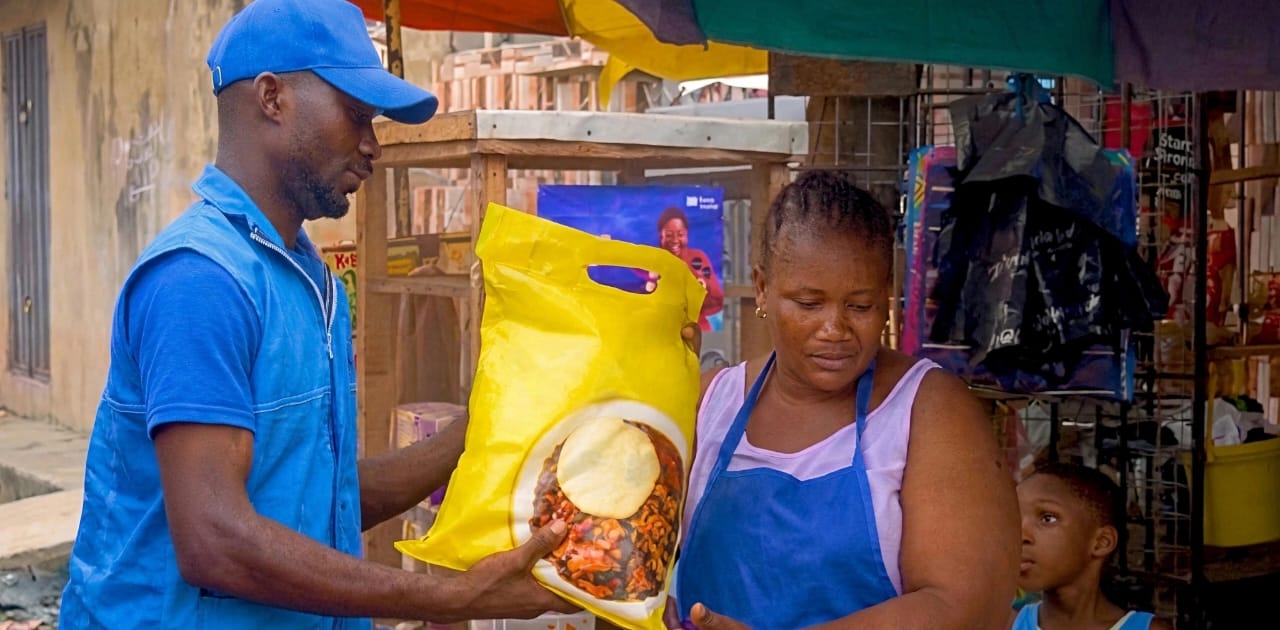
Ever wondered how the products on your neighbourhood shop shelves get there? Behind everyday purchases is a supply chain that can be costly, complex and inefficient, particularly for small retailers.
Nigerian technology company TradeDepot is changing this process by using technology to connect small retailers with manufacturers and distributors, making it easier for shop owners to order and receive the goods they need.
But transforming retail distribution takes more than an innovative idea. It requires investment to build, expand and scale.
Through Boost Africa, the European Investment Bank (EIB), alongside the African Development Bank and with support from the European Union, is helping strengthen the financing ecosystem for innovative African businesses.
One example is the EIB’s investment in Partech Africa Fund, which subsequently backed TradeDepot, helping channel capital into a Nigerian business working to improve how goods move from suppliers to neighbourhood shops.
The impact goes beyond technology. More efficient distribution can help small retailers access inventory, strengthen connections between manufacturers and suppliers, and bring commerce closer to the communities they serve.
Ultimately, TradeDepot’s story demonstrates how investment can go beyond funding to support stronger businesses, more efficient markets and opportunities for small retailers.
Boost Africa: From Capital to Impact.
Watch how TradeDepot is bringing commerce closer to communities.
▶ https://www.youtube.com/watch?v=zw9t2asF9Pc
Business
Beyond University Degrees: How ChipMango is Preparing African Engineers for Global Tech Industry
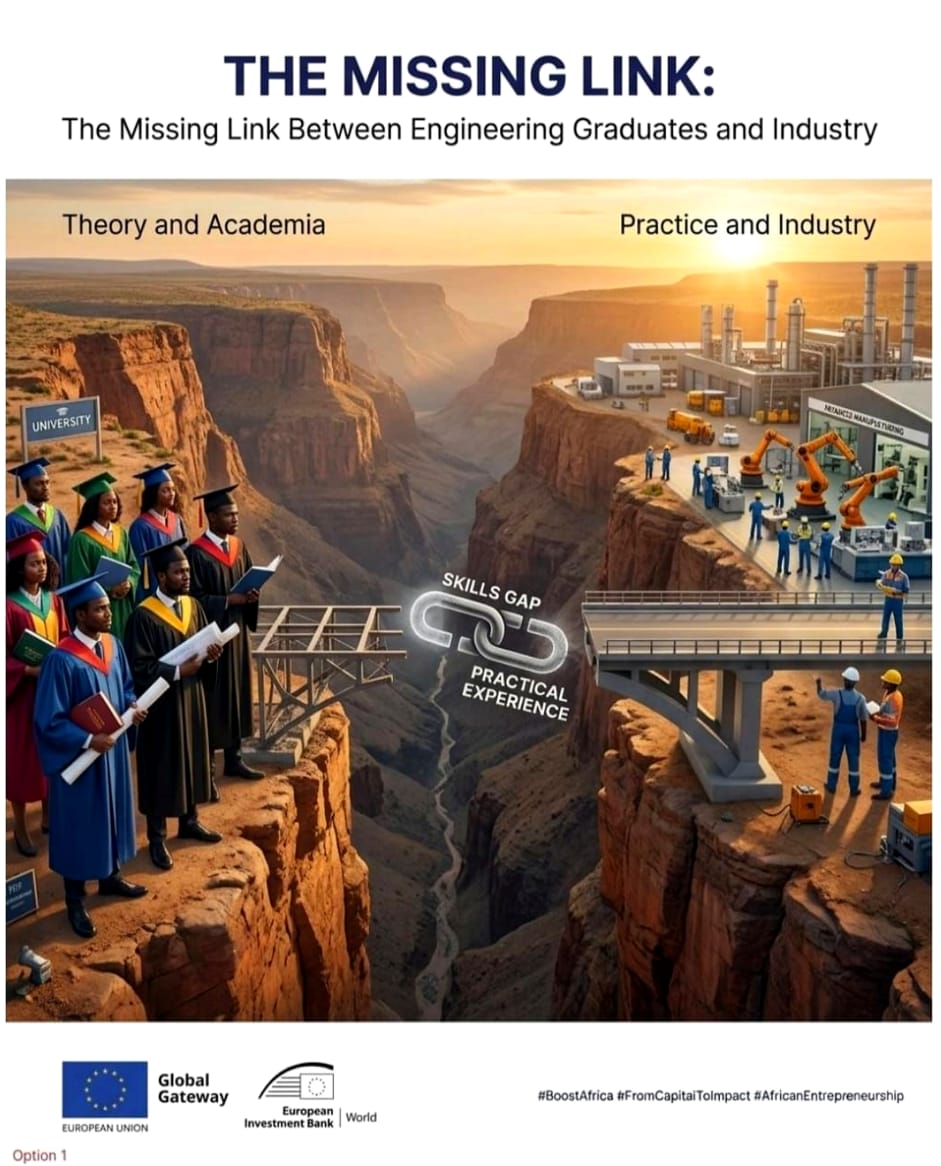
A university degree is a starting point, but practical industry experience can make all the difference.
Nigerian technology company ChipMango is bridging the gap through specialised semiconductor training and real-world chip design and verification projects, preparing African engineers for opportunities in the global technology industry.
Through Boost Africa, the EIB, AfDB and EU are strengthening the investment ecosystem supporting innovative African businesses.
Watch the video to discover how ChipMango is connecting engineering talent to real industry opportunities.
Watch the video: