
Personality in Focus
Man of Steeve: Aare Emmanuelking Shines at Remo Day Festival


- /home/rhoncare/pointblank.ng/wp-content/plugins/mvp-social-buttons/mvp-social-buttons.php on line 27
https://pointblank.ng/wp-content/uploads/2024/12/IMG-20241228-WA0022-1000x600.jpg&description=Man of Steeve: Aare Emmanuelking Shines at Remo Day Festival', 'pinterestShare', 'width=750,height=350'); return false;" title="Pin This Post">
- Share
- Tweet /home/rhoncare/pointblank.ng/wp-content/plugins/mvp-social-buttons/mvp-social-buttons.php on line 69
https://pointblank.ng/wp-content/uploads/2024/12/IMG-20241228-WA0022-1000x600.jpg&description=Man of Steeve: Aare Emmanuelking Shines at Remo Day Festival', 'pinterestShare', 'width=750,height=350'); return false;" title="Pin This Post">
The Gateway Stadium, Sagamu was aglow yesterday, the 27th of December, 2024, as the maiden edition of Remo Day culminated in a grand rally celebrating the unity, culture, and progress of Remoland.
Hosted by the revered Akarigbo of Remoland, the event brought together dignitaries from across the nation, including the Chief of Staff to the President of Nigeria, Hon Femi Gbajabiamila, the esteemed Governor of Ogun State, Prince Dapo Abiodun (MFR) and the first lady of the state, The Ewusi of Makun, HRH Oba Timothy Oyesola Akinsanya, ORUNAGBA II, Chairman of Adron Group and Otun Akile of Remoland Aare Adetola Emmanuelking, amongst others.
Aare Adetola Emmanuelking’s presence stood out in class as he brought unparalleled style, sophistication, and charm to the occasion. Dubbed the ” Remo Day Man of Steeze,” Aare Adetola made an unforgettable entrance, draped in an exquisite wine agbada adorned with intricate embroidery, accessorized with traditional coral beads, and crowned with a regal fila. His look, a masterclass in cultural elegance, radiated confidence and pride in Yoruba heritage, instantly earning him admiration from the gathered audience. Known for his charisma and commitment to the development of Remoland, Aare Adetola was the epitome of poise and grandeur as he engaged with other top dignitaries and attendees. From his interactions to his overall demeanor, every aspect of his presence reflected a deep connection to his roots, and an unyielding passion for community growth.
Communities from across Remoland including Epe, Makun, Iperu, Irolu, Emuren, Ogere, Ikenne, Ilara, Ode remo, Isara, Ipara, Ilishan, Soyindo, Ijagba, Ado, Ode lemo, Ibido, Idena, Ogijo, Atayo, Eposo, Idado, Latawa, Oko, Ipoji, Lowa ibu, Igbepa, Ijoku, Iraye, Ilupeju, Iraniken, Okeselu, Simawa, Ilaye, Iraye, Agura, Igode, Sotubo, Ariye , Araromi, Imushin, Imeji, Agbehinsa , and many more, converged at the Gateway Stadium to pay homage to the Akarigbo of Remoland, a revered symbol of unity and cultural pride. This act of respect and solidarity emphasized the deep-rooted connection between the people and their traditional ruler as they celebrated the remarkable growth and development of Remo. Among the many groups, Iyaniwura Base stood out under the distinguished leadership of Aare Adetola Emmanuelking. Following in his illustrious footsteps, the group brought a splash of vibrance to the event, dazzling attendees with their matching cultural attires that reflected the rich traditions of Remoland. Their coordinated elegance and enthusiastic homage added a memorable touch to the grand celebration.
The Remo Day celebration, themed “In Unity & Culture, We Thrive,” was more than a cultural showcase. It was a celebration of the strength and progress of Remoland, featuring colorful displays of traditional dance, drumming, and artwork. Amid the festivity, Aare Adetola’s magnetic personality and gallant appearance was a true highlight of the day. The Grand Rally provided a perfect backdrop for celebrating individuals who embody the spirit of Remo’s advancement. In Aare Adetola Emmanuelking, Remo found a true cultural icon, someone who not only lives the values of the community, but also inspires others to embrace and promote its legacy with pride and dignity.
The Remo Day celebrations may have concluded, but the image of Aare Adetola, standing tall in his resplendent attire, remains etched in the memories of attendees. Aare Adetola Olaonipekun Emmanuelking- a name synonymous with grace, culture, and unshakable pride in Remoland’s illustrious heritage. Indeed, the “Remo Day Man of Steeze” has set a standard that will resonate far beyond Remoland.



Ogunsan at 50: President Tinubu Hails LSSTF ES/CEO; Urge Him to ‘Sustain Dedication to Security, Progress of Lagos and Nigeria’
President Bola Tinubu has sent warm greetings to the Executive Secretary/CEO of the Lagos State Security Trust Fund (LSSTF) Dr. Ayodele Ogunsan, on the occasion of his 50th birthday on October 6, 2026.
In a statement released by the Special Adviser to the President (Information and Strategy), Bayo Onanuga, the President indicated acknowledged Dr. Ogunsan’s commitment to institution-building and promoting partnerships among government, the private sector, and other stakeholders to advance security and development.
Tinubu also commended the celebrant for his dedication to serving Lagos State and his contributions toward strengthening the security architecture, public safety, and public confidence through the Lagos State Security Trust Fund.
Before becoming the Executive Secretary/CEO, Dr. Ogunsan served on the Board of Trustees of the LSSTF. He has held other significant responsibilities in the security and community-safety space, including as Chairman of the Police Campaign Against Cultism and Other Vices (POCACOV), Lagos State, and Patron of the Police Community Relations Committee (PCRC).
The President noted that under Dr. Ogunsan’s leadership, the Trust Fund has continued to play an important role in supporting security agencies with critical equipment, infrastructure and other resources necessary to enhance their effectiveness in protecting lives and property.
“As you mark this significant milestone, I urge you to sustain your dedication to the security and progress of Lagos State and Nigeria. I wish you many more years of good health, wisdom and fulfilment, as well as continued success in your service to humanity and our nation,” the President charged.
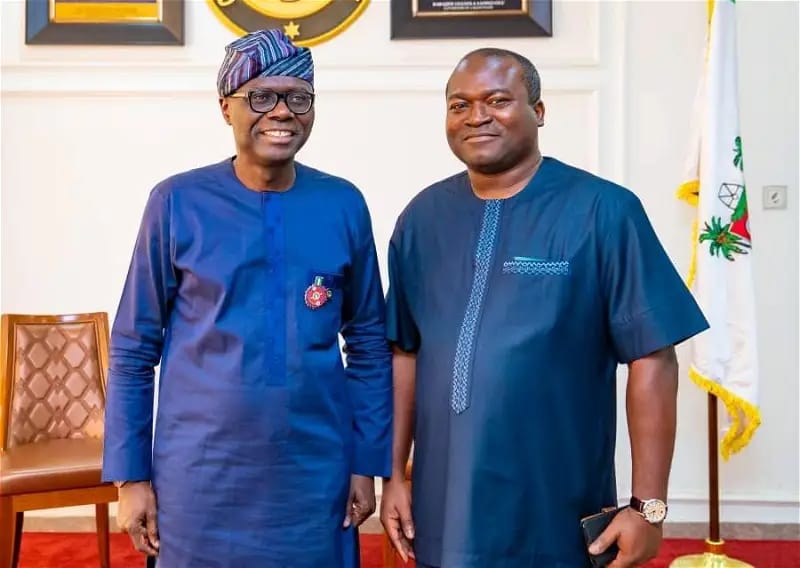
The Governor of Lagos State, Mr. Babajide Sanwo-Olu, has congratulated the Executive Secretary and Chief Executive Officer of the Lagos State Security Trust Fund (LSSTF), Dr. Ayodele Ogunsan, on his 50th birthday.
Governor Sanwo-Olu, in a statement issued on Monday by his Special Adviser on Media and Publicity, Mr Gboyega Akosile, described Ogunsan, an entrepreneur and security expert, as a seasoned administrator and a dedicated, passionate public official.
The Governor praised Ogunsan for his transformational leadership and dedication, which have significantly impacted the Lagos State Security Trust Fund (LSSTF) since he assumed office as Executive Secretary and Chief Executive Officer in October 2025.
He said: “On behalf of my family, the government, and the people of Lagos State, I congratulate the Executive Secretary and Chief Executive Officer of the Lagos State Security Trust Fund, Dr. Ayo Ogunsan, on his 50th birthday.
“Dr. Ogunsan is a seasoned administrator who has used his knowledge and experience to bring about transformation in the security sector through the Lagos State Security Trust Fund.
“I commend Dr. Ogunsan for his leadership and commitment in different capacities. He has contributed positively towards the improvement of security as Chairman of the Police Campaign Against Cultism and Other Vices (POCACOV) in Lagos State, Patron of the Police Community Relations Committee (PCRC), member of the Board of Trustees, and now Executive Secretary and Chief Executive Officer of LSSTF.
“As Dr Ayo Ogunsan celebrates his Golden Jubilee, I pray that the Almighty God continues to bestow upon him wisdom and knowledge to steer the ship of the Lagos State Security Trust Fund and render more service to humanity and our dear Lagos State.”
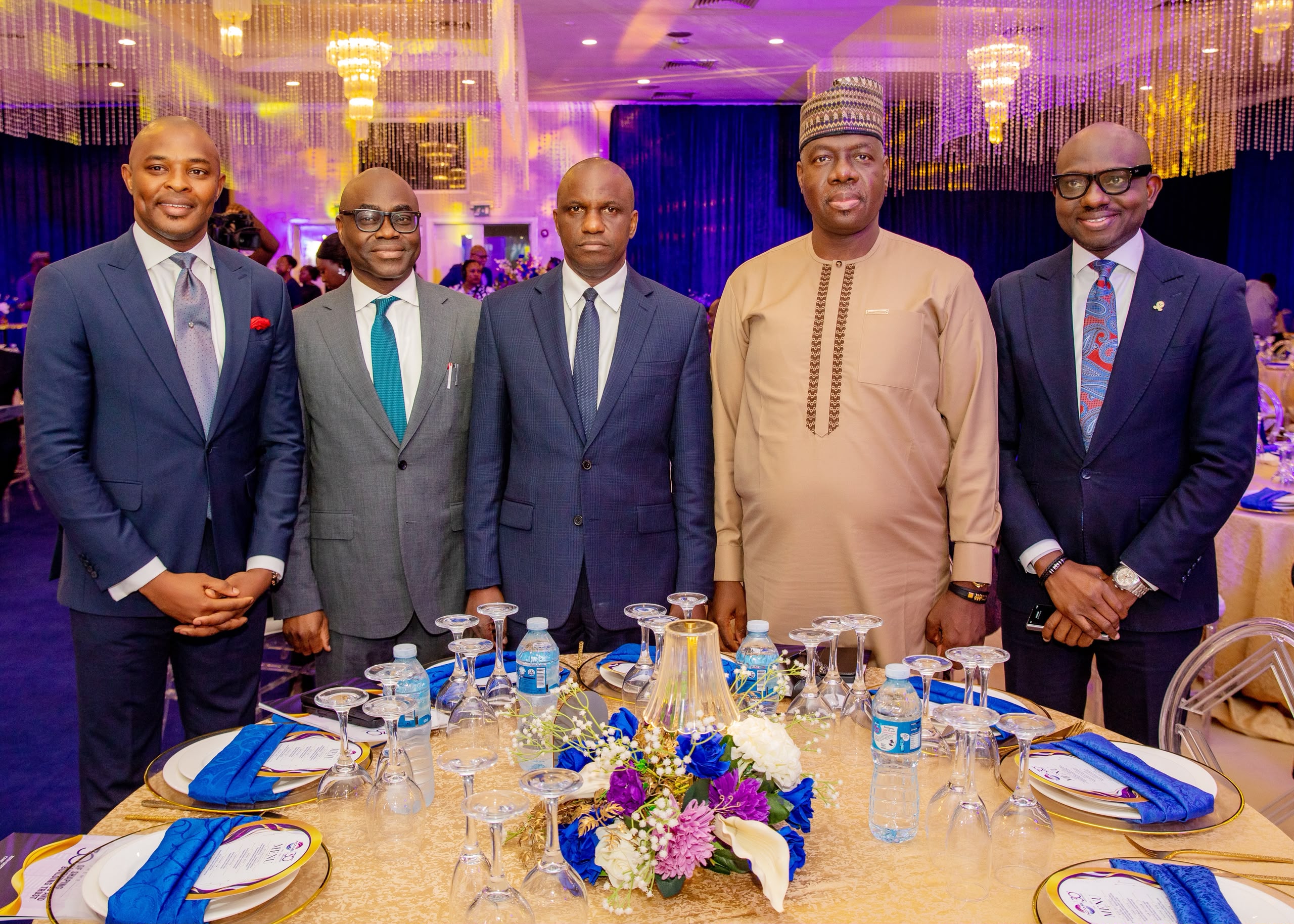
Association of Corporate Communication and Marketing Professionals in Banks (ACAMB) has marked 30 years of shaping narratives and building trust in Nigeria’s banking industry, with regulators and industry leaders calling on communication professionals to make credibility, clarity, Innovation and ethical conduct central to the future of financial services.
The association celebrated the milestone at an anniversary gala night in Lagos on September 30, 2026, bringing together, senior officials of the Central Bank of Nigeria (CBN), the Chartered Institute of Bankers of Nigeria (CIBN), the Nigeria Inter-Bank Settlement System (NIBSS), United Bank for Africa (UBA), Optimus Bank and industry leaders alongside communication and marketing heads, from banks across the country.
Speaking at the event, President of ACAMB, Jide Sipe, said, over three decades, the association has played and continued to play a critical role in helping banks communicate with the public, manage crises and protect institutional reputation.
“For 30 years, our members have stood between the banks and the public they serve. They explain policy, manage crises and protect reputations, often under intense pressure and in real time,” Sipe said.
“We have remained consistent, from gatekeepers to strategic drivers in actualising growth, positive brand perception, aligning business values to customer needs, customer satisfaction and loyalty”
All this have to great extent catalysed the growth trajectory of the financial sector and to that, we feel a sense of pride, worthy of celebration,
He said the association would continue to strengthen the capacity of its members as the communications profession evolves, with greater focus on artificial intelligence, data and digital media, as well as mentorship for young professionals entering the industry.
“Though the tools have changed since 1996, but the mandate remains same. We continue to earn trust, one credible message at a time, and we will guard it with the same discipline for the next 30 years and beyond,” he added.
While giving his address, Chairman of the occasion and 24th President of CIBN, Dele Alabi, described ACAMB’s 30-year journey as a testament to perseverance, professionalism and one that made far reaching impact the financial services industry should be proud of.
Alabi, who also commended Sipe’s leadership and recalled their years together at Ecobank Group, said ACAMB had helped strengthen communication, reputation and trust across the banking sector.
“Thirty years of shaping narratives and building trust reflects ACAMB’s critical role in strengthening communication, enhancing reputation and fostering trust across the financial services industry,” he said.
He urged communication professionals to embrace innovation without compromising ethics, in line with the CIBN’s IMPACT vision, which is built around inclusion, membership, professionalism and ethical conduct, accountability, competences & skills, and technology.
Representing the Deputy Governor of the CBN, Philip Ikeazor, the Acting Director, Corporate Communications and Investor Relations, Hakama Sidi Ali, said the banking industry was moving beyond stabilisation towards broader institutional transformation.
She challenged communication professionals to prioritise clarity over cleverness and to view customers as the ultimate test of the effectiveness and credibility of their communication.
“The credibility you carry into a crisis is built in quiet periods,” she said.
Delivering the keynote address, Managing Director/Chief Executive Officer of NIBSS, Premier Oiwoh, said the growth of digital banking had made trust even more critical, as financial services increasingly moved to mobile and digital platforms.
He noted that NIBSS had built Africa’s first mature instant payment system 15 years ago, adding that the evolution of digital banking had made trust a fundamental requirement for the continued growth of the financial system.
“Banking is all about trust. Without trust, banking cannot stand,” Oiwoh said.
Delivering a goodwill message on behalf of the Group Managing Director/CEO of UBA, Oliver Alawuba, the bank’s Group Head, Marketing and Corporate Communications, Alero Ladipo, commended ACAMB for creating a platform that brings communication professionals together across competing institutions.
“Thirty years is more than a milestone. It is evidence of relevance, resilience and the ability to evolve,” Ladipo said.
She noted that while banks compete in the market, communication professionals have a shared responsibility to strengthen confidence in the banking industry and maintain public trust in the financial system.
“Competition may separate us in the market, but there are moments when the industry must speak with a shared sense of responsibility,” she added.
Managing Director/CEO, Optimus Bank, Ademola Odeyemi, also commended ACAMB for it’s yeoman contributions over the years and shared vision, it has continued to effectively articulate on behalf of the banks, a feat that has helped the financial sector thrive collectively.
The anniversary celebration also featured networking sessions and recognition of professionals who have contributed to the growth of banking communication in Nigeria over the past three decades.


