
News
Obaseki Has No Rival, Says Wike, APC Kicks

- /home/rhoncare/pointblank.ng/wp-content/plugins/mvp-social-buttons/mvp-social-buttons.php on line 27
https://pointblank.ng/wp-content/uploads/2019/04/Wike-1000x600.jpg&description=Obaseki Has No Rival, Says Wike, APC Kicks', 'pinterestShare', 'width=750,height=350'); return false;" title="Pin This Post">
- Share
- Tweet /home/rhoncare/pointblank.ng/wp-content/plugins/mvp-social-buttons/mvp-social-buttons.php on line 69
https://pointblank.ng/wp-content/uploads/2019/04/Wike-1000x600.jpg&description=Obaseki Has No Rival, Says Wike, APC Kicks', 'pinterestShare', 'width=750,height=350'); return false;" title="Pin This Post">
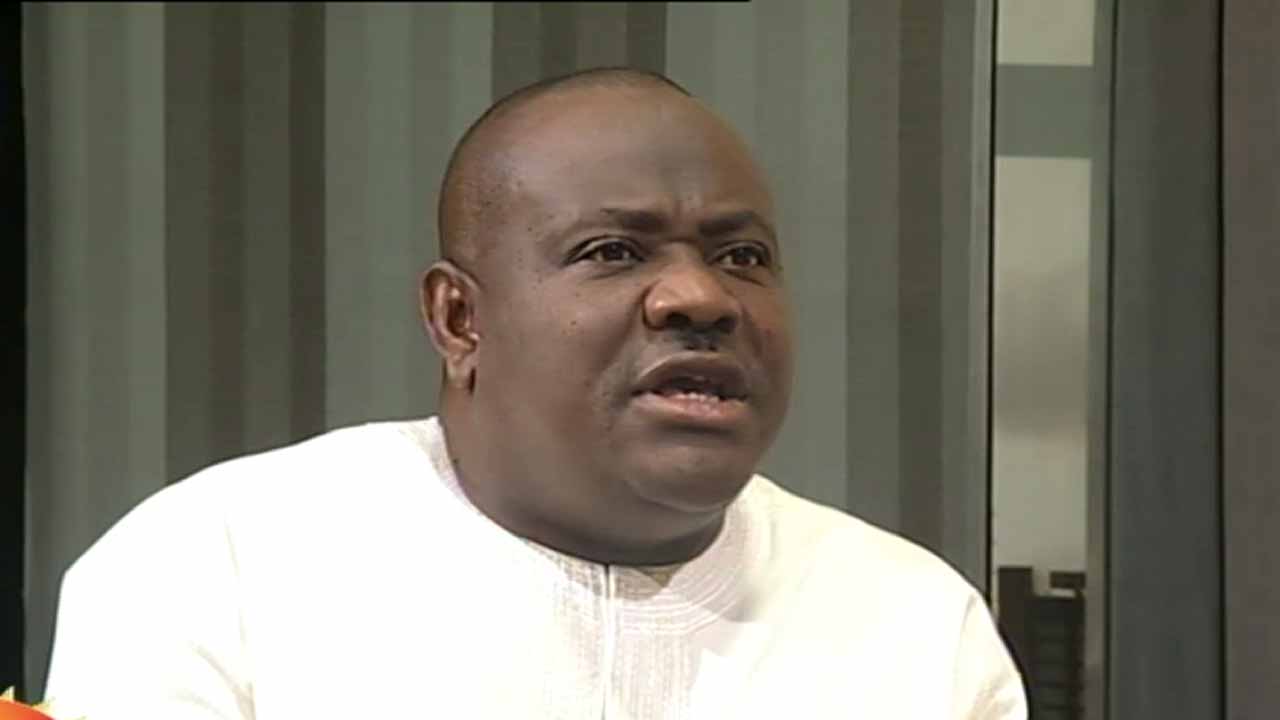
The Rivers State Governor, Nyesom Wike, has declared that his Edo State counterpart, Godwin Obaseki, who is the standard bearer of the Peoples Democratic Party in the forth coming governorship election does not have an opponent in the contest.
Wike was quoted to have said this in a statement on Wednesday by the State Commissioner for Information and Communications, Paulinus Nsirim, while speaking on a live television programme in Port Harcourt, on Wednesday.
He said, “Adams Oshiomhole told Edo people that Ize-Iyamu (Edo APC governorship candidate) was rusticated from school; that he poured acid on a fellow student that destroyed his manhood.
“Adams Oshiomole’s sudden U-turn is a great insult on Edo people. This is an opportunity for Edo people, both at home and in the Diaspora, to use their votes to tell Oshiomole they cannot take his lies anymore.
“From all indications, it is obvious that there is no strong opposition against Obaseki and he will win convincingly.”
But in its reaction, the All Progressives Congress in Edo State alleged that Wike and Obaseki were planing to unleash violence and disrupt the September 19 election.
In a statement on Wednesday titled, Wike, Obaseki violent, bloodthirsty, the spokesman of the Edo State APC Campaign Council, Mr John Mayaki, said the PDP allegedly intends to mar the election.
He said, “According to reliable data sourced from Peace Map, political violence in Rivers State steadily increased beginning in January 2015, peaking in the lead-up and aftermath of the April gubernatorial elections and this was due largely to the violent attitude of Nyesom Wike, who once infamously attended a campaign event wielding a machete.
“In Edo State, we have seen the same trait. There is a persistent problem in the violent, dishonest, and generally deplorable conduct of the rejected PDP, which poses a great threat to the peaceful conduct of the September 19 election.”


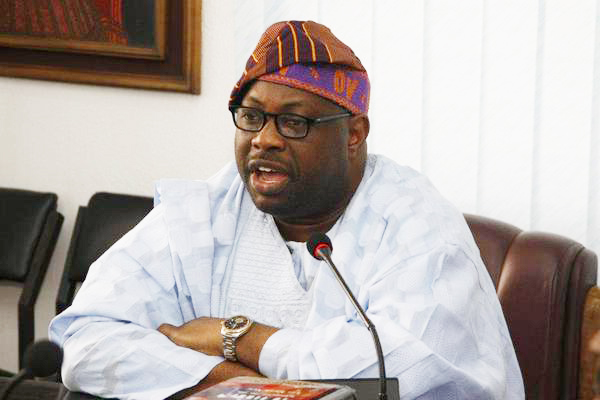
Accomplished media entrepreneur and chieftain of the African Democratic Congress (ADC), Chief Dele Momodu, has said that nobody trusts President Bola Tinubu to conduct a free and fair election, including the President’s own supporters.
Momodu also noted that there is a belief that if the President does not win in 2027, he will not want to relinquish power.
He added that if Tinubu refuses to step down, he would be chased out of the Presidential Villa.
Momodu made the revelations while speaking on Arise News Prime Time belt.
“If you ask an average Nigerian today about Tinubu, ‘Do you trust Tinubu to conduct a free and fair election?’ I can tell you, 90 per cent of them will say no.
“Look, nobody trusts Tinubu to run a free and fair election, including his own supporters. They will tell you, ‘Oh, we are going to win. There is no way we won’t win.’ Ask them why, and they will say, ‘Oh, you know our oga now.’
“In fact, some people are even suggesting that if Tinubu loses the election, he will not agree to step down. I say, why won’t he agree? We will chase him away.
“Look, you do not know the determination of Nigerians. And now, I’m not resting my confidence on just my party. I’m talking about the ordinary man on the street who cannot imagine Tinubu coming back again. They just can’t.
“I can’t tell you our strategy in public. What we know is that, once upon a time, Tinubu fought for himself to secure a second term as governor of Lagos State.
“So, others are also working very hard behind the scenes. We are not going to come out in public and say this, but we know what to do to make sure that he does not get that second term. We also know that some of the people pretending to support him today—and I’m not trying to trivialise this thing.
“I know some of them. They are praying fervently that they will not have to go through this situation where governors become like houseboys. Governors are scared. Judges are scared. Legislators are scared.
“So, Tinubu has become a god whom nobody is ready to confront and say, ‘Oga, you’ve done your best. Please, go home.’”
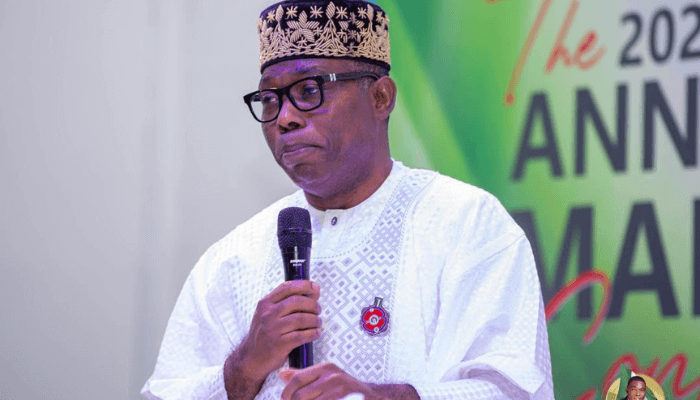
The Social Democratic Party (SDP) presidential candidate, Prince Adewole Adebayo, has urged President Bola Tinubu to go home and let Nigeria breathe.
Adebayo said this in a statement in Abuja on Wednesday.
He was responding to the President’s plan to excuse himself from the rigors of physical campaigns in some states ahead of the presidential polls.
Tinubu spoke at the inauguration of the APC Presidential Campaign Council in Abuja, urging members to take the party’s message to Nigerians across the states and local government areas while he continues to attend to matters of governance.
In response, Adebayo argued that, if Tinubu is too tired to campaign, he is too weak to govern.
In a statement signed by his Presidential Campaign’s Chief Communications Adviser, Comrade Mark Adebayo, the SDP standard bearer described Tinubu as a “president in absentia” at a time Nigeria needs hands-on leadership.
Adebayo said: “Nigeria is too complex, too dynamic, and currently too distressed to be governed by remote control.”
He cited what he called repeated instances of the President governing from a distance, including prolonged medical vacations disguised as working visits, absence during national emergencies and reliance on proxies to announce State policies.
Adebayo further said: “We have seen repeated instances when the President was visibly missing when the country needed reassurance.
“From unannounced foreign trips during critical economic decisions to his complete silence during widespread regional protests, he has consistently acted like a president in absentia. If you are too tired to campaign, you are too weak to govern.”
Adebayo alleged that the decision to stay off the campaign trail was not about strategy but fear.
“The excuse of bowing out of the 2027 campaign is a cowardly smokescreen. The truth is that the President is terrified of the Nigerian people,” he argued.
According to him, the administration’s economic policies – fuel subsidy removal fallout, skyrocketing inflation and currency instability -have made the President unpopular.
“He knows the pain his bad policies have inflicted on families. He is hiding because he cannot face public anger, and he knows any appearance on a campaign trail will be met with collective booing of a betrayed populace.”
Adebayo also said: “It is time to face reality: step aside, go home, and let this country breathe.”
He called on the administration to prioritise national interest over political survival and be transparent about the President’s capacity to lead for the remainder of his term.
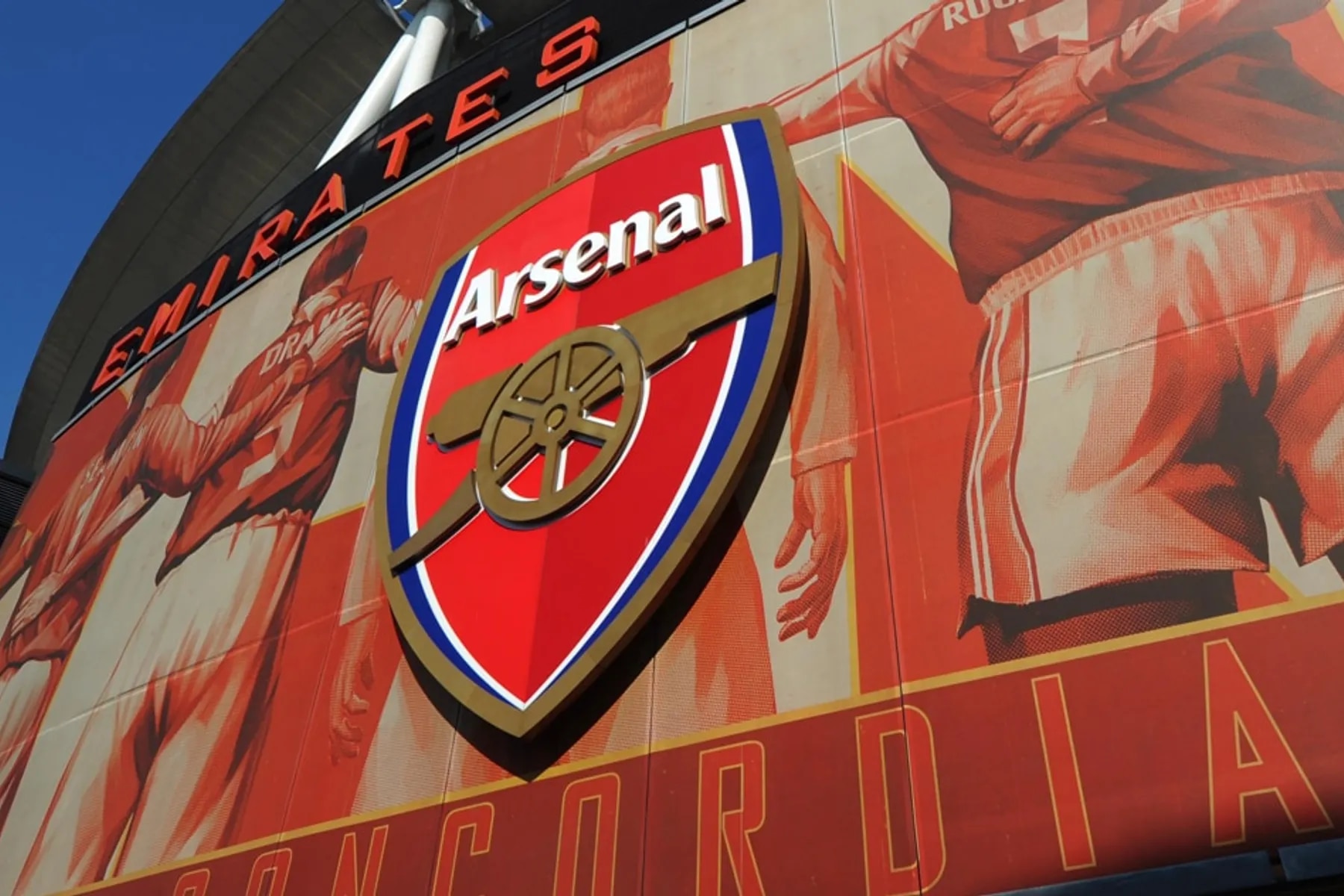
Arsenal Fans Club Nigeria is set to be officially unveiled in Abuja this weekend, as the organisation prepares to strengthen the club’s fan base and promote community development through football.
Amongst the high profile personalities lined up for the unveiling ceremony include, business leaders, celebrities and notable Arsenal supporters like former Gunner, Kanu Nwankwo, former Senate President Bukola Saraki, Emir Sanusi Lamido Sanusi, Senator Dino Melaye amongst others.
The unveiling will form part of a two-day programme beginning on Friday, October 16, with delegates from state and city chapters expected to converge on the nation’s capital for the club’s second Annual General Meeting (AGM).
According to a press release issued on Monday by the organisation, the celebrations will feature sporting activities, a community sanitation initiative and a formal launch event attended by prominent personalities and Arsenal supporters.
National President of Arsenal Fans Club Nigeria, Charles Ojugbana, said the organisation draws inspiration from the achievements of Nigerian-descent footballers, including former Super Eagles striker Kanu Nwankwo and current stars Bukayo Saka, Noni Madueke and Eberechi Eze.
The former General Secretary of the Nigeria Football Association (NFA) said the club aims to improve the football fan experience while expanding support for Arsenal across Nigeria.
Activities scheduled for Saturday include aerobic sessions and a novelty football match before members proceed to Wuse Market for a clean-up campaign.
As part of the outreach, the club plans to donate refuse bins and other sanitation materials to the market’s leadership, in line with its commitment to philanthropy and community development.
Arsenal Fans Club Nigeria operates through a governance structure comprising a Board of Trustees, a National Executive Committee and a General Assembly, which serves as the organisation’s highest decision-making body.
The club also disclosed plans to promote awareness of Down syndrome among children in March 2027, as part of activities to commemorate World Down Syndrome Day.
The programme expresses the organisation’s ambition to extend its activities beyond football fandom to charitable causes and support for vulnerable members of the society.


