
Metro
Police Welfare: IGP Egbetokun Commissions 10 Mobile Medical Clinics in Lagos


- /home/rhoncare/pointblank.ng/wp-content/plugins/mvp-social-buttons/mvp-social-buttons.php on line 27
https://pointblank.ng/wp-content/uploads/2024/12/IMG-20241220-WA0124-1000x600.jpg&description=Police Welfare: IGP Egbetokun Commissions 10 Mobile Medical Clinics in Lagos', 'pinterestShare', 'width=750,height=350'); return false;" title="Pin This Post">
- Share
- Tweet /home/rhoncare/pointblank.ng/wp-content/plugins/mvp-social-buttons/mvp-social-buttons.php on line 69
https://pointblank.ng/wp-content/uploads/2024/12/IMG-20241220-WA0124-1000x600.jpg&description=Police Welfare: IGP Egbetokun Commissions 10 Mobile Medical Clinics in Lagos', 'pinterestShare', 'width=750,height=350'); return false;" title="Pin This Post">
The Inspector-General of Police, Kayode Egbetokun, represented by the Deputy Inspector-General, Training and Development, DIG Frank Mbah, has commissioned and officially handed over 10 state-of-the-art mobile medical clinics to the Nigerian Police Force.
The clinics, designed to improve the welfare and well-being of police officers, recruits, and trainers, were handed over at a well attended ceremony held at the Police Centtal Stores in Ikeja, Lagos State, and witnessed by the National Association of Online Security News Publishers (NAOSNP).

The event, according to Police authorities, is part of an ongoing Police Reform project generously funded by the Government of the Republic of Germany and implemented by the United Nations Development Programme (UNDP) in collaboration with GS-Foundation, who were physically represented at the event by their very senior officials.
Speaking at the event, the Ambassador of the Federal Republic of Germany to Nigeria, Annett Günther, remarked: “This handover exemplifies Germany’s commitment to supporting Nigeria’s police force in its journey towards modernization and improved welfare standards. By addressing the healthcare needs of police personnel, we are investing in the stability and security of communities across Nigeria.”

Ms. Elsie Attafuah, Resident Representative of the United Nations Development Programme stated: “These clinics are a testament to the power of partnership in delivering sustainable development. At UNDP, we believe that the well-being of individuals forms the bedrock of effective institutions. This initiative underscores our dedication to equipping the Nigeria Police Force with the tools and resources necessary for meaningful police services.”
Arno Langanke (retired Commissioner of Police, German) representative of Global Security-Sector-Reform Foundation Global Security-Sector-Reform Foundation stated: “The mobile container clinics we are officially handing over today are a product of an intense procurement process, that GS-Foundation was committed to. We are delighted that these clinics can now find their final destinations at the preselected police training schools to benefit both the NPF and the local population at the respective locations. We are confident that this project will provide a significant contribution to improving healthcare and emergency care in police training schools and surrounding communities.”
In his keynote address, the IG, speaking through DIG Mba, noted that his administration will continue to see to the wellbeing of officers and men of the Force, stressing that a lot more is still in the offing for the Police under his command.
“These landmark contribution reaffirms our vision and shared commitment to a Police Force that is professionally competent, service-driven, and fully aligned with the principles of the rule of law. These mobile clinics symbolize more than just healthcare assets; they represent a significant advancement in the NPF’s Health Policy, prioritizing the mental and physical well-being of our officers. The impact of this reform project therefore extends beyond policing; it contributes to broader goals of human security, economic growth, and national development,” he said.
He further noted that “The mobile clinics, equipped with solar power systems, advanced medical equipment, furniture, patient beds, and other essential resources for full functionality, will be stationed at various Police Training Institutions nationwide. These facilities aim to ensure that officers and recruits have access to quality medical care as a way of prioritising their health and well-being as they undergo rigorous training.
“This initiative follows a comprehensive needs assessment conducted in 2022, during which the project team evaluated the conditions of NPF training institutions. The findings highlighted critical gaps in infrastructure and the urgent need for investments to make these facilities fit-for-purpose. In response, these solar-powered mobile clinics were developed as a tangible step toward addressing these needs.”
The Police Reform project has seen significant milestones in its efforts to enhance police capacity and welfare. In September 2023, the initiative successfully delivered a 2,000-capacity mobile barracks to the Nigeria Police Force, addressing critical accommodation challenges for officers on field deployment exercises across the country.
The handover represents another step forward in ensuring that police officers and recruits operate in an environment that supports their health, safety, and productivity, just as the facilities reflect the commitment of all partners involved to strengthening the NPF through targeted investments in infrastructure and welfare.
The event was graced by presence of serving AIGs, Commissioners of Police among other senior officers including AIG Ochalla.


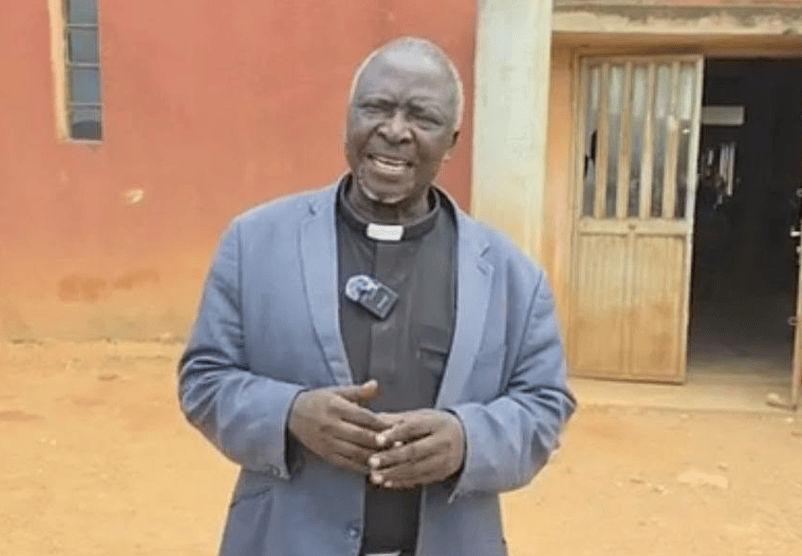
The Regional Chairman of Church of Christ in Nations (COCIN), Barkin Ladi Local Government Area of Plateau State, Rev. Ezekiel Dachomo, has denied reports that he prayed for the re-election of President Bola Tinubu and Vice President Kashim Shettima in the 2027 presidential election.
Dachomo, who is currently in Israel on what he described as his first International Christian Advocacy Tour, said his visit was aimed at drawing the attention of world leaders to the plight of Christians in Plateau.
The cleric made the clarification in a social media post on Monday night following reports that he had prayed for the success of the All Progressives Congress (APC) presidential ticket and expressed support for the Muslim-Muslim ticket.
Dachomo said his earlier post, in which he prayed for Nigeria, had been misconstrued as an endorsement of Tinubu and Shettima ahead of the 2027 election.
According to him, there was nowhere in the post where he prayed for the President and Vice-President to win the election.
“People are trying to frame me, saying I prayed for a Muslim-Muslim ticket. But I did not, and I will never pray for a Muslim-Muslim ticket because Nigeria belongs to both Muslims and Christians,” he said.
Dachomo said his prayers were for the well-being and success of Nigeria and its citizens, irrespective of their religious affiliations.
“I pray for both Muslims and Christians in Nigeria. I pray for Nigeria to succeed. If you truly want to come to God, come with a clean heart,” he added.
The cleric further stated, “I did not pray for President Tinubu and Vice President Shettima to win in 2027. My prayers have always been for Nigeria to succeed.”
Dachomo’s clarification came amid reactions to his ongoing advocacy tour in Israel, where he is seeking international attention to security challenges and what he described as the persecution of Christians in Plateau.
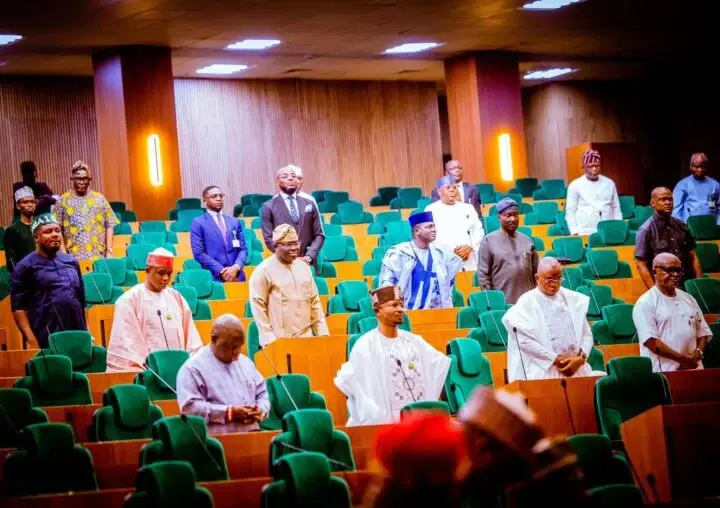
Ahead of the 2027 election, the House of Representatives Committee on Electoral Matters has urged the Independent National Electoral Commission (INEC) to disqualify candidates whose names are not contained in political party registers, as stipulated by the Electoral Act 2026.
In a statement on Tuesday, the Chairman of the committee, Bayo Balogun, drew the commission’s attention to a Supreme Court ruling on Sections 77(5), 77(6) and 77(7) and called for their full enforcement across all political parties.
Balogun, a member of the All Progressives Congress, APC, said that pending legal proceedings concerning the interpretation, constitutionality and enforceability of the sections had been resolved by virtue of the Supreme Court judgment.
The lawmaker recalled that the Supreme Court, on September 24, 2026, restored the provisions after setting aside the Court of Appeal judgment that had declared them unconstitutional.
According to him, the apex court held that the provisions were not inconsistent with the 1999 Constitution.
Balogun explained that Section 77(5) provides that only members whose names are contained in the membership register submitted to INEC are eligible to vote or be voted for at party primaries, congresses and conventions.
He said that Section 77(6) requires political parties to use the register submitted to the electoral umpire for such exercises.
Balogun urged INEC to proceed without further delay to enforce Sections 77(4) to 77(6) in the administration and monitoring of political parties and their electoral activities.
He further urged the commission to audit the membership registers and candidates submitted by political parties to establish whether the names of the candidates are contained in the registers earlier submitted to INEC in compliance with Section 77(5).
“This will be a litmus test for the commission – any culpable political party and candidates should be disqualified.
“Diligent enforcement of the provision would help prevent disputes and reduce the volume of litigation that could arise from alleged irregularities or non-compliance with Sections 77(4) to 77(6) of the Electoral Act,” Balogun said.
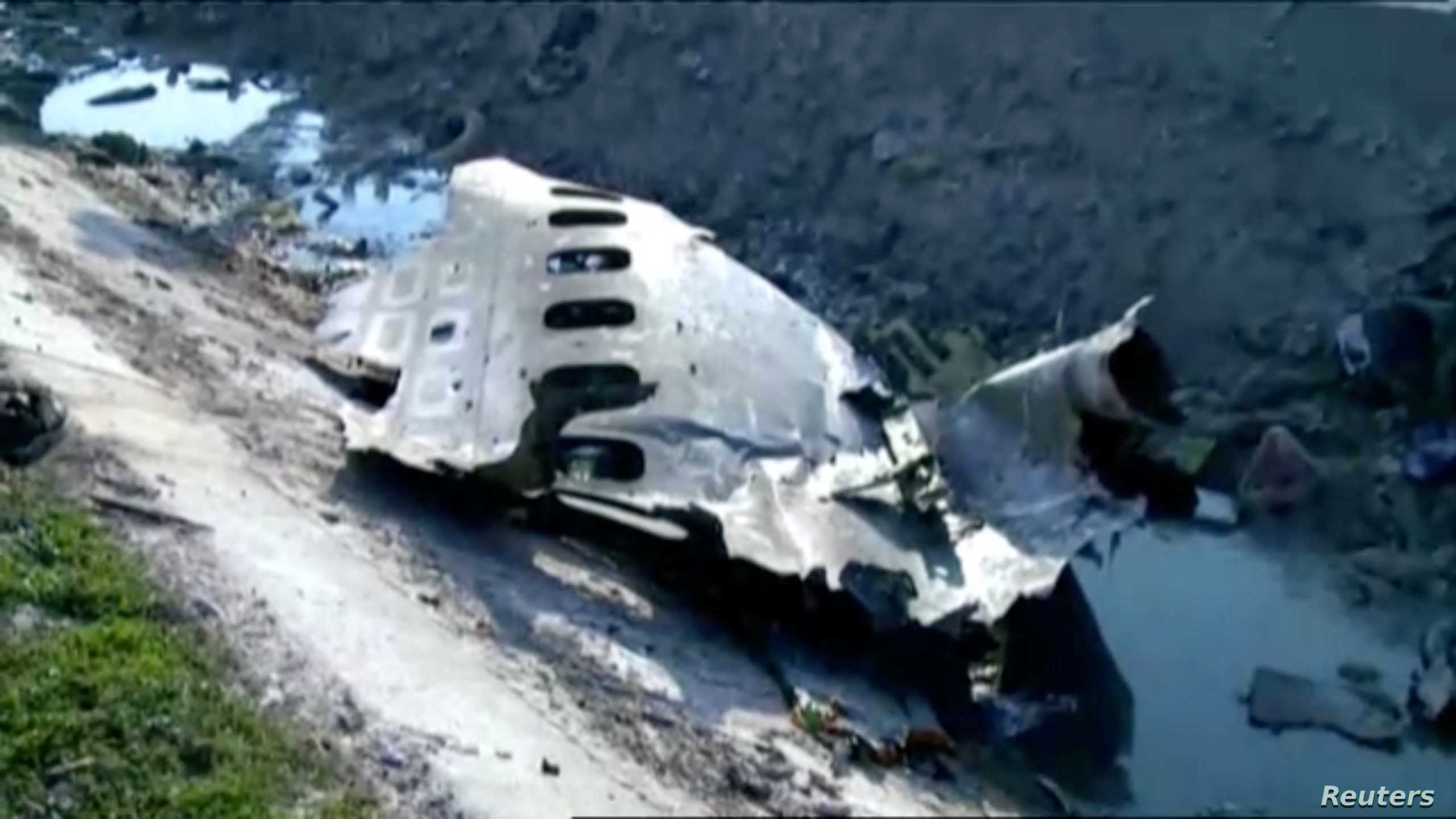
An helicopter crashed into a swamp near Naval Base in Igbokoda, the headquarters of Ilaje Local Government Area of Ondo State, on Monday.
The incident occurred at about 11.00a.m during heavy down pour, throwing the coastal community into panic.
The number of people on board of the helicopter was yet to be officially confirmed, while the condition of possible survivors cannot be confirmed.
Confirming the incident, Maurice Oripenaiye, the Chairman of the local government, told the News Agency of Nigeria (NAN) in a telephone interview that he could not ascertain the number of the victims.
Oripenaye also said he was yet to ascertain the identity of the crashed helicopter and the passengers.
“It happened during the heavy rainfall at about 11.00a.m. I cannot confirm the number of the people on board. I have deployed some youths to the area for rescue purpose,” he told NAN.
Similarly, the Police Command in Ondo State while confirming the crash, said details surrounding the incident were still emerging.
The command in a statement by its spokesperson, Abayomi Jimoh, a deputy superintendent of police, in Akure, said efforts were ongoing to establish the full circumstances surrounding the crash.
“The command urges members of the public, particularly residents of Igbokoda and adjoining communities, to remain calm and refrain from circulating unverified information.
“The public will be duly informed as soon as further credible information becomes available,” it stated.
(NAN)


