
Personality in Focus
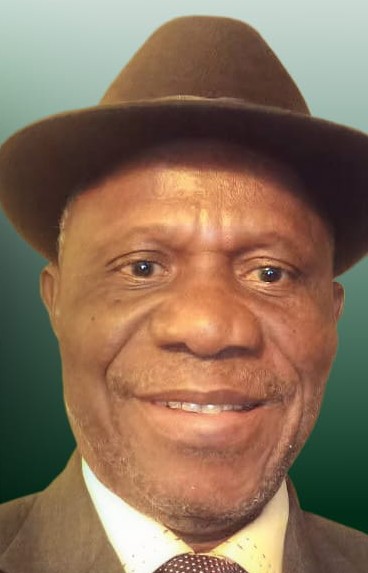
Prince Joseph Idiong Headlines NOMA’s Responsible Reporting, Substance Abuse Prevention Workshop

- /home/rhoncare/pointblank.ng/wp-content/plugins/mvp-social-buttons/mvp-social-buttons.php on line 27
https://pointblank.ng/wp-content/uploads/2026/06/IMG-20260623-WA00602.jpg&description=Prince Joseph Idiong Headlines NOMA’s Responsible Reporting, Substance Abuse Prevention Workshop', 'pinterestShare', 'width=750,height=350'); return false;" title="Pin This Post">
- Share
- Tweet /home/rhoncare/pointblank.ng/wp-content/plugins/mvp-social-buttons/mvp-social-buttons.php on line 69
https://pointblank.ng/wp-content/uploads/2026/06/IMG-20260623-WA00602.jpg&description=Prince Joseph Idiong Headlines NOMA’s Responsible Reporting, Substance Abuse Prevention Workshop', 'pinterestShare', 'width=750,height=350'); return false;" title="Pin This Post">
The Nigerian Online Media Alliance (NOMA), a coalition of digital media publishers and journalists committed to promoting ethical journalism, media development, and impactful public advocacy across Nigeria is delighted to present Prince Joseph Idiong, Director General and Chief Executive Officer of the Association of Nigerian Exporters (ANE), as a Special Guest Speaker at the Media Practitioners’ Capacity Building Programme on Responsible Reporting and Substance Abuse Prevention.
Prince Joseph Idiong is a distinguished communications strategist, international trade expert, commercial diplomat, and private sector advocate whose professional career spans over four decades across the media, public relations, advertising, international trade, export development, and business consultancy sectors.
Widely respected for his exceptional contributions to Nigeria’s export sector and international trade relations, Prince Idiong has built an enviable reputation as a bridge-builder between government, business, development institutions, and the international trading community. His extensive experience in media and communications, combined with his expertise in export promotion and commercial diplomacy, places him among Nigeria’s foremost authorities on non-oil exports, trade facilitation, and economic diversification.
A Member of the Nigerian Institute of Public Relations (MNIPR) since 1995 and a Member of the Business Education Exams Council (MBEEC), Prince Idiong began his professional journey in broadcasting when he joined the Nigerian Broadcasting Corporation (NBC) as an Announcer in 1977. His passion for communication and public engagement later took him to the Cross River Broadcasting Corporation, where he further honed his skills in electronic media.
His successful transition into print journalism saw him rise to the position of Industrial Editor of the Nigerian Industrialist Magazine, where he developed a deep understanding of Nigeria’s industrial and business environment. His outstanding performance in media practice subsequently earned him appointments as Special Projects Consultant to both Guardian Magazine and TELL Magazine, two of Nigeria’s most influential publications.
Beyond journalism, Prince Idiong distinguished himself in the fields of public relations and advertising, working with Seric Advertising Limited in Lagos before co-founding Bigtime Productions Limited, an integrated communications company that provided public relations, advertising, marketing, and strategic communication services to corporate and institutional clients.
His academic and professional development journey reflects a commitment to excellence and lifelong learning. He received professional communications training at Calabar Polytechnic, the Federal Radio Corporation of Nigeria (FRCN) Training School—now the National Broadcasting Academy—as well as the Business Education Exams Council and the International Institute of Journalism (IIJ), an affiliate of the University of Maiduguri.
His extensive public relations consultancy work exposed him to business development and non-profit sector advisory services through engagements with major organisations including the Manufacturers Association of Nigeria (MAN), the Akwa Ibom State Chamber of Commerce, Industry, Mines and Agriculture, and the Association of Nigerian Exporters (ANE). His remarkable contributions eventually led to his appointment as Director General and Chief Executive Officer of the Association of Nigerian Exporters, the umbrella body representing Nigerian exporters and export-oriented businesses.
In the international trade sector, Prince Idiong is a Fellow of the Institute of Export of Nigeria (FIEx) and one of Nigeria’s most experienced trade promotion professionals. He has served on the Board of the Nigerian Export Processing Zones Authority (NEPZA) from 2005 to 2016 and later as a Board Member of the Nigerian Export Promotion Council (NEPC) from 2018 to 2023, contributing significantly to policy formulation, export promotion, and investment development initiatives.
For more than twenty-five years, he has been actively engaged in Commercial Diplomacy Practice, developing expertise in international trade negotiations, export development strategies, investment promotion, and economic cooperation. His professional accomplishments include obtaining international certifications in fifteen export trade courses, in addition to participating in numerous local and international trade workshops, conferences, and capacity-building programmes.
As an international resource person and trade mission leader, Prince Idiong has represented Nigeria and the private sector in over twenty countries across Africa, Europe, Asia, and North America, including the United States, China, India, Russia, South Africa, Mauritius, Egypt, Ireland, Switzerland, and the United Kingdom. His contributions have helped strengthen Nigeria’s trade relationships, expand market access opportunities, and promote Nigerian businesses on the global stage.
One of the defining moments of his career came in 2006 when he served as the Nigerian Government-nominated and United States Government-preferred Lead Negotiator during the USA-Nigeria Trade and Investment Framework Agreement (TIFA) negotiations held at the United States Trade Representative (USTR) Headquarters in Washington, D.C.
In this strategic role, Prince Idiong successfully led negotiations with key U.S. government agencies on matters affecting bilateral trade and transportation relations between both countries. His efforts contributed significantly to the lifting of the ban on direct flights between Nigeria and the United States, a major milestone in Nigeria-U.S. diplomatic and commercial relations.
Another landmark achievement was his successful engagement with the United States Export-Import Bank (US EXIM Bank), where he negotiated the establishment of a dedicated financing facility for businesses operating under the African Growth and Opportunity Act (AGOA). His intervention resulted in the approval of the Nigerian Banking Facility, which commenced with a funding commitment of $300 million and later expanded to $1 billion, creating significant opportunities for Nigerian exporters and businesses seeking access to international markets.
Throughout his career, Prince Idiong has participated in numerous bilateral and multilateral trade negotiations on behalf of Nigeria. These include the United Nations Commission for Europe Trade Facilitation Negotiations in Geneva, Switzerland; the United States-Nigeria Trade and Investment Framework Agreement negotiations in Washington, D.C.; and the Nigeria-China Bilateral Trade Negotiations in Beijing, China.
In recent years, he has continued to play an active role in shaping trade and export policy across Africa. He was a member of the Federal Government delegation to the Intra-African Trade Fair (IATF) in Egypt in 2018 and South Africa in 2021. In 2022, he participated in the Federal Government delegation to the inauguration of the Nigerian Export Trade House in Nairobi, Kenya.
As a thought leader and respected speaker on international trade and economic development, Prince Idiong has delivered keynote addresses and presentations at major national and international events. In 2023, he served as Guest Speaker at the Central Bank of Nigeria Export Seminars held in Lagos, Kano, and Port Harcourt. In 2024, he was a featured speaker at the African Continental Free Trade Area (AfCFTA) Workshop organised by the National Institute for Legislative and Democratic Studies in partnership with the European Commission in Abuja. He also spoke at the Africa Agri Council Conference, where he shared valuable insights on agricultural exports, regional trade integration, and economic transformation.
As a Speaker at this programme, Prince Joseph Idiong brings a wealth of experience in communications, international trade, economic diplomacy, business development, and public policy. His unique perspective on the intersection of media, commerce, governance, and national development will provide participants with valuable insights into how responsible communication and strategic engagement can contribute to economic growth and sustainable development.
Participants can look forward to learning from a seasoned communications professional, accomplished trade diplomat, and respected business leader whose career has been dedicated to promoting Nigeria’s interests, expanding opportunities for exporters, and strengthening the country’s position in the global economy.
For partnership, sponsorship, participation, and media enquiries, interested organisations and individuals are encouraged to contact the organisers.
Media Contacts: Call: 08034499132; 08165322757 and 09034242439. Email:nomamedia25@gmail.com


Personality in Focus
Glo Celebrates Igwe Nnaemeka Achebe with Royal Banquet As 2026 Ofala Festival Ends
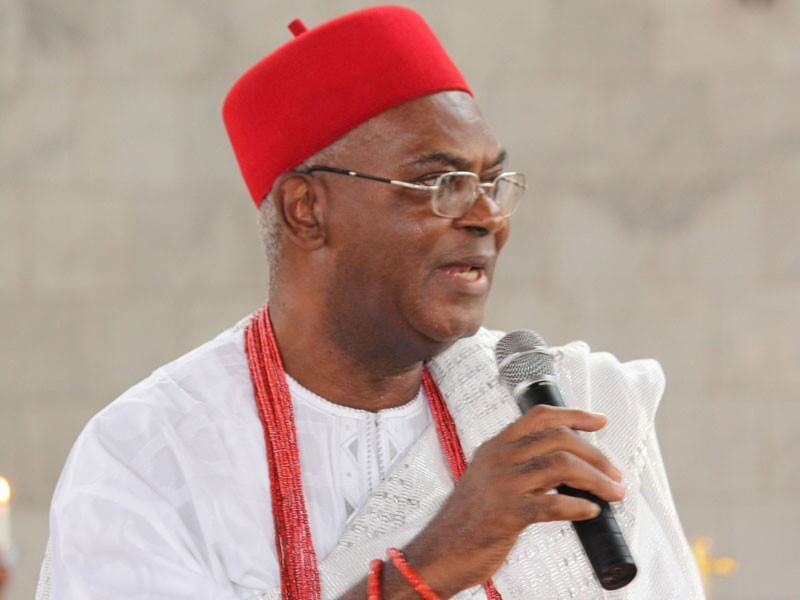
Globacom brought the 2026 Ofala Festival to a magnificent close on Wednesday with a royal banquet in honour of the Obi of Onitsha, His Majesty Igwe Alfred Nnaemeka Achebe.
The elegant gathering, attended by the monarch, members of his cabinet, Globacom’s trade partners and high-net-worth customers, marked the grand finale of the festival sponsored by the telecommunications and digital solutions company.
Speaking at the occasion, Globacom’s Divisional Head, South-East, Mike Ehumadu, said the event underscored the enduring significance of partnerships between corporate organisations and traditional institutions in preserving Nigeria’s cultural legacy and sustaining the traditions that give communities their distinctive identity.
He congratulated Igwe Achebe, the Ofala Festival organising committee and the people of Onitsha on the successful celebration of the 2026 edition, reaffirming Globacom’s commitment to initiatives that celebrate Nigeria’s cultural diversity, strengthen community bonds and project the country’s rich heritage to a wider international audience.
The evening unfolded as a vibrant tapestry of music, comedy and cultural entertainment. Guests were treated to performances from Aniweta Mazeli, Boy o Boy and the Groove Band, while comedian MC Ezegetive infused the gathering with laughter. The performers brought their artistry to bear on the occasion, enriching its atmosphere and creating cherished moments for the royal household, community leaders and other distinguished guests.
In further recognition of the competitive spirit, discipline and communal solidarity displayed by the various Onitsha age grades during the festival, Globacom rewarded winners of the different competitions with cash prizes and trophies. The gesture acknowledged not merely their achievements but also the collective pride and sense of belonging that animate the Ofala tradition. It also presented hundreds of bags of special Basmati rice to all the members of the different age grade associations.
Globacom’s sustained association with Ofala exemplifies the capacity of purposeful private-sector investment to preserve cultural heritage while broadening the social and economic benefits of traditional festivals.
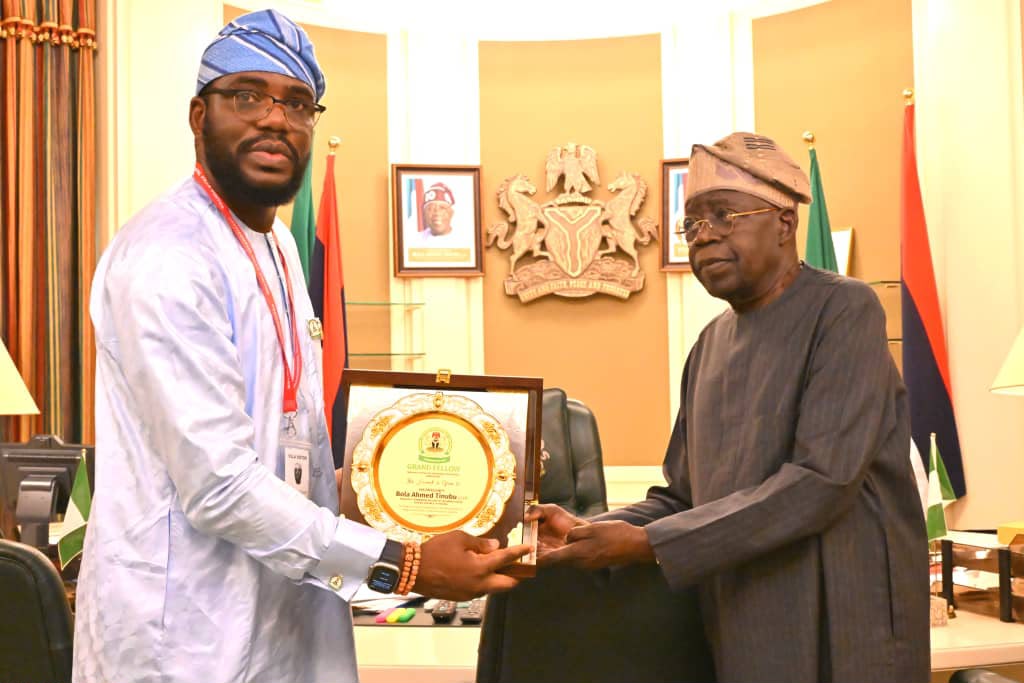
President Bola Ahmed Tinubu has reaffirmed his commitment to supporting the growth of Nigeria’s tourism and hospitality industry following a meeting with the Director-General and Chief Executive Officer of the National Institute for Hospitality and Tourism (NIHOTOUR), Aare Abisoye Fagade, FNHT, FRPA, FIMC.
During the meeting, Aare Fagade briefed the President on ongoing reforms across the tourism, hospitality and travel sector, focusing on professional standards, skills development and the implementation of the NIHOTOUR Act 2022 to strengthen service quality, accountability and industry competitiveness.
As part of the engagement, the NIHOTOUR Director-General presented President Tinubu with the Grand Fellow of National Hospitality and Tourism (GFNHT), the highest singular honour in Nigeria’s tourism sector, conferred by NIHOTOUR.
The President’s pledge of continued support underscores the importance of tourism as a driver of economic diversification, job creation, investment and enterprise development.
Speaking on the significance of the meeting, Aare Fagade said tourism must be recognised not merely as leisure and recreation, but as an economic sector capable of creating opportunities for Nigerians and contributing meaningfully to national prosperity.
He noted that NIHOTOUR’s reforms are designed to strengthen professional competence, improve industry standards and establish a credible regulatory environment in which businesses can thrive and investment can grow.
“Our responsibility is to build the professional and institutional foundations that will enable Nigeria’s tourism potential to translate into jobs, investment and sustainable economic growth. The President’s continued support is important to advancing these reforms and positioning the sector for greater national impact,” Fagade said.
The engagement aligns with the objectives of President Tinubu’s Renewed Hope Agenda, particularly economic diversification, employment generation and the development of productive non-oil sectors.
NIHOTOUR reaffirmed its commitment to working with government and private-sector stakeholders to build a more professional, competitive and globally recognised tourism industry that delivers lasting value to Nigerians.
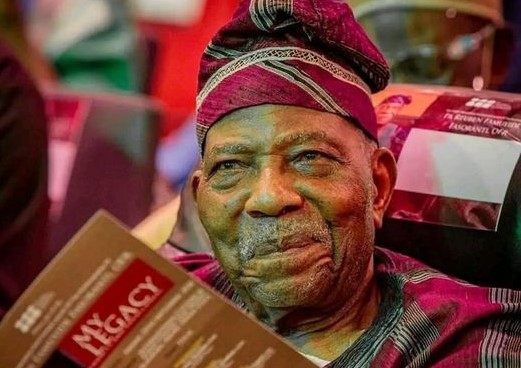
The national leader of the Pan Yoruba social-political organisation, Pa Reuben Famuyide Fasoranti, is dead.
The revered elder statesman and Afenifere chieftain passed away at the age of 100, which he celebrated May 11, 2026.
Born on May 11, 1926, in Uso, Ondo State, Pa Fasoranti was one of the major twines holding together the Yoruba nation and a bridge linking the politics of the First Republic to the present democratic order in the South West and in the country.
His political trajectory was rooted in progressivism and Yoruba ideals, having imbibed the political philosophy of Chief Obafemi Awolowo through th Action Group and later the Unity Party of Nigeria.
During the Second Republic, he served as Commissioner of Finance in the old Ondo State between 1979 and 1983. He later rose to become the leader of Afenifere following the death of Chief Abraham Adesanya, his predecessor.
A foremost Yoruba leader, Pa Fasoranti was one of the NADECO leaders whom the regime of the late General Sani Abacha attempted to assassinate in 1996.
He is regarded as symbol of the never-dying spirit of resistance against forces of tyranny and oppression with his politics never about himself but the advancement of his people, philosophy upheld by his resilience in the face of visible danger and personal losses, including the killing of his daughter by herders on the Benin-Ore road some years ago.
A teacher by training, he attended Ondo Boys’ High School, Yaba Higher College in Lagos, and the University College, Ibadan, where he bagged a higher degree in English/Geography.
He taught at his alma mater, Ondo Boys’ High School, and later served as Principal of Oyemekun Grammar School and Iju-Itaogbolu Grammar School. His dedication to education persisted after retirement, as evidenced by his establishment of Omolere Nursery and Primary School and Akure High School.
“His counsel, fatherly guidance and principled stand on issues of justice and good governance will be sorely missed. He lived a fulfilled life and left indelible footprints of honour and legacy for generations to come,” the Governor stated.
Meanwhile, Governor Lucky Aiyedatiwa, has described the late patriarch as a beacon of wisdom, integrity and selfless service whose century-long life was marked by uncommon commitment to the development of Ondo State, Yorubaland and Nigeria at large.
He said, “On behalf of the Government and the good people of Ondo State, I commiserate with the Fasoranti family, the people of Akure Kingdom and the entire State over this great loss. May his gentle soul rest in perfect peace.”
Until his death, Pa Fasoranti remained a towering figure in Yoruba politics and a strong advocate for the unity of the Yoruba people, the supremacy of Yoruba ideals and the betterment of the lot of his people.
He is survived by his children and grandchildren, as well as a legacy of service, integrity and leadership.
The Guardian


