Business
Six Winners Get Brand-New Cars, 2.1m Others Win Mouthwatering Prizes As Nestle Concludes MILO Text & Win Promo


- /home/rhoncare/pointblank.ng/wp-content/plugins/mvp-social-buttons/mvp-social-buttons.php on line 27
https://pointblank.ng/wp-content/uploads/2026/11/MILO-TEXT-AND-WIN--1000x476.jpeg&description=Six Winners Get Brand-New Cars, 2.1m Others Win Mouthwatering Prizes As Nestle Concludes MILO Text & Win Promo', 'pinterestShare', 'width=750,height=350'); return false;" title="Pin This Post">
- Share
- Tweet /home/rhoncare/pointblank.ng/wp-content/plugins/mvp-social-buttons/mvp-social-buttons.php on line 69
https://pointblank.ng/wp-content/uploads/2026/11/MILO-TEXT-AND-WIN--1000x476.jpeg&description=Six Winners Get Brand-New Cars, 2.1m Others Win Mouthwatering Prizes As Nestle Concludes MILO Text & Win Promo', 'pinterestShare', 'width=750,height=350'); return false;" title="Pin This Post">
MILO Nigeria has concluded its nationwide Text & Win Promotion, rewarding more than 2.1 million consumers across the country through a campaign designed to celebrate consumer loyalty and create rewarding experiences for Nigerian families.
Running from July to October, the promotion invited consumers to purchase a promotional 20g pack of MILO, uncover a unique code and enter for a chance to win airtime, cash prizes and brand-new hybrid vehicles. The campaign attracted over 10 million entries with MILO investing more than ₦3 billion in prizes and rewards, making it one of the brand’s largest consumer promotions in recent years.
Throughout the promotion, over 2 million consumers received airtime rewards, while 75 consumers won ₦250,000 each, 55 consumers won ₦500,000 each and 10 consumers won ₦1 million each. In addition, five consumers emerged as winners of brand-new hybrid vehicles through a series of bi-weekly draws conducted across the duration of the campaign.
Why This Matters
This matters because it is one of the biggest consumer giveaways in Nigeria this year.
Over ₦3 billion in prizes, over 10 million entries, and winners from Ogun to Taraba to Katsina to Plateau to Lagos. It shows the scale of MILO’s reach, and for millions of families, a small 20g pack turned into real airtime, real cash, and for six people, a brand-new car.
Reflecting the nationwide reach of the promotion, five winners of brand-new hybrid Jetour X70 vehicles emerged from across the country: Oye Bolaji from Ogun State, Okafor Nonyelum Helen from Taraba State, Oladipupo Ajiferuke from Lagos State, Suleiman Kasim from Katsina State, and Asabe Barry from Plateau State, while the sixth and Grand Prize Winner, Michael Uchegbu from Lagos State, drove home a brand-new Jetour T2.
Speaking on the significance of the campaign, Wassim Elhusseini, Managing Director and Chief Executive Officer, Nestlé Nigeria Plc, highlighted the importance of consumer trust as a non-negotiable pillar of Nestlé’s relationship with consumers and communities across Nigeria. “The success of this promotion goes beyond the numbers. It reflects the strength of the relationship we have built with consumers across Nigeria over many decades. At Nestlé, trust is the foundation of everything we do. It is earned through consistency, quality and delivering on our commitments every day. The participation we have seen through the MILO Text & Win Promotion reinforces the confidence consumers place in our brands, and we remain committed to investing in initiatives that create meaningful value for individuals, families and communities across Nigeria.”
Echoing the brand’s commitment to rewarding consumers, Gilbert Tweneboah-Koduah, Category Manager, Beverages, Nestlé Nigeria, added “For generations, MILO has been a trusted companion for Nigerian families, supporting them through everyday moments and inspiring young people to pursue their goals with determination. The Text & Win Promotion was an opportunity to give back to the consumers who continue to choose MILO by creating a rewarding experience that was simple, accessible and impactful. Seeing millions of consumers participate and knowing that winners emerged from communities across the country, reinforces the unique connection MILO continues to share with Nigerian families and communities.”
For Michael Uchegbu, who emerged as the grand prize winner, taking home a brand-new Jetour T2 hybrid vehicle, the prize was more than a reward; it was a meaningful recognition of his loyalty as a MILO consumer. “My family and I have always been loyal consumers of MILO, so participating in the promotion was something I genuinely looked forward to. Every time I bought a pack, I entered the code, hoping that one day I would win. After several weeks without success, I honestly started to lose hope and almost gave up. Receiving the call that I had won a brand-new vehicle came as a complete surprise. This is a truly special moment for my family, and I am grateful to MILO for this opportunity.”
The MILO Text & Win Promotion builds on the brand’s longstanding commitment to creating value for consumers and communities. Beyond consumer initiatives, MILO continues to champion youth development, active lifestyles and environmental sustainability through programmes including the MILO Basketball Championship, MILO Building Champions and the MILO Elevate Recycling Initiative.


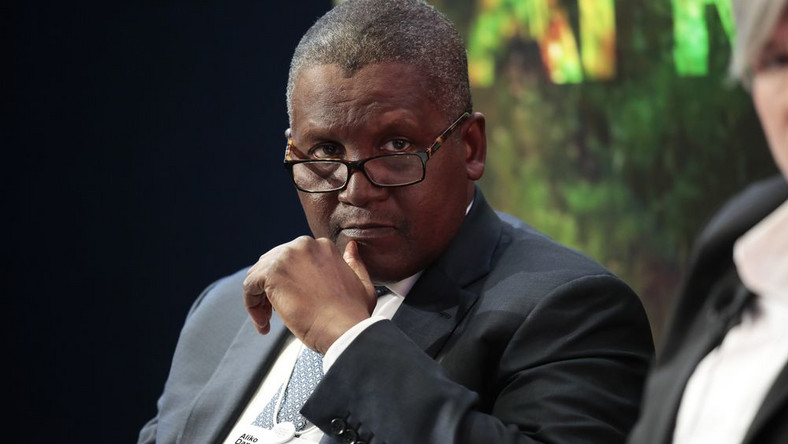
Ugandan President, Yoweri Museveni, has met with Nigerian billionaire Aliko Dangote at State House, Entebbe, to discuss investment opportunities in energy, petroleum, agriculture, and mining. A key area of interest was the fertilizer industry, aimed at enhancing regional food security.
According to Museveni, the meeting highlighted progress on Uganda’s crude oil refinery project, a joint venture with Alpha MBM from the United Arab Emirates, with an initial capacity of 60,000 barrels per day.
This meeting follows Dangote’s recent launch of the multi-billion-dollar Dangote East Africa Petroleum Refinery in Lamu County, Kenya.
Museveni, who attended the occasion, welcomed the development, emphasising Africa’s shift from exporting raw materials to local processing.
Museveni welcomed the development, noting that Africa is gradually moving away from decades of exporting raw materials instead of processing them locally.
“I am happy to see Africa waking up and moving away from the 70-year betrayal of exporting raw materials,” President Museveni said. “Dangote, who started as an importer and has become a national and continental asset, is a good example of the transformation we need.”
Addressing regional energy infrastructure needs, Museveni clarified that Kenya’s new mega-refinery would not conflict with Uganda’s own downstream ambitions or existing cross-border partnerships.
“Uganda’s refinery will be built, and our cooperation with Tanzania on Tanga stands. There is no harm in having more refineries in the region. What Africa needs is value addition, industrialisation and bigger integrated markets,” Museveni noted, adding: “East African political integration must ultimately be treated as a matter of strategic survival.”
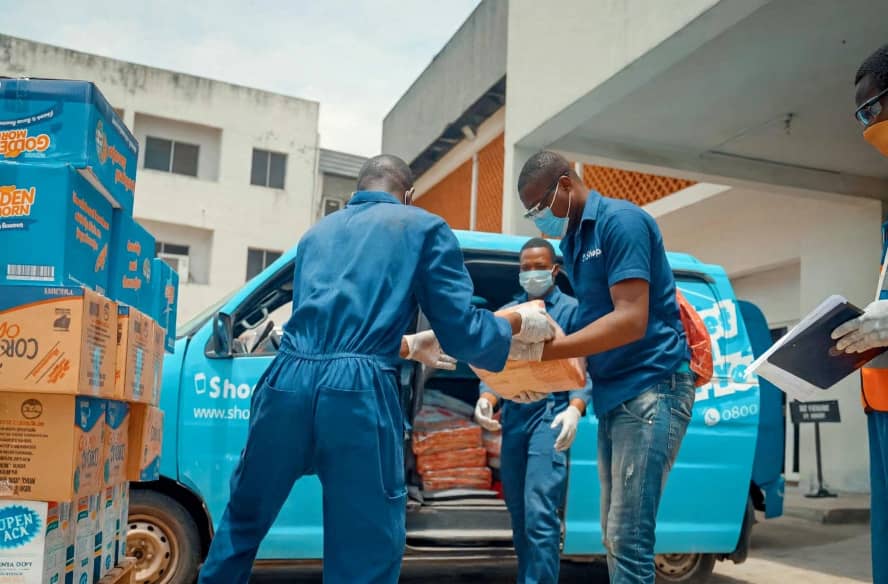
Africa’s informal retail sector presents a major opportunity for economic growth, as technology companies explore ways to improve how small businesses source products, manage supplies and serve consumers.
Nigerian technology company TradeDepot is addressing the challenge by connecting neighbourhood shops, kiosks, market stalls and small provision stores with manufacturers and distributors through digital solutions.
The initiative targets a largely underserved segment of Africa’s retail industry, where many small businesses face difficulties accessing reliable suppliers, efficient distribution networks and appropriate financial services.
By improving access to products and simplifying procurement, TradeDepot aims to help retailers reduce supply-chain challenges and focus more on serving customers.
The impact could extend beyond individual businesses to manufacturers and distributors through improved market access, more efficient product distribution and stronger connections with local communities.
The company’s growth has also received institutional investment support. Through its Boost Africa initiative, the European Investment Bank (EIB) invested €10 million in Partech Africa Fund, which subsequently backed TradeDepot.
Boost Africa, a partnership supporting innovative African businesses, demonstrates how investment capital can help technology companies develop solutions for underserved markets.
As Africa’s retail landscape evolves, the informal sector is increasingly attracting attention as a major driver of commerce, employment and enterprise development.
TradeDepot’s approach highlights the potential of using technology and investment to strengthen the small businesses already supplying everyday goods to millions of African consumers.
Watch the video: https://www.youtube.com/watch?v=zw9t2asF9Pc
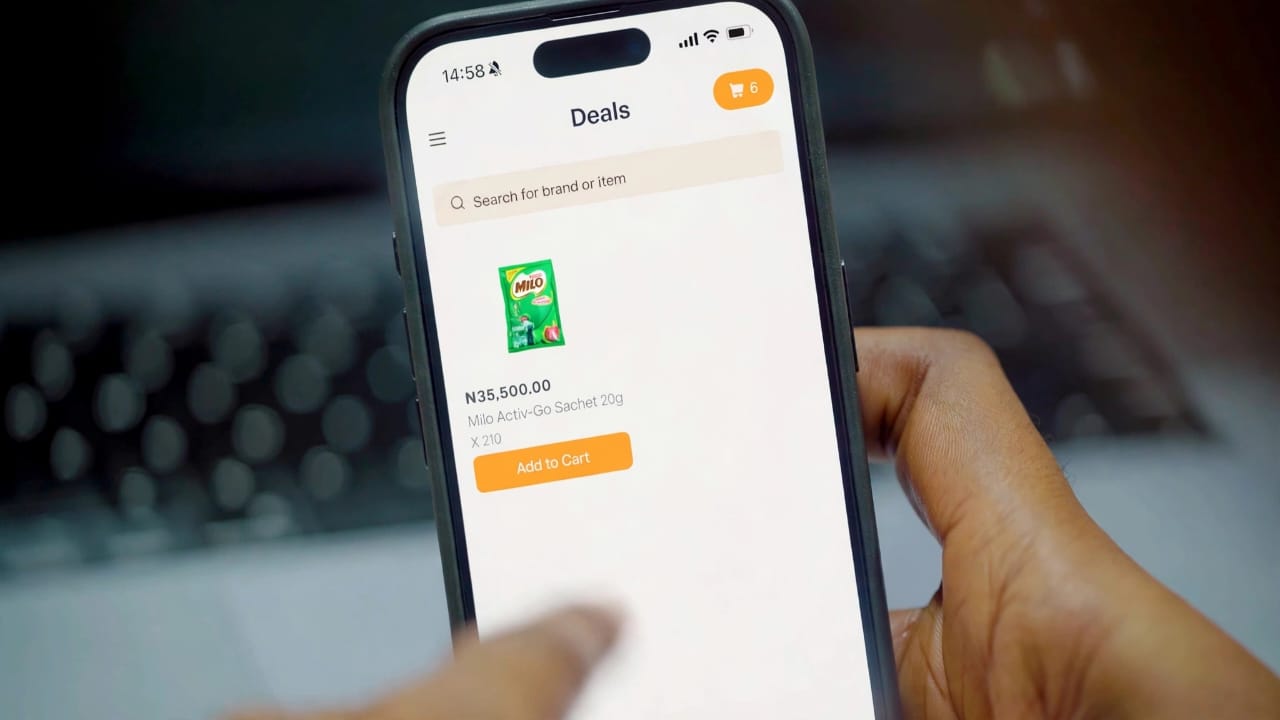
From manufacturers and distributors to neighbourhood retailers, technology and investment are reshaping the systems that move products across African markets.
When a customer walks into a neighbourhood shop and finds exactly what they need, the transaction may appear simple. But behind that everyday purchase is a complex network of businesses, people and systems working together to make it happen.
Manufacturers produce the goods, distributors move them through supply channels, logistics providers handle transportation, and retailers ensure products reach consumers. Payment systems and financing also play important roles in keeping this commercial ecosystem running.
However, across many African markets, the infrastructure connecting these players remains fragmented, creating challenges that affect how businesses operate and how efficiently products reach consumers.
For small retailers, sourcing products can involve dealing with multiple intermediaries, navigating inefficient distribution networks and managing unpredictable supplies. Limited access to working capital can further complicate inventory management, making it difficult to keep essential products consistently available.
These challenges point to a bigger issue: the future of commerce is not just about selling more products or creating new shopping experiences. It is also about strengthening the infrastructure that makes buying, selling and distribution possible.
Technology is increasingly becoming part of the solution.
Digital platforms can connect retailers with manufacturers and distributors, simplify ordering processes and improve visibility across supply networks. When combined with efficient logistics and access to financing, these innovations can help businesses manage inventory, improve distribution and build stronger commercial relationships.
This is the space in which TradeDepot, a Nigerian technology company, is making its contribution. By using technology to connect small retailers with manufacturers and distributors, the company is helping address some of the structural challenges within traditional retail supply chains.
Its approach reflects a broader opportunity in Africa’s digital transformation: moving beyond solutions that simply improve the customer experience to innovations that strengthen the underlying systems supporting businesses, distribution networks and economic activity.
Investment also plays a critical role in making this transformation possible.
Through Boost Africa, the European Investment Bank (EIB) invested €10 million in Partech Africa Fund, which subsequently backed TradeDepot. The investment demonstrates how development finance and venture capital can support African technology companies working to address fundamental market challenges.
Beyond supporting individual businesses, such investments can contribute to the development of stronger commercial networks, improved infrastructure and innovative solutions that make entire economic value chains more efficient.
Ultimately, a thriving retail sector needs more than shops and customers. It needs reliable supply chains, efficient distribution networks, accessible financing and technology that connects every part of the journey.
Because the future of commerce will not be determined only by what businesses sell, but also by how effectively the systems behind those transactions work.
Boost Africa: From Capital to Impact.
Watch how TradeDepot is bringing commerce closer to communities through technology and the Boost Africa initiative: