
Headlines
Southern Governors Ask Buhari to Address Nigerians, Move for Establishment of Ports in Other States, Ban Open Grazing

- /home/rhoncare/pointblank.ng/wp-content/plugins/mvp-social-buttons/mvp-social-buttons.php on line 27
https://pointblank.ng/wp-content/uploads/2021/05/IMG-20210511-WA0126-1000x583.jpg&description=Southern Governors Ask Buhari to Address Nigerians, Move for Establishment of Ports in Other States, Ban Open Grazing', 'pinterestShare', 'width=750,height=350'); return false;" title="Pin This Post">
- Share
- Tweet /home/rhoncare/pointblank.ng/wp-content/plugins/mvp-social-buttons/mvp-social-buttons.php on line 69
https://pointblank.ng/wp-content/uploads/2021/05/IMG-20210511-WA0126-1000x583.jpg&description=Southern Governors Ask Buhari to Address Nigerians, Move for Establishment of Ports in Other States, Ban Open Grazing', 'pinterestShare', 'width=750,height=350'); return false;" title="Pin This Post">
Southern Governors have banned open grazing of cattle across states in the region and urged the President to address Nigerians on the state of the nation.
The Governors also called for the restructuring of the country to address increasing agitations in different parts of the nation, while restating their commitment to the unity of the country.
The Governors stated these at the end of their meeting in Asaba, the Delta State Capital, on Tuesday.
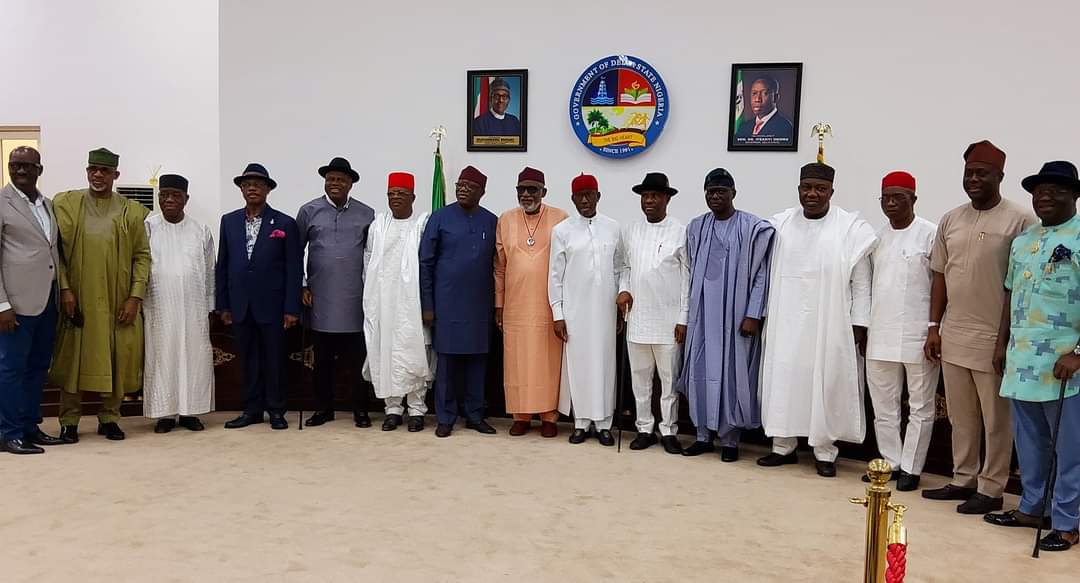
Physically in attendance were the Lagos State Governor, Babajide Sanwo-Olu; Oyo State Governor, Seyi Makinde; Rivers State Governor, Nysome Wike; Ebonyi State Governor, David Umahi; Ogun State governor, Dapo Abiodun; Anambra State governor, Willie Obiano; Enugu State Governor, Ifeanyi Ugwuanyi; among others.
They were received by the host, Delta State Governor, Ifeanyi Okowa.
Some of the states and sub-regions have previously banned open grazing.
In February, the Nigerian Governors Forum, representing all 36 states in the country, said it had reached a consensus on the “need for the country to transition into modern systems of animal husbandry that will replace open, night, and underage grazing in the country.”
The ban on open grazing comes as herdsmen violence continues to be reported across the country.
Beyond the herdsmen crisis, the country continues to groan under diverse security threats, including but not limited to an insurgency in the North-East, banditry in the North-West and secessionist agitations in the South-East and South-West.
Read the Southern Governor’s full position after Tuesday’s meeting:
COMMUNIQUE ISSUED AT THE CONCLUSION OF THE MEETING OF THE GOVERNORS OF SOUTHERN NIGERIA IN GOVERNMENT HOUSE, ASABA, DELTA STATE, ON TUESDAY, 11TH MAY, 2021
At its meeting held today, 11th May, 2021, th e Southern Governors Forum reviewed the situation in the nation generally and focused on the current security situation, agitations/restructuring, prospect for inter-state collaboration and partnerships as well as on the incidence of the COVID-19 Pandemic. Rising from the meeting, the Forum: affirmed that the peoples of Southern Nigeria remain committed to the unity of Nigeria on the basis of justice, fairness, equity and oneness and peaceful co-existence between and among its peoples with a focus on the attainment of shared goals for economic development and prosperity; observed that the incursion of armed herders, criminals and bandits into the Southern part of the country has presented a severe security challenge such that citizens are not able to live their normal lives including pursuing various productive activities leading to a threat to food supply and general security.
Consequently, the meeting resolved that open grazing of cattle be banned across Southern Nigeria; noted that development and population growth has put pressure on available land and increased the prospects of conflict between migrating herders and local populations in the South. Given this scenario, it becomes imperative to enforce the ban on open grazing in the South (including cattle movement to the South by foot); recommended that the Federal Government should support WILLING States to develop alternative and modern livestock management systems; agreed that the progress of the nation requires that urgent and bold steps be taken to restructure the Nigerian Federation leading to the evolution of state police, review of revenue allocation formula in favour of the sub-national governments and creation of other institutions which legitimately advance our commitment to and practice of true federalism; recommended that in view of widespread agitations among our various peoples for greater inclusiveness in existing governance arrangements, the Federal Government should convoke a national dialogue as a matter of urgency; recommended that in deference to the sensitivities of our various peoples, there is need to review appointments into Federal Government Agencies (including Security Agencies) to reflect federal character as Nigeria’s overall population is heterogenous; resolved to foster cooperation among the Southern States and the nation at large; expressed concern on the continued gridlock on the Oshodi – Apapa Expressway and the chokehold it has exerted on the nation’s economy being the sole outlet from Apapa Wharf.
The meeting therefore recommended the activation and establishment of ports in other States of the federation to create new jobs and promote socio-economic activities in the country; the meeting expressed concern on the economic implications of another lockdown on the country, and therefore suggested greater coordination and cooperation between Federal and State Governments in evolving strategies for dealing with the pandemic; expressed very grave concern on the security challenge currently plaguing the nation and strongly urged that Mr. President should address Nigerians on the challenges of insecurity and restore the confidence of our people; and expressed gratitude to our host, Governor Ifeanyi Okowa for his generosity and hospitality.
Signed by:
Arakunrin Oluwarotimi Akeredolu, SAN
Governor, Ondo State
His Excellency
Dr. Victor Okezie Ikpeazu
Governor, Abia State Governor
His Excellency
Chief Emmanuel Udom
Akwa Ibom State
His Excellency
Willie Obiano
Governor, Anambra State
His Excellency
Senator Diri Duoye
Governor, Bayelsa State
His Excellency
Prof. Ben Ayade
Governor, Delta State
His Excellency
Senator Dr. Ifeanyi Okowa
Governor, Cross Rivers State
His Excellency
Engr. Dave Umahi
Governor, Ebonyi State
His Excellency
Godwin Obaseki
Governor, Edo State
His Excellency
John Olukayode Fayemi
Governor, Ekiti State
His Excellency
Ifeanyi Ugwuanyi
Governor, Enugu State
His Excellency
Senator Hope Uzodimma
Governor, Imo State
His Excellency
Babajide Sanwo-Olu
Governor, Lagos State
His Excellency
Dapo Abiodun
Governor, Ogun State
His Excellency
Isiaka Adegboyega Oyetola
Governor, Osun State
His Excellency
Oluwaseyi Abiodun Makinde
Oyo State Governor
His Excellency
Ezenwo Nyesom Wike Governor
Rivers State


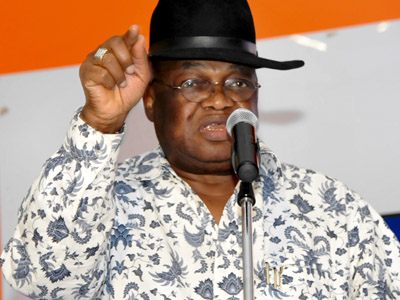
President Bola Tinubu has expressed sadness over the death of Ambassador Patrick Dele Cole, describing him as a distinguished diplomat, journalist, politician and public servant.
Cole died at 86.
In a statement on Saturday, Tinubu said Cole devoted his life to national service and brought distinction to his work in diplomacy, journalism and politics.
“His career reflected the enduring value of dialogue, tact, mutual respect and the pursuit of shared interests in advancing national development and international cooperation,” the President said.
Tinubu noted Cole’s contributions to Nigeria’s media landscape, particularly as Managing Director of the Daily Times, where he upheld the role of the press in holding public officials accountable, speaking truth to power and strengthening democratic governance.
“His legacy in journalism and public life remains an enduring part of our national story,” he said.
The President said at 86, Cole witnessed defining moments in Nigeria’s history and contributed to national development, adding that his life stands as a testament to experience, principled engagement and commitment to public good.
Tinubu extended condolences to Cole’s family, friends, professional associates and all whose lives he touched, praying that memories of his remarkable life will bring comfort and strength.
“May Almighty God grant Ambassador Cole eternal rest and give his family and all who mourn him the fortitude to bear this profound loss,” he said.
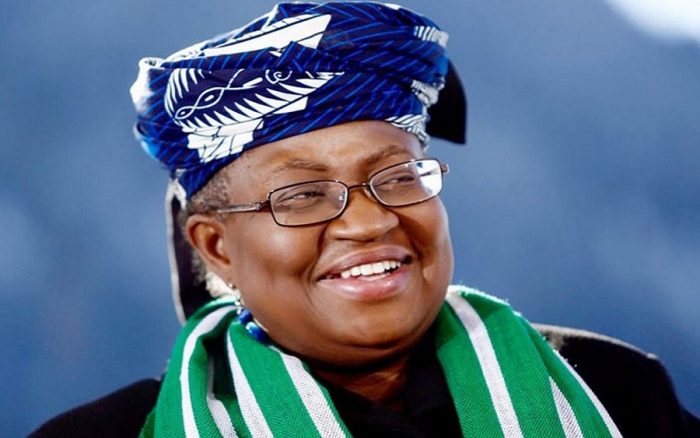
Director-General of the World Trade Organisation (WTO), Mrs. Ngozi Okonjo-Iweala, has said that her probe of an alleged $2.4bn subsidy fraud led to the abduction of her mother.
It would be recalled that the former Finance Minister’s mother, Kamene Okonjo, was kidnapped from her home in Ogwashi-Uku, Delta State, in December 2012.
In a recent interview with Bloomberg, Okonjo-Iweala said the abductors demanded that she resign as minister of finance and leave the country.
The WTO director-general served as Nigeria’s finance minister between 2011 and 2015 under former President Goodluck Jonathan.
She said the subsidy investigation began after her office noticed a sharp increase in claims submitted by petrol importers.
“So I went to the president and said, look, something is going on here. Could we audit the accounts? And he said, yes, go ahead. And we found about $2.4 billion worth of fraud. So, we refused to pay,” she recounted.
She said her mother was abducted shortly after the decision was announced, adding that her captors demanded her resignation as a condition for her release.
“I was told (by the kidnappers) that for her to be released, I should resign and leave the country,” she said.
The former minister described the incident as one of the most traumatic experiences of her life, saying her mother was held in a forest before escaping.
“She was held in the middle of a forest, and one night she escaped. She’s still alive. She’s 96 now,” Okonjo-Iweala said.
“It was a terrible, terrible five-day ordeal. I think the worst in my life.”
“I never dreamt my parents could ever be touched in this way, that people would be that evil,” she added.
Okonjo-Iweala said she considered resigning before her mother regained her freedom, but her father warned her against giving in to the abductors’ demands.
“He said, ‘We don’t give in to blackmail’. And he said, ‘You’ve got to carry on. You’ve got to go to work’,” she recalled.
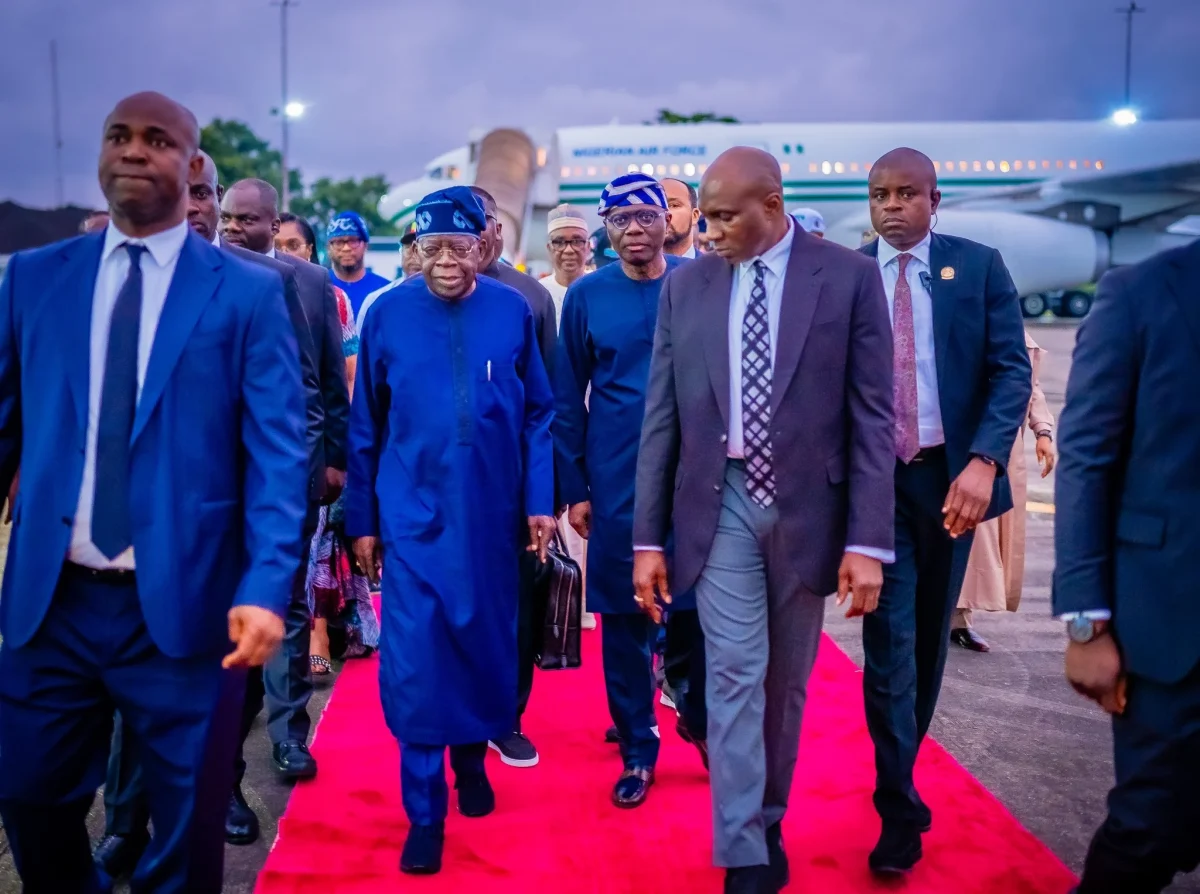
President Bola Tinubu has told members of the All Progressives Congress (APC) Presidential Campaign Council not to expect him to accompany them to every campaign event ahead of the 2027 general election, saying he must remain focused on governance and the country’s economic responsibilities.
Tinubu spoke on Wednesday during the inauguration of the APC Presidential Campaign Council in Abuja, where he urged members to take the party’s message to Nigerians across the states and local government areas while he continues to attend to matters of governance.
The president said he agreed with concerns that the demands of the campaign should not distract him from running the country, adding that Nigeria needs his attention at the moment.
“You’ve warned me not to allow the rigour of the campaign to distract me from governance, I hear you. I am in full agreement with your decision. Nigeria needs more attention now,” Tinubu said.
He told council members to excuse him from accompanying them to every campaign event, noting that his administration has bills to pay and international financial obligations to meet.
“So, you will excuse me from going everywhere with you, we have bills to pay. The American creditors cannot wait,” the President said.
Tinubu also said the government needs to attract investors who would commit to long-term investments in Nigeria and contribute to the future of the country’s children.
“We want those investors to come in, be here to stay, to invest for the future of our children,” he said.
The president, however, assured Nigerians that he would continue to engage them directly even as the campaign council took charge of mobilisation across the country.
“However, I will still make time to speak directly with Nigerians, even as you lead the campaign in the states and local government areas,” he said.
Tinubu described the inauguration of the council as more than a campaign activity, saying it represents a renewed commitment to Nigerians and the responsibilities of the ruling party.
“We have not gathered merely to inaugurate a council. We have gathered to renew a covenant. A covenant with Nigerian people and the historic responsibility they have entrusted to us as Nigeria’s governing party,” he said.
He added that the council is expected to communicate the administration’s vision, achievements and agenda to voters nationwide.
“This council will carry our vision, our records and our agenda to every Nigerian, and it will carry them to victory every ward of this country,” Tinubu said.
The president also commended APC members for completing the party’s congresses, recalling that some had predicted internal crises during the process.
He said the party has overcome the challenges and emerged united, crediting members for participating in the process from the ward level to the national leadership.
“They said there will be implosion. We passed through it. We did not fail. You didn’t let us down. We got here together,” he said.


