Business
Stanbic IBTC Showcases Strong CSI Through Together4ALimb Initiative, Others

- /home/rhoncare/pointblank.ng/wp-content/plugins/mvp-social-buttons/mvp-social-buttons.php on line 27
https://pointblank.ng/wp-content/uploads/2022/01/44116259-stanbic-ibtc-1024x768-1.jpg&description=Stanbic IBTC Showcases Strong CSI Through Together4ALimb Initiative, Others', 'pinterestShare', 'width=750,height=350'); return false;" title="Pin This Post">
- Share
- Tweet /home/rhoncare/pointblank.ng/wp-content/plugins/mvp-social-buttons/mvp-social-buttons.php on line 69
https://pointblank.ng/wp-content/uploads/2022/01/44116259-stanbic-ibtc-1024x768-1.jpg&description=Stanbic IBTC Showcases Strong CSI Through Together4ALimb Initiative, Others', 'pinterestShare', 'width=750,height=350'); return false;" title="Pin This Post">
As a socially responsible organisation, Stanbic IBTC Holdings PLC is big on positively impacting lives within its host communities in Nigeria through its Corporate Social Investment (CSI) initiatives.
Stanbic IBTC’s CSI is hinged on three core pillars: education, health, and economic empowerment, and aims to meaningfully contribute to enhancing the wellbeing of Nigerian communities, especially at the grassroots.
One of such is the Together4ALimb initiative, where the company provides support to enhance the quality of life of children with missing limbs. Through the provision of prosthetics and educational trust funds worth millions of naira, Stanbic IBTC ensures these young people can live a normal and productive life like their counterparts.
The Organisation understands the need to make an impact in the lives of children living with missing limbs, either by birth or via accidents, and is determined to do so through its signature CSI. It is important to give these children hope for the future, and enable them see the endless possibilities for greatness in life, irrespective of societal prejudices they face owing to their circumstances, which could pose a threat to the achievement of their dreams and aspirations. The educational trust support provides a platform for young people to access quality education needed to enable them maximize their potential and become whatever they want to be.
The signature CSI comes with an awareness drive, “Together4ALimb charity walk”, which is designed to draw attention to this health challenge and hopefully garner financial and government support for survivors. The annual Together4ALimb walk has recorded over 5,000 participants since inception.
Stanbic IBTC reiterates its commitment to empowering and creating better narratives for communities in Nigeria. In 2021, the Organisation took on several value-driven charitable initiatives such as school renovations, orphanage, nursing homes and special needs centre visitations, , all targeted at empowering and enriching the lives of less privileged Nigerians.
A memorable CSI initiative taken on last year by the organization was a visit to the Ketu Special Children Centre, where the organisation presented medical and physiotherapy equipment to the facility. The donations made will go a long way to help improve the wellbeing of children living with cerebral palsy, a condition which causes other health issues like vision impairment, hearing and speech problems, and learning disabilities.
Other CSI initiatives taken on by Stanbic IBTC last year include the presentation of hospital equipment to Batagarawa Primary Health Care, Katsina; presentation of a CT Scan room and other medical facilities to Mother and Child Hospital, Kano State; the donation of medical items to Mother and Child Hospital, Ebonyi State; the commissioning of a borehole donated to the LEA Primary School FCT Abuja; renovation of the Antenatal Care Unit at General Hospital, Mushin, Lagos, as well as empowering young people via financial knowledge on the World Savings Day in various schools nationwide and mentoring sessions for students at Estate Senior Grammar School, Ilupeju, amongst others
Stanbic IBTC is focused on delivering relevant and impactful CSI projects in communities where development is most needed. In 2022, Stanbic IBTC promises to deliver more social and economic initiatives to facilitate growth and improve the welfare of the Nigerian communities, especially those in rural areas.


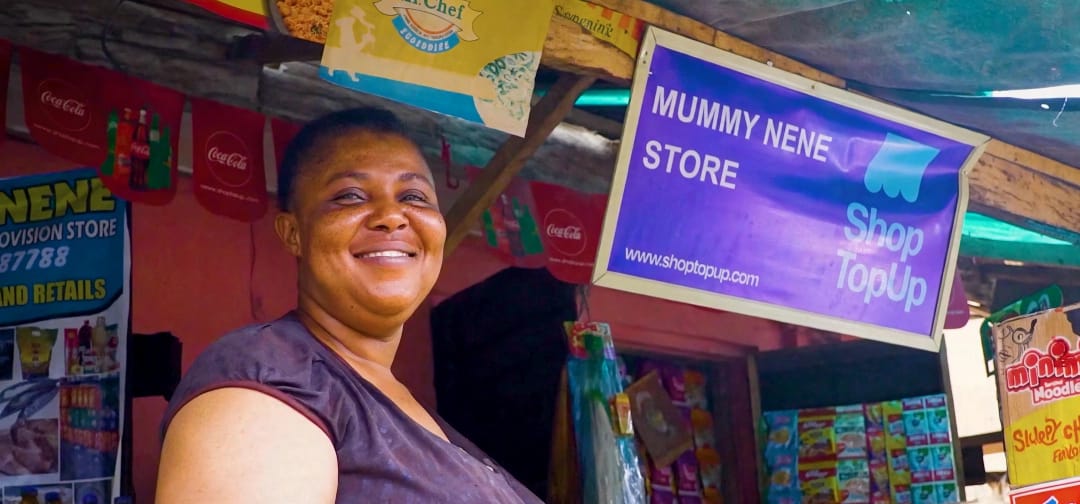
While conversations about the future of retail increasingly focus on supermarkets, shopping malls and online shopping platforms, millions of African consumers continue to rely on a more familiar and accessible business: the neighbourhood shop.
From small provision stores and corner shops to kiosks and informal retailers, these businesses remain an important part of everyday commerce, connecting communities to essential household products. However, behind their convenience lies a supply chain challenge that often limits their growth.
For many small retailers, sourcing products, managing inventory and securing enough working capital to keep their shelves stocked can be difficult. Fragmented distribution networks, multiple intermediaries and limited access to financing often make it harder for them to compete and expand.
Technology is beginning to offer a different possibility.
Digital platforms can simplify the way neighbourhood retailers purchase goods by connecting them more directly with manufacturers and distributors. They can streamline ordering, improve product availability and make inventory management more efficient.
Access to financial technology can further strengthen these businesses by helping eligible retailers secure the working capital required to replenish stock, respond to customer demand and grow sustainably.
One Nigerian technology company working to address these challenges is TradeDepot, which is using digital innovation to connect small retailers with manufacturers and distributors.
By making product sourcing and distribution more efficient, the company is helping to address some of the longstanding barriers facing small businesses in Africa’s retail sector.
However, scaling technology-driven solutions across a fragmented retail market requires more than innovation. It also demands significant investment.
This is where development finance and venture capital become important.
Through Boost Africa, the European Investment Bank (EIB) invested in Partech Africa Fund, a venture capital fund that subsequently backed TradeDepot. The investment illustrates how development finance can reach innovative African businesses through investment funds, providing capital to companies working to solve real economic challenges.
Boost Africa is a joint initiative of the European Investment Bank and the African Development Bank, with support from the European Union. The initiative supports African businesses and strengthens the continent’s entrepreneurial ecosystem by improving access to finance and opportunities for growth.
The wider significance of this investment goes beyond the technology platform itself. Strengthening neighbourhood retailers can contribute to more efficient supply chains, support small business growth and improve access to everyday consumer goods across communities.
For Africa, where small retailers remain central to local economies, the opportunity is substantial.
The future of retail may not necessarily involve replacing traditional neighbourhood shops with large supermarkets or online marketplaces. Instead, it could depend on equipping these existing businesses with better technology, stronger distribution networks and improved access to finance.
Ultimately, transforming retail may begin with something as familiar as the shop around the corner.
Boost Africa: From Capital to Impact.
Watch how TradeDepot is bringing commerce closer to communities through technology and investment
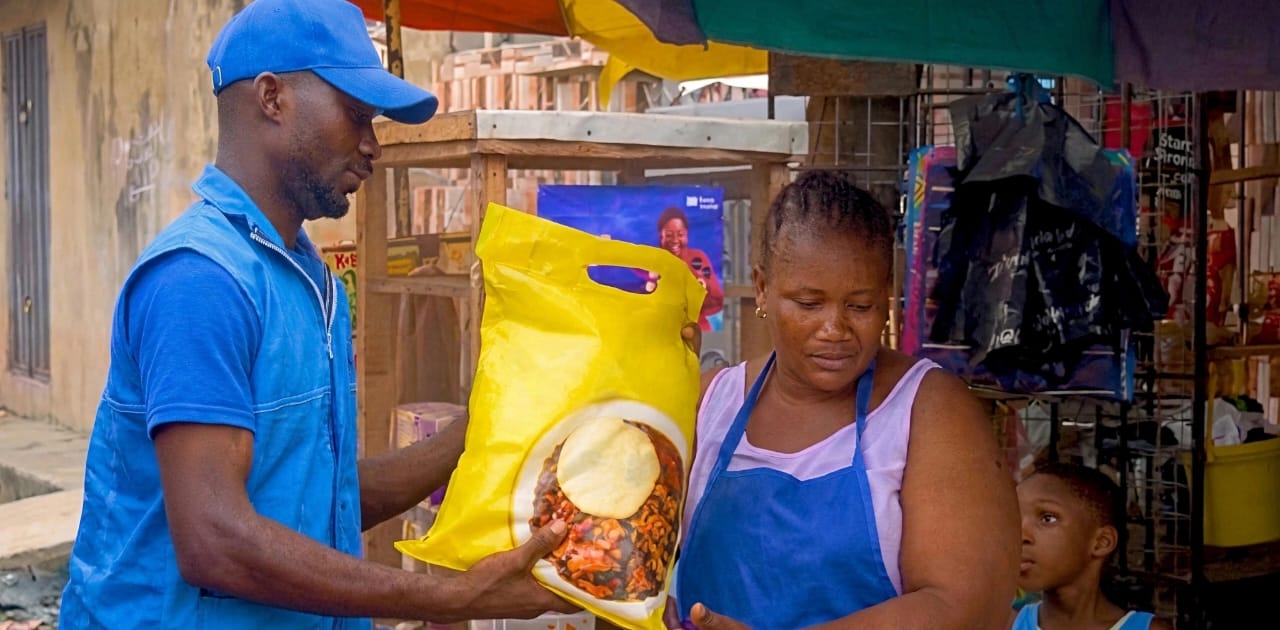
Ever wondered how the products on your neighbourhood shop shelves get there? Behind everyday purchases is a supply chain that can be costly, complex and inefficient, particularly for small retailers.
Nigerian technology company TradeDepot is changing this process by using technology to connect small retailers with manufacturers and distributors, making it easier for shop owners to order and receive the goods they need.
But transforming retail distribution takes more than an innovative idea. It requires investment to build, expand and scale.
Through Boost Africa, the European Investment Bank (EIB), alongside the African Development Bank and with support from the European Union, is helping strengthen the financing ecosystem for innovative African businesses.
One example is the EIB’s investment in Partech Africa Fund, which subsequently backed TradeDepot, helping channel capital into a Nigerian business working to improve how goods move from suppliers to neighbourhood shops.
The impact goes beyond technology. More efficient distribution can help small retailers access inventory, strengthen connections between manufacturers and suppliers, and bring commerce closer to the communities they serve.
Ultimately, TradeDepot’s story demonstrates how investment can go beyond funding to support stronger businesses, more efficient markets and opportunities for small retailers.
Boost Africa: From Capital to Impact.
Watch how TradeDepot is bringing commerce closer to communities.
▶ https://www.youtube.com/watch?v=zw9t2asF9Pc
Business
Beyond University Degrees: How ChipMango is Preparing African Engineers for Global Tech Industry
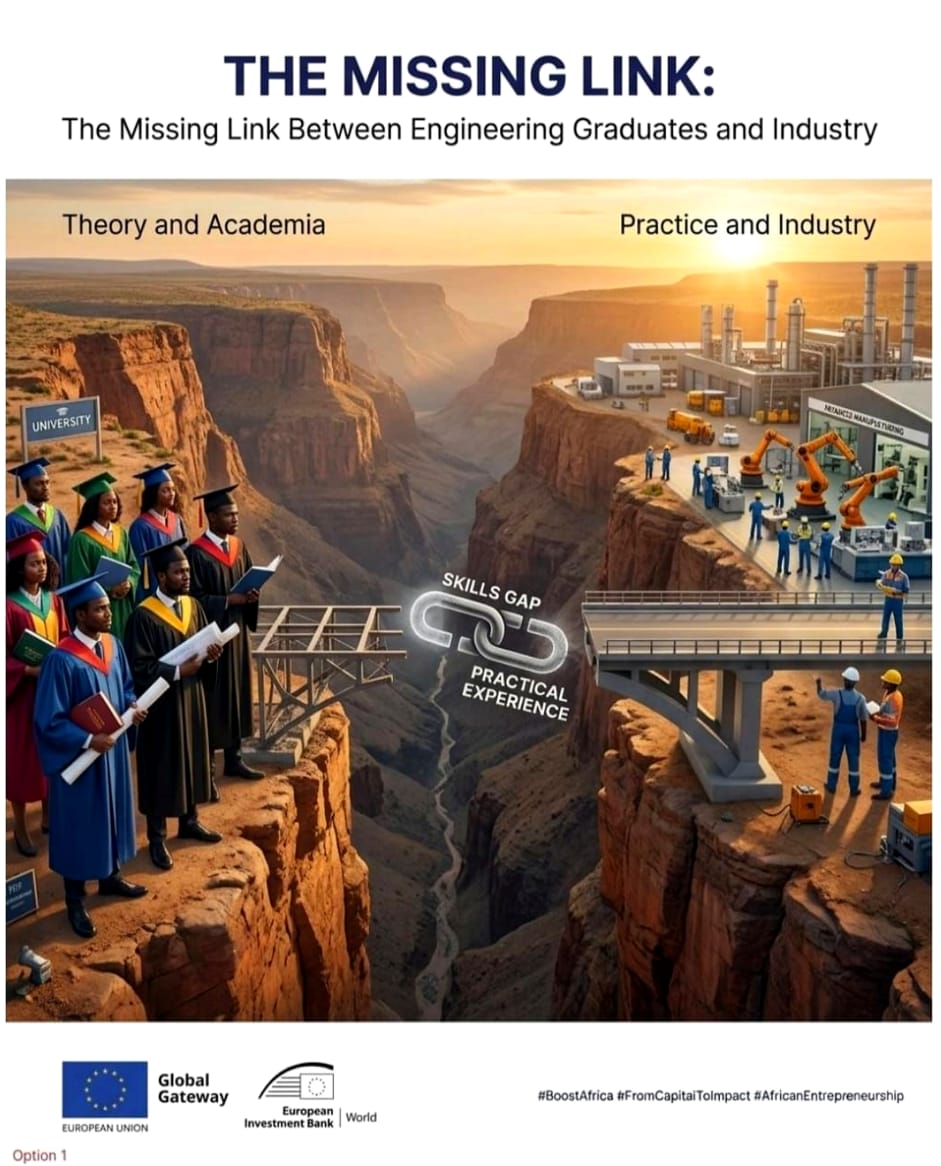
A university degree is a starting point, but practical industry experience can make all the difference.
Nigerian technology company ChipMango is bridging the gap through specialised semiconductor training and real-world chip design and verification projects, preparing African engineers for opportunities in the global technology industry.
Through Boost Africa, the EIB, AfDB and EU are strengthening the investment ecosystem supporting innovative African businesses.
Watch the video to discover how ChipMango is connecting engineering talent to real industry opportunities.
Watch the video: