
Metro
The Hand of God: I Pause to Say Thank You!


- /home/rhoncare/pointblank.ng/wp-content/plugins/mvp-social-buttons/mvp-social-buttons.php on line 27
https://pointblank.ng/wp-content/uploads/2025/08/DR.TOLULOPE-A.-ADEGOKE-AMBP-UN__-1-744x600.jpg&description=The Hand of God: I Pause to Say Thank You!', 'pinterestShare', 'width=750,height=350'); return false;" title="Pin This Post">
- Share
- Tweet /home/rhoncare/pointblank.ng/wp-content/plugins/mvp-social-buttons/mvp-social-buttons.php on line 69
https://pointblank.ng/wp-content/uploads/2025/08/DR.TOLULOPE-A.-ADEGOKE-AMBP-UN__-1-744x600.jpg&description=The Hand of God: I Pause to Say Thank You!', 'pinterestShare', 'width=750,height=350'); return false;" title="Pin This Post">
By Tolulope A. Adegoke PhD
“In an age of ceaseless disruption, the wisest pause is to acknowledge the Unchanging Hand—the divine grace that guides our progress, steadies our systems, and writes our story of possibilities with a wisdom no trend can outpace.” – Tolulope A. Adegoke, PhD
We are living through an age of acceleration. Technological advancements, from generative artificial intelligence to biotechnology, are not just evolving; they are fundamentally rewriting the rules of human enterprise on a near-daily basis. Concurrently, the global community faces layered, systemic challenges—climate volatility, geopolitical fragmentation, economic precarity, and a pervasive sense of institutional distrust. This relentless churn of innovation and crisis can foster a worldview dominated by pure mechanistic cause and effect, where outcomes are seen solely as the result of data-driven strategy, relentless hustle, or fortunate access to capital.
Yet, within the complex tapestry of human progress—across personal biographies, corporate histories, and the annals of nations—there persists a recurring, almost whispered, narrative. It speaks of moments that defy straightforward analysis: the serendipitous encounter that alters a career trajectory, the breakthrough insight that arrives after all logical solutions are exhausted, the organizational resilience that emerges from a crisis in ways no risk-management model predicted, or the diplomatic breakthrough that occurs against all odds when conflict seemed inevitable. For millennia, across diverse faiths and philosophies, this dimension of experience has been attributed to a higher guiding force—often termed the Hand of God. It represents the divine interaction where diligent human effort intersects with transcendent grace, producing outcomes that feel orchestrated, purposeful, and imbued with a meaning beyond mere happenstance.
In our contemporary context, recognizing this force is not an act of intellectual retreat. On the contrary, it is an exercise in profound clarity and emotional intelligence. It provides the essential counterbalance to the hubris of absolute human control and the anxiety bred by uncertainty. It compels us to a vital, transformative pause—a sacred interval for introspection on our core values, retrospection on the journey thus far, and a heartfelt posture of gratitude for the grace that navigates our collective voyage through these uncharted waters. This pause is not an empty space; it is the fertile ground from which wiser action, more sustainable leadership, and deeper hope can grow.
For the Individual: Cultivating Purpose in an Age of Digital Determinism
The modern professional landscape is increasingly mediated by algorithms that curate opportunities, assess productivity, and even suggest career paths. Personal worth is often unconsciously tied to metrics of digital engagement and visible output, leading to a quiet epidemic of burnout and existential doubt. In this environment, the most meaningful developments frequently occur outside these digital parameters.
Consider the pattern: a sudden redundancy, initially a devastating blow, becomes the forced catalyst for launching a purpose-driven venture that aligns with a long-held passion. A chance conversation during a delayed flight leads to a mentorship that shapes a leader’s ethical compass for decades. A period of enforced stillness, perhaps due to illness or family need, creates the mental space for a creative or spiritual insight that reorganizes one’s entire life priorities. These are not merely random events; to the perceptive heart, they bear the hallmark of intentional guidance.
The ancient wisdom of Proverbs 19:21 observes, “Many are the plans in a person’s heart, but it is the Lord’s purpose that prevails.” This is not a dismissal of ambition or strategic planning. Rather, it is an invitation to hold our plans with open hands. It suggests that our detailed life maps are subject to benevolent divine cartography that can see beyond our immediate horizon. The practice of pausing to acknowledge this reality does several things: it replaces anxiety with a sense of guided adventure, it converts envy of others’ paths into contentment with one’s own unique journey, and it fosters a humility that makes us lifelong learners. Gratitude, in this personal realm, is the conscious acknowledgment that our skills, opportunities, and even our recoveries from failure are gifts to be stewarded, not just assets we have self-manufactured.
For the Organization: Building Legacy in an Era of Stakeholder Capitalism
The 21st-century corporation operates under a blinding spotlight. Stakeholders—including employees, customers, investors, and communities—now demand authentic purpose, ethical transparency, and demonstrable social and environmental stewardship alongside financial performance. This shift from shareholder primacy to stakeholder capitalism represents a profound change in the rules of engagement.
In this new paradigm, principles often relegated to “corporate social responsibility” documents are now central to long-term viability. Organizations that operate with integrity—prioritizing fair wages, sustainable sourcing, and genuine community partnership—often experience a form of capital that cannot be listed on a balance sheet: the capital of trust. This trust manifests as customer loyalty during a misstep, employee advocacy in competitive talent markets, and investor patience during necessary transitions. While these outcomes can be analyzed through the lens of sociology or economics, many faith-informed leaders perceive the outworking of a timeless principle.
The Psalmist notes, “The Lord’s blessing brings wealth, without painful toil for it” (Proverbs 10:22). This is not a promise of effortless profit, but a profound observation that sustainable abundance is often tied to alignment with divine principles of justice, honesty, and generosity. When a company avoids a lucrative but unethical deal, it may be protected from future scandal. When it invests in employee well-being, it cultivates innovation and dedication that drives organic growth. The guiding hand here is seen in the provision of wisdom for complex decisions, the fostering of a cohesive culture amid diversity, and the unexpected market opportunities that align with a company’s core values. The necessary corporate pause involves leadership teams reflecting not only on key performance indicators but on their foundational ethos. Gratitude is expressed by acknowledging that success is a collaborative endeavor with a moral dimension and by reinvesting prosperity into the common good.
For the Nation and the Global Community: Steering the Ship of State with Moral Navigation
The arena of geopolitics and national governance is perhaps where the illusion of pure human control is most dangerous and most easily dispelled. Leaders wield immense power, yet they are constantly confronted by the limits of that power—facing natural disasters, global economic tides, and the unpredictable currents of human history. The rise and fall of empires, the sudden emergence of peace movements, and the avoidance of global catastrophes often contain elements that baffle historians and political scientists.
Instances where conflict is de-escalated through a last-minute change of heart, where scientific collaboration across rival nations yields a solution to a shared threat like a pandemic, or where a society makes a collective turn toward justice and reconciliation after generations of oppression—these moments carry a weight of significance that suggests more than shrewd political calculus. They hint at a moral fabric to history itself.
The prophet Jeremiah, addressing a nation in turmoil, conveyed this divine perspective: “For I know the plans I have for you… plans to give you hope and a future” (Jeremiah 29:11). This promise, made in a context of exile and despair, underscores a foundational belief: that the ultimate trajectory of a people is held within a providential narrative of hope and redemption. National pauses for thanksgiving, days of reflection, or calls for collective prayer are not merely ceremonial. They are acts of humility that can reorient a society’s focus from fear and division to shared destiny and mutual responsibility. Gratitude on this scale is a powerful antidote to nationalistic arrogance. It reminds a citizenry of its blessings, fosters a spirit of stewardship over its resources, and cultivates a posture of compassion toward other nations and future generations.
Synthesis: Gratitude as the Foundational Posture for a Future of Meaning
Ultimately, to perceive and acknowledge the guiding hand of God is to choose a narrative of profound hope and partnership. It liberates us from the exhausting burden of believing we are the sole authors of our fate. It protects our souls from the corrosive effects of pride in success and despair in failure. This awareness transforms gratitude from a fleeting emotion into a disciplined posture—a foundational lens through which we view our past, engage our present, and anticipate our future.
This posture of gratitude is eminently practical. It makes individuals more resilient and adaptable leaders. It fosters corporate cultures of ethical innovation and long-term thinking. It encourages nations to pursue policies of justice, peace, and environmental care. In a world intoxicated by speed and disruption, the deliberate, heartfelt pause to say “thank you” may be the most strategic and humanizing act available to us. It grounds our frenetic activity in meaning, connects our personal struggles to a larger story of grace, and equips us to build a future that is not only smarter or richer, but wiser and more deeply human. We pause, we recognize, we give thanks—and from that place of humble acknowledgment, we find the clarity and courage to move forward.
When the world moves faster than our understanding, true wisdom is found in the sacred pause: to recognize the Guiding Hand that has written our story of progress, to give thanks for the grace in our journey, and to find courage for the path ahead.
Dr. Tolulope Adeseye Adegoke is by God’s grace a distinguished scholar-practitioner specializing in the intersection of African security, governance, strategic leadership and effective management. His expertise is built on a robust academic foundation—with a PhD, MA, and BA in History and International Studies focused on West African conflicts, terrorism, and regional diplomacy—complemented by high-level professional credentials as a Distinguished Fellow Certified Management Consultant and a Fellow Certified Human Resource Management Professional. He can be reached via: tolulopeadegoke01@gmail.com


Metro
International Day of the Girl-Child: Pad Me A Girl Foundation Holds Menstrual Health Outreach in Ogun

The Pad Me A Girl Empowerment Foundation has taken its menstrual health campaign to Igbesa High School (Junior), in Ado-Odo/Ota Local Government Area of Ogun State, providing free sanitary pads, menstrual hygiene pamphlets, exercise books and pens to over 100 schoolgirls to promote menstrual health, dignity and education.
The outreach, held on Wednesday, October 21, commemorated the 2026 International Day of the Girl Child, whose global theme is “End Child Marriage and Invest in Girls’ Rights!”
The programme brought together girls from Junior Secondary School (JSS) 1 to 3 who participate in the school’s reading clubs for mentorship, reading activities and menstrual health education.
It was convened by Oyelami Yetunde Anuoluwapo and Blessing Kappo, teachers and Teach For Nigeria Fellows at the school, following an appeal for sanitary products, learning materials and health education support. The Foundation’s founder, Theresa Moses, responded by providing the requested items and facilitating an interactive session on menstrual hygiene management.
Speaking at the event, Moses said she was inspired by the girls’ determination and aspirations, stressing the need for sustained investment in their health, education and future.
“Invest in girls and Nigeria will rise. Every girl deserves dignity, education and the right to dream beyond child marriage. That is why we are here; to ensure no girl misses school because of her period,” she said.
She emphasised that access to menstrual hygiene products and accurate information helps girls manage their periods confidently and participate fully in school activities.
In a letter of appreciation, Oyelami and Kappo described the outreach as impactful and inspiring, noting that it enhanced the girls’ understanding of menstrual health, hygiene and self-confidence. They also said the support would help promote the students’ hygiene, school attendance and dignity.
“You did not just give pads; you gave our girls confidence and hope,” the teachers wrote on behalf of the school community, expressing gratitude to the Foundation and hope for future collaboration.
Mrs Amarachi Eze, Assistant Divisional Commissioner of the Nigerian Girl Guides Association, Ado-Odo/Ota, Ogun State Branch, also commended the Foundation for supporting the girls’ hygiene needs and development.
“We sincerely appreciate the Management of Pad Me A Girl Foundation for joining hands with the Association in supporting our girls on hygiene management. May God Almighty continue to uplift your foundation. Thanks for joining hands in the development of girls in our schools. Bravo,” she said.
The Foundation’s Media Coordinator, Mr Oluwatosin Simon Faleye, called on corporate organisations, non-governmental organisations and well-meaning Nigerians to support initiatives that address period poverty and help girls remain in school.
“For over a year, we have been committed to ending period poverty and keeping girls in school. We call on corporate organisations and well-meaning Nigerians to support this cause for the betterment of Nigeria,” Faleye said.
The celebration also featured a student drama presentation highlighting the effects of child marriage, alongside reading and mentorship activities designed to encourage the girls to understand their rights, value their education and pursue their aspirations.
The Foundation also acknowledged the continued support of its sponsors and partners, including Access Bank, Pro Star Sports International, BL Consulting, Vita Baites Foods, Checkers, Senator Ireti Kingibe, representing the Federal Capital Territory (FCT) in the 10th Nigerian National Assembly, the Senate Committee on Women Affairs (SCOWAS), as well as individuals and media organisations whose contributions have supported its broader mission of ending period poverty, promoting menstrual health education and empowering girls and women.
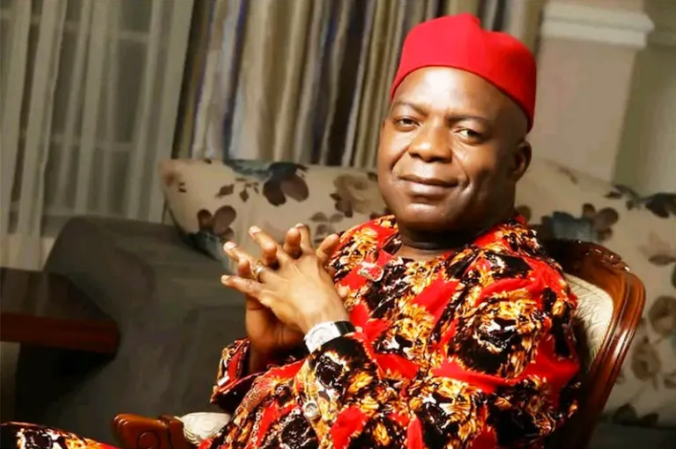
Abia State governor, Alex Otti, is set to flag off the reconstruction of Uratta Road and Old Express Road in Aba, two major routes which poor condition has disrupted transportation, commercial activities and access to residential communities for years.
The governor’s media aide, Ferdinand Ekeoma, in a statement on Wednesday, said that work on the roads has begun ahead of the scheduled official flag-off.
The two roads are considered important to Aba’s commercial and industrial activities, with Uratta Road connecting several adjoining streets to Port Harcourt Road and Old Express Road. At the same time, Old Express Road serves as a key route within the city’s industrial layout.
Ekeoma said the roads had suffered neglect for more than 24 years, leaving some sections impassable and forcing residents and businesses to contend with difficult transportation conditions.
According to the statement, Uratta Road provides access to more than 100 adjoining streets. Its poor condition has affected residents, traders and small-scale manufacturers who depend on the road to transport goods and access their businesses.
The statement said the road had become waterlogged and overgrown with weeds, discouraging commercial motorcycle and tricycle operators from using it.
Similarly, the deterioration of Old Express Road forced heavy-duty truck operators, fabric merchants, spare-parts dealers and small businesses to use longer routes, increasing transportation costs and affecting productivity.
The government said the road reconstruction is part of its broader effort to restore Aba’s infrastructure and strengthen the city’s commercial base.
Aba, one of southeastern Nigeria’s major commercial centres, hosts manufacturing clusters, markets, and small and medium-sized enterprises that depend heavily on functional roads to move raw materials and finished products.
The government said the reconstruction would improve market access, reduce transportation costs, facilitate the movement of goods, and support businesses operating along the affected corridors.
Ekeoma cited the reconstruction of Port Harcourt Road as an example of the administration’s infrastructure programme, noting that improved road access encouraged shops to reopen, attracted manufacturing activities and increased property rents along the corridor.
The government also said the new projects would complement other road interventions in Aba, including works on Ohanku and Obohia roads, as part of efforts to improve connectivity within the commercial city.
Beyond road construction, the administration said its projects include drainage systems, solar-powered streetlights, and pedestrian walkways, which it described as necessary to improve safety, accessibility, and flood resilience.
Ekeoma said Governor Otti views infrastructure development as an economic strategy rather than merely a construction programme, arguing that better roads would help businesses operate more efficiently and create employment opportunities.
He also quoted the governor as saying at an earlier church event that his administration is shifting attention from basic infrastructure improvements to healthcare, education, technology and industrialisation.
The governor, a former bank chief executive, was elected in 2023 on the Labour Party platform, defeating candidates from the major established parties in a state historically dominated by the Peoples’ Democratic Party.
Otti has remained in the Labour Party despite the defection of its 2023 presidential candidate, Peter Obi.
His administration has made rehabilitating Aba roads and public infrastructure central to its governance agenda, presenting the city’s recovery as essential to reviving economic activity across Abia State.

MILO Nigeria, in partnership with former Nigerian national team captain and MILO Brand Ambassador Ahmed Musa, has concluded the inaugural MILO × Ahmed Musa Sports Clinic and Tournament in Kano, providing 2,500 young footballers with professional coaching, mentorship and competitive football experience.
Over two weeks, participants took part in 10 coaching sessions and competed in matches under the guidance of Ahmed Musa and experienced coaches. The programme combined practical football training with lessons in teamwork, discipline, resilience and confidence, equipping participants with skills and values that extend beyond the pitch.
The initiative culminated in a tournament at the Ahmed Musa Sports Complex in Kano, where Khamis Football Academy emerged as champions of the inaugural edition. Participants also received cash prizes, certificates and football equipment.
Speaking on the initiative, Gilbert Tweneboah-Koduah, Category Lead, MILO, said: “At MILO, we believe sport is a powerful platform for young people to discover their abilities, build confidence and develop values that extend beyond the field of play. Our partnership with Ahmed Musa brings together MILO’s longstanding commitment to sports development and the experience of an athlete whose journey from grassroots football to the highest level of the game can inspire the next generation. By combining his experience with structured coaching and competition, this programme has given young footballers in Kano an opportunity to develop their skills, learn from experienced professionals and better understand the commitment required to pursue their aspirations.”
For the participants, the clinic offered an opportunity to learn from an athlete whose football journey began in northern Nigeria and progressed to the highest levels of the sport, making his experience a source of inspiration for aspiring players.
Commenting on the partnership, Ahmed Musa said: “Nigeria has incredible football talent, but talent alone is not enough. Young players need good coaching, regular competition and people who will guide them. I am proud to partner with MILO and share some of what football has taught me. My message to these players is simple: keep training, listen to your coaches and work hard every day to improve.”
Musa also called for greater investment in grassroots football, emphasizing the importance of giving young players access to quality coaching, structured development and regular competitive opportunities.
The MILO × Ahmed Musa Sports Clinic and Tournament builds on MILO’s longstanding commitment to youth development through sports in Nigeria. Through its school-based and grassroots sporting initiatives, MILO continues to create opportunities for young people to participate in sports, develop their abilities and embrace values that can support them both on and off the pitch.


