
Metro
The Scars of Glory and the Burden of Leadership!


- /home/rhoncare/pointblank.ng/wp-content/plugins/mvp-social-buttons/mvp-social-buttons.php on line 27
https://pointblank.ng/wp-content/uploads/2025/08/DR.TOLULOPE-A.-ADEGOKE-AMBP-UN__-1-744x600.jpg&description=The Scars of Glory and the Burden of Leadership!', 'pinterestShare', 'width=750,height=350'); return false;" title="Pin This Post">
- Share
- Tweet /home/rhoncare/pointblank.ng/wp-content/plugins/mvp-social-buttons/mvp-social-buttons.php on line 69
https://pointblank.ng/wp-content/uploads/2025/08/DR.TOLULOPE-A.-ADEGOKE-AMBP-UN__-1-744x600.jpg&description=The Scars of Glory and the Burden of Leadership!', 'pinterestShare', 'width=750,height=350'); return false;" title="Pin This Post">
By Tolulope A. Adegoke, PhD
“True glory is never unscarred, and authentic leadership is never unburdened; together, they forge the crucible from which resilience, innovation, and equitable possibilities emerge for peoples, corporations, and nations alike” – Tolulope A. Adegoke PhD
In the annals of human endeavor, glory is often portrayed as the pinnacle of achievement—a radiant summit where triumphs are celebrated and legacies are forged. Yet, beneath this luminous facade lie the indelible scars that mark the journey: the wounds of sacrifice, the echoes of failure, and the silent toll of perseverance. Leadership, in turn, emerges not as a crown of ease but as a weighty mantle, demanding unwavering resolve amid uncertainty. This write-up explores the intertwined realities of glory’s scars and leadership’s burdens, framing them as essential catalysts for unlocking possibilities across peoples, corporations, and nations. By examining these themes through a global lens, we uncover how embracing such challenges can foster resilience, innovation, and sustainable progress in an interconnected world.
The Essence of Glory’s Scars
Glory, in its purest form, is rarely bestowed without cost. It is the culmination of battles fought, both literal and metaphorical, where victories are etched upon the soul as much as upon history. For individuals—be they entrepreneurs, artists, or activists—the scars of glory manifest in personal sacrifices. Consider the innovator who toils through sleepless nights, forsaking family ties and personal well-being to birth a groundbreaking idea. These scars are not mere blemishes; they are badges of authenticity, reminding us that true achievement demands vulnerability and endurance.
On a corporate scale, these scars appear in the form of organizational trials. Companies navigating global markets often endure economic downturns, regulatory hurdles, and competitive upheavals. The 2008 financial crisis, for instance, left deep imprints on multinational firms, forcing restructurings that scarred workforces through layoffs and cultural shifts. Yet, from these wounds emerge stronger entities, equipped with adaptive strategies and diversified portfolios. In nations, glory’s scars are woven into the fabric of collective memory—wars, revolutions, and economic reforms that reshape societies. Post-colonial nations in Africa and Asia, for example, bear the marks of independence struggles, where the pursuit of sovereignty inflicted profound social and economic pains. These historical scars, however, pave the way for renewed identities and developmental trajectories, aligning with international standards such as the United Nations Sustainable Development Goals (SDGs), which emphasize inclusive growth and resilience.
Internationally, the delivery of possibilities hinges on recognizing these scars as opportunities for learning. The World Economic Forum’s Global Risks Report highlights how past crises, like pandemics or climate events, scar global systems but also unlock innovations in healthcare and sustainability. By integrating lessons from these experiences, peoples can access education and empowerment, corporations can drive ethical capitalism, and nations can pursue equitable diplomacy. Thus, glory’s scars are not deterrents but gateways to transformative potential.
The Weight of Leadership’s Burden
Leadership, often romanticized as visionary guidance, carries an inherent burden that tests the mettle of those who wield it. At its core, this burden involves decision-making under duress, balancing immediate needs with long-term visions, and shouldering accountability for outcomes that affect multitudes. For individuals in leadership roles—such as community organizers or CEOs—the weight manifests in ethical dilemmas and emotional fatigue. The isolation of command, where leaders must project confidence while grappling with doubt, can lead to burnout, a phenomenon increasingly addressed in global mental health initiatives like those from the World Health Organization.
In the corporate realm, the burden of leadership is amplified by stakeholder expectations and market volatilities. Executives must navigate shareholder demands, employee welfare, and environmental responsibilities, often amid geopolitical tensions. The rise of ESG (Environmental, Social, and Governance) criteria exemplifies how leaders are now accountable for broader impacts, transforming corporate governance into a high-stakes endeavor. Successful corporations, such as those in the Fortune 500, demonstrate that bearing this burden fosters innovation; for instance, tech giants investing in AI ethics despite regulatory uncertainties create pathways for inclusive technological advancement.
Nationally, leaders bear the heaviest loads, steering policies that influence millions. Heads of state confront burdens like economic inequality, security threats, and diplomatic negotiations, all while upholding democratic principles or cultural values. The Paris Agreement on climate change illustrates this: national leaders commit to burdensome transitions from fossil fuels, yet these efforts unlock possibilities for green economies and international collaboration. In alignment with frameworks like the International Monetary Fund’s guidelines for fiscal responsibility, such leadership burdens ensure that nations deliver on promises of prosperity and stability.
Globally, the burden of leadership is a shared imperative for delivering possibilities. The G20 summits and similar forums underscore how collaborative leadership can mitigate burdens through knowledge exchange and resource pooling. By fostering diverse leadership models—incorporating gender parity and cultural inclusivity, as advocated by the OECD—peoples gain empowerment, corporations achieve sustainable competitiveness, and nations build resilient alliances. Ultimately, the burden is not a curse but a crucible, refining leaders to champion equitable futures.
Intersections: Where Scars and Burdens Converge
The scars of glory and the burden of leadership are inextricably linked, forming a symbiotic dynamic that propels progress. Leaders who bear burdens often accumulate scars through trials, yet these experiences equip them to inspire and innovate. For peoples, this convergence means access to role models who humanize success, encouraging grassroots movements that align with universal human rights standards, such as those in the Universal Declaration of Human Rights. Individuals scarred by adversity, like refugees turned advocates, embody leadership that uplifts communities, delivering possibilities in education and social mobility.
Corporations at this intersection thrive by institutionalizing resilience. Firms like Patagonia, scarred by environmental advocacy battles, shoulder leadership burdens in sustainability, setting benchmarks that influence global supply chains. This approach not only complies with international trade standards but also unlocks market opportunities in eco-conscious consumerism.
Nations, too, find strength in this nexus. Emerging economies, scarred by historical exploitations, burden their leaders with reforms that foster inclusive growth. Initiatives like the African Continental Free Trade Area exemplify how addressing these elements can deliver economic possibilities, harmonizing with WTO principles for fair trade.
In a world of rapid globalization, embracing these intersections adheres to international norms, such as those from the International Labour Organization, ensuring that progress is ethical and inclusive. By viewing scars as wisdom and burdens as duties, stakeholders across levels can co-create a landscape ripe with opportunities.
Pathways Forward: Embracing the Inevitable for Collective Advancement
To harness the scars of glory and the burden of leadership for global benefit, a proactive stance is essential. Education systems worldwide should integrate leadership training that acknowledges these realities, preparing future generations in line with UNESCO’s global citizenship education. Corporations must invest in wellness programs and ethical frameworks, aligning with ISO standards for sustainable management. Nations, through multilateral engagements, can share best practices, as seen in ASEAN’s collaborative leadership models.
In conclusion, the scars of glory remind us of the human cost of aspiration, while the burden of leadership underscores the responsibility of power. Together, they form the bedrock for delivering possibilities to peoples, corporations, and nations—fostering a world where challenges are not endpoints but springboards to excellence. By honoring these elements with integrity and foresight, we pave the way for a more equitable and dynamic global order, where glory’s light shines not despite the scars, but because of them.
Dr. Tolulope A. Adegoke, AMBP-UN is a globally recognized scholar-practitioner and thought leader at the nexus of security, governance, and strategic leadership. His mission is dedicated to advancing ethical governance, strategic human capital development, and resilient nation-building, and global peace. He can be reached via: tolulopeadegoke01@gmail.com, globalstageimpacts@gmail.com


Controversial cleric, founder and leader of the INRI Evangelical Spiritual Church, Primate Elijah Ayodele, has said that President Bola Tinubu is sick and will not be able to complete a second term if he wins the 2027 presidential election.
“If Tinubu wins the second time, he will not finish it. I stand by my word, he will not finish it. What happened to Yar’Adua or whatever that will make him not to finish it that will lead to emergency government, make Shettima take over from him might happen,” Mr Ayodele said. “Tinubu will not finish his second term, thus says the Lord of hosts.”
Mr Ayodele claimed he was denied access to Tinubu by those Mr Tinubu surrounded himself with, those who do not want him to hear the truth.
“People surrounding Tinubu don’t want him to hear the truth. They don’t want him to hear people like us. I don’t say prophets should not go again. Let them bring one billion alfas. It is a matter of time. You will all see it. If Tinubu wins a second term, he will not finish it. It is not a curse,” the INRI spiritual leader declared.
The cleric called on the president’s family to rally prayers and not let Mr Tinubu die.
“You are not seeing what I am seeing. Tinubu is not OK. He needs prayers. Wife, children of Tinubu, wake up. Seyi! Help Tinubu. Don’t let your father die,” Mr Ayodele said.
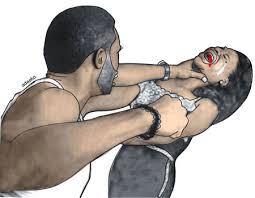
A 30-year-old man identified as Emmanuel Okpara has been arrested in Enugu over the alleged murder of his girlfriend, Chinyere.
The suspect, of Olympic Layout, One-Day, Enugu, allegedly beat his girlfriend to death over argument of who between them infected the other with HIV.
Okpara had allegedly after the murder hidden the remains of the lady in his toilet.
However, his neighbours forced the door to his apartment open and discovered the remains and subsequently alerted the police.
The spokesperson for Enugu Command, SP Daniel Ndukwe, confirmed the incident in a statement on Tuesday.
Ndukwe explained that Chinyere’s surname, age and address had yet to be established.
He stated that the suspect was rescued from an angry mob and detained by police operatives attached to Awkunanaw Division at about 6:30pm on September 21.
He added that “the rescue followed information reaching the police that Okpara had allegedly murdered his girlfriend.
“Preliminary investigation indicates that the suspect allegedly killed the victim on September 19, wrapped her remains in a nylon and locked them inside the toilet of his apartment.
“The offensive odour of the decomposing body subsequently attracted neighbours, who forced the door open and apprehended him before the arrival of the police.
“The remains were evacuated to a mortuary for preservation and autopsy, while efforts are ongoing to trace and notify her relatives,” the statement added.
It further stated that during preliminary interrogation, the suspect confessed to the crime.
Ndukwe explained that the suspect confessed that the incident followed an argument between him and the deceased over allegations of who infected the other with HIV.
He further stated that during the argument, Okpara hit the deceased on the head with a pestle, resulting in her death.
He was alleged to have subsequently wrapped and dumped her remains inside his toilet.
According to Ndukwe, the Commissioner of Police, Mr Mamman Giwa, has ordered the State Criminal Investigation Department (SCID) to conduct a discreet and thorough investigation to establish the circumstances surrounding the incident.
The commissioner directed the SCID to ensure that the suspect was arraigned upon the conclusion of investigations.
He cautioned the public, particularly unsuspecting young women, to inform trusted relatives or friends about their whereabouts and exercise caution about whom they visit or spend time with.
NAN
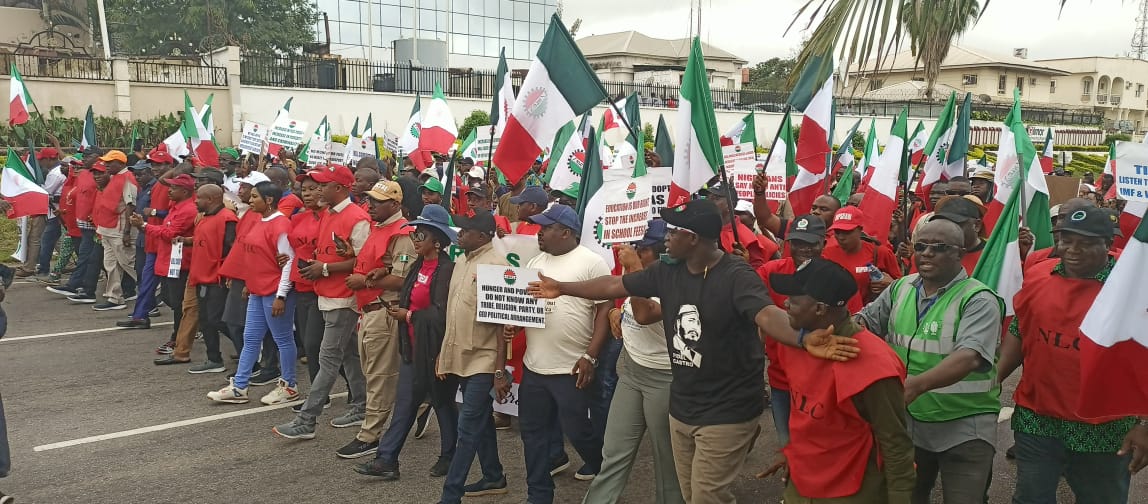
Civil servants under the aegis of Joint National Public Service Negotiating Council, (JNPSNC) trade union side, have written to President Bola Tinubu, seeking an immediate intervention to tackle the worsening economic hardship facing workers.
In a letter addressed to the President, the workers urged the Federal Government to stabilise the price of petrol at N500 per litre, approve an immediate Wage Award and upwardly review salaries and allowances across the public service.
The workers equally demanded the immediate constitution of a committee to negotiate a new National Minimum Wage ahead of January 2027.
According to the workers, the recent increase in fuel prices to N1,430 per litre and above in some locations had further worsened the cost-of-living crisis.
They gave the Federal government until Wednesday, September 30, 2026, to take action on their demands, warning that the prevailing hardship was creating palpable tension among workers and Nigerians.
The workers added that the removal of fuel subsidy three years ago had triggered an astronomical increase in fuel prices and produced multiplier effects on the prices of essential commodities across the economy.
According to the JNPSNC, the situation had made life increasingly unbearable for workers, adding that the provision of food palliatives was not a sustainable solution to the economic crisis.
“It has dawned on Nigerian workers that the provision of palliatives such as bags of rice, Indomie, vegetable oil, garri, among other edible foods, is as good as weaponising Nigerians with poverty because it is a Pyrrhic intervention which is unsustainable, inaccessible to the majority of Nigeria’s population and also limited to political cronies,” the workers said.
They further stressed that a more sustainable intervention would be to reduce the cost of fuel to N500 per litre, stating that the measure would have a multiplier effect across the economy.


