
Personality in Focus
Things Fall Apart Festival 2025: Chimamanda Adichie Calls for Igbo Unity, Honoured by ATPN


- /home/rhoncare/pointblank.ng/wp-content/plugins/mvp-social-buttons/mvp-social-buttons.php on line 27
https://pointblank.ng/wp-content/uploads/2025/07/IMG-20250707-WA0011.jpg&description=Things Fall Apart Festival 2025: Chimamanda Adichie Calls for Igbo Unity, Honoured by ATPN', 'pinterestShare', 'width=750,height=350'); return false;" title="Pin This Post">
- Share
- Tweet /home/rhoncare/pointblank.ng/wp-content/plugins/mvp-social-buttons/mvp-social-buttons.php on line 69
https://pointblank.ng/wp-content/uploads/2025/07/IMG-20250707-WA0011.jpg&description=Things Fall Apart Festival 2025: Chimamanda Adichie Calls for Igbo Unity, Honoured by ATPN', 'pinterestShare', 'width=750,height=350'); return false;" title="Pin This Post">
Global literary icon, Chimamanda Ngozi Adichie, has been inducted as an Honorary Fellow of theAssociation of Tourism Practitioners of Nigeria (ATPN), in recognition of her remarkable contributions to promoting Nigeria’s cultural identity through literature. Her works, which have earned worldwide acclaim, continue to project Nigerian—and particularly Igbo—culture on the global stage.
The honorary induction took place during the Things Fall Apart Festival (TFA) 2025, held in Enugu and organized by the Centre for Memories – Ncheta Ndigbo, with endorsement from the National Council for Arts and Culture (NCAC) and the ATPN, and in partnership with iTour Africa. The festival is a celebration of the legacy of Chinua Achebe’s timeless novel, Things Fall Apart.
Adichie, who chaired the festival, delivered a stirring address that emphasized the urgent need for unity and cultural pride among the Igbo people. Also present at the event were several dignitaries including Sir Ike Chioke, Managing Director of Afrinvest; Sir Emeka Mba, former DG of the Nigerian Broadcasting Commission and founder of Afia TV; and celebrated actor Chief Nkem Owoh (Osuofia).
Speaking on behalf of ATPN National President Omo-Oba Adetunji Femi Fadina, the association’s Deputy President II, Wilson Uche Ugwu, emphasized the vital role of cultural identity in tourism development. He urged Nigerians—especially the Igbo—to take pride in their heritage and support initiatives that preserve and promote indigenous culture. Ugwu also reaffirmed ATPN’s commitment to professionalism among tourism practitioners and the need to avoid distorting Nigeria’s rich history and traditions.
In her keynote speech, Chimamanda Adichie made a powerful call for internal reflection and unity within the Igbo community:
“Ndigbo k’anyi tetalu n’ura. Let us wake up. Ife emebigo n’ala Igbo. Things have fallen apart in Igbo land,” she said. “We often speak of political marginalisation, and indeed any honest assessment of post-war Nigerian history acknowledges that. But before we can truly challenge external forces, we must first ‘clean house.’ We are giving those who want to marginalise us even more reasons to justify their actions.”
She stressed that unity does not mean uniformity but a conscious choice to collaborate for a greater goal despite differences.
“If all governors and senators from the Igbo-speaking states come together and set aside party affiliations, it would bestow a significant bargaining power to influence policies beneficial to the region.”
Adichie also delved into the erosion of Igbo language and identity, lamenting the decline of Igbo literature and the increasing pride in raising children who do not speak their native tongue.
“Languages are beautiful, and the more languages a child can speak, the better. But what’s happening in Igbo land is not about the ability to learn languages—it is about the lack of value for what is ours. Even our naming culture is eroding. We now give names not for their meaning, but for how ‘Western’ they sound.”
She drew parallels with the Germanic tribes, who despite having multiple dialects, united to form a modern German state. In contrast, she warned that internal divisions within Igbo society, often rooted in political rather than cultural identities, are weakening the community.
“Igbo is Igbo. Nobody is more Igbo than another. The distinctions we make today—‘Anambra Igbo,’ ‘Delta Igbo’—are political, not cultural. Our strength lies in our unity.”
The Things Fall Apart Festival 2025 served not only as a celebration of Achebe’s literary genius but also as a rallying point for cultural rebirth and communal introspection. It was a fitting occasion to honour Chimamanda Adichie, a torchbearer of African storytelling and cultural preservation.


The former Director-General of the Nigeria Tourism Development Authority (NTDA), Mr. Folarin Coker, and other tourism stakeholders have called for improved Artificial Intelligence regulations and its transformation for sustainable growth in Nigeria’s tourism and travel sector.
The call was in sequel to the recent technical network glitch involving the Nigeria Centre for Disease Control (NCDC) and the Nigeria International Travel Portal (NITP), which disrupted travel operations and left thousands of inbound and outbound passengers stranded at airports worldwide.
The incident, which reportedly prevented passengers from boarding flights bound for Nigeria, has renewed concerns over the country’s reliance on digital systems and highlighted the need for stronger technological infrastructure, effective regulation and improved AI integration to ensure seamless travel operations and enhance the tourism experience.
Speaking on Villa Square, a special segment of Cre8tive 9Ja, a weekly tourism and culture magazine programme hosted by veteran tourism journalist Frank Meke and Bunmi Bade-Adeniji on Mainland 98.3 FM, Lagos, former Director-General of the Nigeria Tourism Development Authority (NTDA), Folarin Coker, said Nigeria should not confuse digitisation with transformation.
“We should not confuse digitisation with transformation. Putting a broken process online is not reform,” Coker said.
He noted that the country’s ambition should be to make travel easier, improve the productivity of tourism businesses and ensure better management of destinations.
Coker said there was a need to deconstruct the existing system and create an ecosystem in which the necessary structures work effectively before AI is deployed to deepen the passenger experience.
According to him, AI can improve various aspects of travel, including the embassy and visa processes, flight bookings, pricing, arrival experiences, transportation and cultural engagement.
“Artificial Intelligence and technology are being mistaken for true development. It is not about another app or website, but about fixing the things that need to be fixed and setting the standards,” he said.
Also speaking, the Managing Director of Global Links Service, Pastor Chinyere Umeasiegbu, said airline operators were often responsible for flight disruptions.
She urged airline operators to address the recurring issue of flight cancellations, stressing the need for sustainable reforms that do not rely solely on Artificial Intelligence.
Umeasiegbu also called for improved communication between airlines and passengers, advising travellers to take screenshots of messages relating to flight delays and submit them to the appropriate authorities when necessary.
Coker further stated that the government must address fundamental infrastructure challenges, including roads and security, while establishing standards for globally competitive hotel services rather than relying on AI as a substitute for broader development.
“A digitally driven tourism agenda is what most people are using. However, we have a gifted cultural expression that can help amplify our tourism agenda, from music, fashion and food to medical tourism,” he said.
He stressed the need for government to make Nigeria’s tourism experience more accessible by providing the necessary infrastructure and ensuring that tourism products and destinations are easily bookable without technological disruptions.
The Director-General of the National Council for Arts and Culture (NCAC), Obi Asika, disclosed that the council had established a Council for Creative Technology and would soon publish a digital roadmap outlining how Artificial Intelligence could be incorporated into the arts and culture sector.
“We need to enrich Artificial Intelligence with the elements of our culture, our history and our content. We need to do this and put the necessary systems in place because, if we don’t, Artificial Intelligence might not be able to see us,” Asika said.
He explained that the concern was partly linked to the data and content used to train AI systems, noting that African and Black tourism and cultural knowledge needed greater representation.
On the role of AI in food tourism and promoting Nigerian cuisine globally, Chef Shine said the technology could be used to properly document and promote the country’s culinary heritage.
“It is important for us to use AI to document our food properly. AI will not take over our food, nor will AI cook the food,” he said.
“This is the best time to discuss the digital agenda and Artificial Intelligence. We need to use AI to document our food and monetise our cuisine,” he added.
Speaking on the use of AI in promoting Nigeria as a tourism destination, travel and tourism journalist Okorie Uhuru said the technology was already transforming the way destinations and tourism products were marketed.
“The old order of doing things, like packaging a destination tour and marketing tourism, has faded because of Artificial Intelligence. AI has helped us market our tourism to a global audience,” he said.
Uhuru urged tourism stakeholders and individuals to adapt to the technology in order to remain competitive.
“As individuals, you have to make an effort to align with AI to sell your tourism product; otherwise, you will be left behind,” he said.
Professor Wasui Babalola called on the government to develop policies that would help translate technological advancement into economic value.
He said the digital transformation process must retain a human element if it is to contribute meaningfully to the development of Nigeria’s tourism sector.
“The knowledge of the digital process should be given with a human element, and that is when our tourism would improve,” Babalola said.
This piece is contributed by Onyeka Ezike
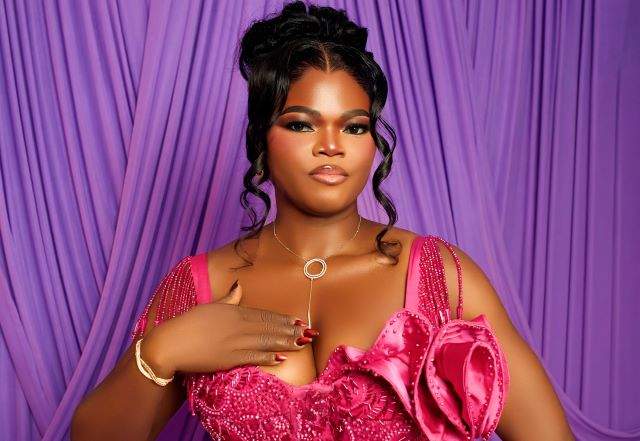
At 40, Jumoke Azeez has reached a milestone that offers her an opportunity to reflect on a journey defined by creativity, resilience, enterprise and an enduring passion for fashion.
The Ibadan-based fashion entrepreneur and Founder/Creative Director of Zeezdesigns clocks 40 on Friday, marking four decades of life and celebrating a growing entrepreneurial journey in Nigeria’s dynamic fashion industry.
For Jumoke, fashion is more than clothing. It is a means of expressing creativity, individuality, confidence and identity.
Through Zeezdesigns, she has steadily built a contemporary fashion brand offering bespoke tailoring, ready-to-wear fashion, fabrics, accessories and fashion training for both men and women.
The journey:
Building a fashion business requires considerably more than the ability to create beautiful clothes. It requires vision, discipline, consistency, customer understanding and the resilience to navigate the challenges of entrepreneurship.
These qualities have shaped Jumoke’s journey.
From her base in Ibadan, Oyo State, she has continued to develop Zeezdesigns as an expression of her creative vision and entrepreneurial ambition.
Her approach has been to combine contemporary style with quality craftsmanship, creating pieces that enable her customers to express their individual personalities while remaining connected to the evolving Nigerian fashion landscape.
Over time, Zeezdesigns has grown beyond the idea of simply making clothes. It has become a brand through which Jumoke continues to explore creativity, fashion and enterprise.
Building from Ibadan:
One defining feature of Jumoke’s story is the decision to build her fashion enterprise from Ibadan.
Nigeria’s fashion industry is increasingly attracting global attention, with Lagos, Abuja and other major cities serving as important centres of fashion and creative enterprise. Yet entrepreneurs such as Jumoke demonstrate that creativity and commercially viable fashion brands can also emerge from other parts of the country.
For her, Ibadan provides both a home and a market from which to develop her vision.
The city has a long history of entrepreneurship, commerce and culture, and Jumoke’s journey adds another dimension to that story: the emergence of contemporary creative businesses driven by individuals who are combining talent with enterprise.
More than a fashion label:
Zeezdesigns has evolved into more than a clothing label. Its offering spans bespoke clothing, ready-to-wear pieces, fabrics and accessories, while Jumoke has also incorporated fashion training into the brand’s activities.
This reflects an entrepreneurial philosophy that looks beyond the creation of individual garments towards building a sustainable fashion enterprise.
For Jumoke, every design represents an opportunity to translate an idea into something tangible — and every customer interaction provides an opportunity to strengthen the brand.
Her entrepreneurial journey has also received recognition, including the Excellence Enterprise Award, while her work and the Zeezdesigns story have attracted media and public attention.
A milestone, not a destination:
Turning 40 represents an important personal milestone, but for Jumoke it is also a moment to look ahead.
The fashion industry continues to change rapidly. Consumer preferences are evolving, social media is transforming how fashion brands reach customers, and Nigerian designers are increasingly looking beyond traditional markets.
These changes present both opportunities and challenges for entrepreneurs.
Jumoke’s ambition is to continue building Zeezdesigns into a distinctive Nigerian fashion brand while remaining faithful to the creativity, quality and individuality that have shaped its journey.
Her story also reflects a broader reality about entrepreneurship in Nigeria: many successful businesses begin with an individual’s talent and determination and gradually evolve into brands with the potential to create value, inspire others and contribute to the creative economy.
Looking ahead:
As she celebrates her 40th birthday, Jumoke Azeez can look back on the journey with gratitude while keeping her attention firmly on what lies ahead.
Her next chapter will be about deepening the Zeezdesigns brand, expanding its reach, developing new creative possibilities and continuing to build a business that reflects her vision.
At 40, the story of Jumoke Azeez is therefore not simply about reaching a birthday milestone.
It is the story of a woman who has chosen to turn creativity into enterprise, passion into a brand, and a personal vision into a growing fashion business.
And from her base in Ibadan, the journey continues.
ABOUT JUMOKE AZEEZ
Jumoke Azeez is a Nigerian fashion entrepreneur and the Founder and Creative Director of Zeezdesigns, a contemporary fashion brand based in Ibadan, Oyo State.
Born on 25th of September, 1986, Jumoke is a graduate of English at Lead City University, Ibadan, Oyo State
Zeezdesigns specialises in bespoke tailoring, ready-to-wear fashion, fabrics, accessories and fashion training for men and women.
Driven by creativity, elegance and exceptional craftsmanship, Jumoke has built Zeezdesigns around a vision of fashion that celebrates individuality, confidence and contemporary Nigerian style.
Instagram/TikTok: @zeezdesigns23
Location: 1, Irepodun Close, Opposite No 1 Hotel by Ososami Junction, Ring Road, Ibadan, Oyo State, Nigeria
Recognition: Excellence Enterprise Award
Or
JUMOKE AZEEZ AT 40: CELEBRATING FOUR DECADES OF CREATIVITY, STYLE AND ENTREPRENEURSHIP
Ibadan-based fashion entrepreneur and Founder/Creative Director of Zeezdesigns, Jumoke Azeez, clocks 40 on Friday, celebrating a milestone defined by creativity, resilience, enterprise and a passion for fashion.
For Jumoke Azeez, turning 40 is more than a birthday milestone. It is a celebration of a journey shaped by creativity, determination, consistency and an enduring commitment to excellence.
The Ibadan-based fashion entrepreneur is the Founder and Creative Director of Zeezdesigns, a contemporary Nigerian fashion brand offering bespoke tailoring, ready-to-wear fashion, fabrics and accessories for both men and women.
Over the years, Jumoke has steadily developed Zeezdesigns into a platform through which she expresses her creative vision and passion for fashion. Her work reflects a commitment to individuality, elegance and contemporary Nigerian style, with each creation designed to combine aesthetics with quality craftsmanship.
Her entrepreneurial journey has also been characterised by resilience. Building a fashion enterprise requires more than creativity; it demands discipline, customer understanding, business management and the ability to continually evolve with changing tastes and trends.
Through Zeezdesigns, Jumoke has continued to transform creative ideas into distinctive fashion pieces while building a brand that reflects her personality and values.
Her work has earned recognition, including the Excellence Enterprise Award, while her entrepreneurial and creative journey has attracted media and public attention.
At 40, Jumoke is also looking beyond the celebration of an individual milestone. Her journey represents the growing contribution of Nigerian entrepreneurs and creative professionals who are building businesses and brands outside the traditional commercial centres.
Based in Ibadan, Oyo State, Zeezdesigns demonstrates the possibilities that exist for creative entrepreneurs to build distinctive brands from Nigeria’s cities and connect with an increasingly sophisticated fashion market.
For Jumoke, fashion is not simply about clothing. It is a means of expressing personality, confidence and individuality.
As she marks her 40th birthday, she looks forward to the next chapter of her journey with the same creativity, determination and commitment to excellence that have defined the Zeezdesigns story.
Jumoke Azeez at 40 is therefore a celebration not only of a birthday, but of creativity, enterprise, resilience and the continuing evolution of a Nigerian fashion brand.
ABOUT ZEEZDESIGNS:
Zeezdesigns is a contemporary fashion brand based in Ibadan, Oyo State, Nigeria, founded and creatively directed by Jumoke Azeez.
The brand specialises in:
• Bespoke tailoring
• Ready-to-wear fashion
• Fabrics
• Fashion accessories
• Fashion training
Location: 1, Irepodun Close, Opposite No 1 Hotel by Ososami Junction, Ring Road, Ibadan, Oyo State, Nigeria
Instagram/TikTok: @zeezdesigns23
Award: Excellence Enterprise Award
Personality in Focus
Aigboje Aig-Imoukhuede @60: Reflecting on a Life of Building Institutions, People and Possibilities

Aigboje Aig-Imoukhuede, today, marks his 60th birthday with a deeply personal reflection on a life shaped by faith, family, service and an enduring commitment to building institutions, people and opportunities.
In a message shared on LinkedIn, Aig-Imoukhuede received the milestone with gratitude to God for life, grace, family, friendship and the privilege of living with purpose.
“Today, I turn 60,” he wrote. “I receive this milestone with profound gratitude to God, for life, for grace, for family, for friendship, and for the privilege of purpose.”
Looking back on the different chapters of his life, Aig-Imoukhuede identified one defining idea that has connected much of his journey: a calling to build.
“To build institutions. To build people. To build opportunities. To help build a stronger Africa,” he stated.
Beyond institutions and opportunities, he said the journey has also been about building a life anchored in faith, family, service and values that will endure beyond any one individual.
Aig-Imoukhuede acknowledged that whatever he has accomplished was made possible by the extraordinary people who accompanied him on the journey. He expressed appreciation to his wife, Ofovwe, their children, family members, friends, colleagues, partners and mentors who challenged, supported and shared in the work.
“Whatever has been accomplished has never been mine alone,” he said. “I have been blessed with extraordinary people who have challenged me, supported me and shared in the work.”
He also paid special tribute to his mother, Pastor Emily, and his close partner, Herbert, whose memories remain an important part of his journey.
Reflecting on his 50th birthday, Aig-Imoukhuede recalled describing himself at the time as “God’s Work in Progress”. A decade later, he said that description remained true.
“The building continues,” he declared.
Rather than regard his 60th birthday as the culmination of his journey, Aig-Imoukhuede sees it as the beginning of another decade of purposeful work and service.
As he looks to the future, his prayer is for God to grant him the grace, wisdom and strength to continue building more intentionally and generously, with an even greater commitment to leaving behind stronger institutions, wider opportunities and transformed lives.
The reflection presents his birthday not simply as a celebration of longevity or accomplishment, but as an opportunity to renew his commitment to service, purpose and impact.
For Aig-Imoukhuede, the work of building is therefore far from complete. His focus remains on creating institutions and opportunities that endure, empowering people and contributing to the emergence of a stronger Africa.
“Sixty years. Deeply thankful. Still building,” he concluded. “To God be all the glory.”
At 60, Aig-Imoukhuede is not looking back with a sense of completion. He is entering a new decade with gratitude for the journey so far and a renewed determination to keep building lives, opportunities and institutions that will outlast him.


