
Metro
Adeleke Briefs Traditional Rulers, Says No Reinstatement of Sacked Chairmen

- /home/rhoncare/pointblank.ng/wp-content/plugins/mvp-social-buttons/mvp-social-buttons.php on line 27
https://pointblank.ng/wp-content/uploads/2025/03/IMG-20250306-WA0118-1000x600.jpg&description=Adeleke Briefs Traditional Rulers, Says No Reinstatement of Sacked Chairmen', 'pinterestShare', 'width=750,height=350'); return false;" title="Pin This Post">
- Share
- Tweet /home/rhoncare/pointblank.ng/wp-content/plugins/mvp-social-buttons/mvp-social-buttons.php on line 69
https://pointblank.ng/wp-content/uploads/2025/03/IMG-20250306-WA0118-1000x600.jpg&description=Adeleke Briefs Traditional Rulers, Says No Reinstatement of Sacked Chairmen', 'pinterestShare', 'width=750,height=350'); return false;" title="Pin This Post">
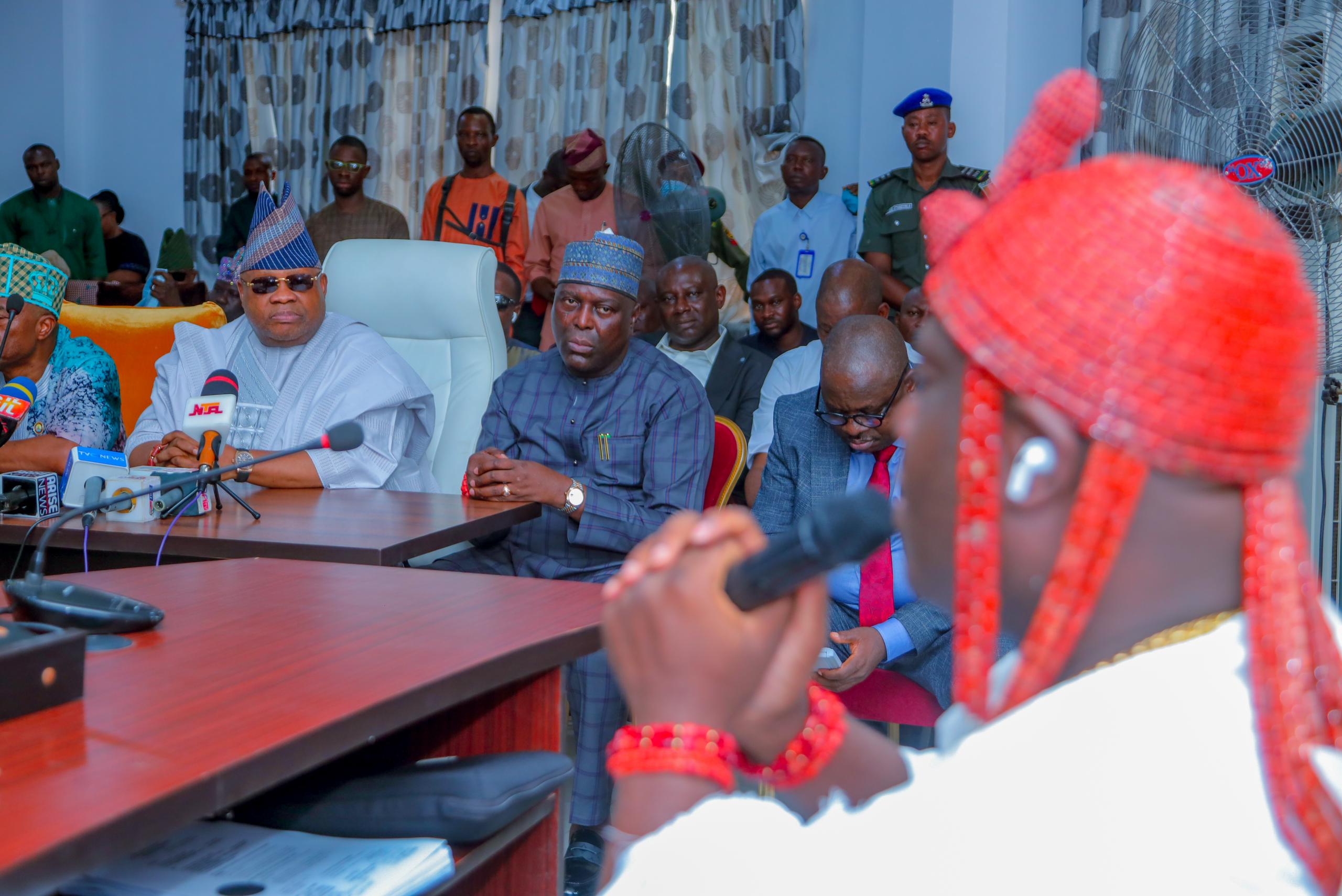
Governor Ademola Adeleke on Thursday held a special briefing session with the Osun State Council of Traditional Rulers, affirming that there is no court order reinstating the court-sacked ‘Yes/No’ council chairmen.
The briefing, according to statement by Mallam Olawale Rasheed, was a continuation of the governor’s statewide consultations with elders and opinion moulders on the recent uproar on the leadership of local governments including a visit to Chief Bisi Akande at his Ibadan residence.
At the meeting attended by top traditional rulers under the chairmanship of the Ooni of Ife, Arole Oodua, His Imperial Majesty, Oba Enitan Adeyeye Ogunwusi, both the Commissioners for Justice (Jimi Wole Bada) and Information (Kolapo Alimi) presented the four judgements to prove to the kings that the court order sacking the chairmen remain valid and in force.
Governor Adeleke in his briefing paper widely shared among the monarchs declared that statesmanship and divine intervention have saved Osun from major calamity, lamenting that “our state just survived a major threat to the democratic space.
“As one of the highly literate communities in Nigeria, we have a duty to avoid misinformation and disinformation, hence my coming here to present all details about the recent local government face off.
“We are all aware that after I defeated Gboyega Oyetola in July 2022, he hurriedly organised a Yes/No local government election. Two political parties, PDP and APP went to Court to challenge the arrangement for the election.
“So there were two separate suits, PDP case was filed before the promulgation of Local Government Election Law of 2022. In both of these cases, the Federal High Court decided that the process and procedure leading to the election was flawed. The court in both cases declared the election null and void and of no consequences and removed the persons who were purported to have been elected through that flawed election.The Court nullified and ordered that those who were purportedly elected vacate the office.
“In the first appeal against the APP judgement which sacked the Yes/No Council chairmen, the APC and the APM filed an appeal but did not pursue the case. They went to sleep as lawyers would say. The respondent in the case which included the PDP, sought to dismount the appeal. So the Court of Appeal dismissed the APC appeal.
“Our fathers, since the appeal was dismissed, the judgement sacking the Yes/No chairmen remains valid. As at today, the sack order has never been vacated by any court of law.
“Now in the second case involving APC V PDP, the Court of Appeal noted that there were four issues for determination and resolved issue 1 and 2 and said; (1) the amendment granted by the Federal High Court when the case was pending was wrong; (2) the second order made by the Court of Appeal in that process was that the case itself was premature and that there was no cause of action. The court consequently resolved that issue 3 and 4 became academic exercise, that is of no value, effect or importance.
“So the Court of Appeal in Akure came to the conclusion that the trial court lacked jurisdiction to have entertained the matter in the first place and then struck out that case that was filled by PDP and made NO ORDER.
“In the 53-page judgment that is in the public domain, there is nowhere an order was made by the Court of Appeal for reinstatement of the sacked chairmen. Even if there was any request for reinstatement, prayer 3 and 4 were described by the Court of Appeal as academic and the court declined to consider them”, Governor Adeleke told the monarchs.
The state governor told the royal fathers that “Osun state was ambushed suddenly by elements within the All Progressives Congress (APC) whose agenda was to burn down the state. Without any basis or foundation in law, the APC executed a deadly plot.
“The evil agenda is to illegally take over the council secretariats based on a court of appeal ruling that has no consequential orders nor contain anything about reinstatement of sacked chairmen.
“I immediately alerted the nation and security agencies in a national broadcast. Yet, nothing was done. We lost seven residents with several others injured. As a responsible leader, I ordered all parties to stay away from the secretariats. PDP members obeyed and the APC Yes /No chairmen defied the directive.
“As if that was not enough, we were shocked to read from the Attorney General of the Federation, advising us to comply with a non-existing court order. Same advice was extended to us by the Inspector General of Police.
“We were in the midst of all these when an order of the state high court mandated the electoral commission to fill the vacancies occasioned by the earlier sack of the yes/No chairmen. The court also ordered security agencies to provide security for the elections.
“Our royal fathers, the local government election was validly held despite intimidation and harassment by security operatives who were taking directives from Mr Oyetola. We have now filled the vacancies in line with the electoral act, court judgements and the constitution of the country.
“I have proceeded to direct the elected officials to stay away from the councils. Our approach is to apply rule of law instead of self help to get the illegal occupants of the Secretariats out of the way. We will not resort to violence. We will allow the law to take its full course.
“I was informed that the newly elected council chiefs and local government workers have dragged the illegal occupants of the council secretariats to court. We await court hearings and rulings.
“We are worried as a government because if you have a court judgement in your favour, there is a procedure for enforcement. The court has a process for enforcement. That process has no room for brigandary and self help as the APC Yes/No chairmen are doing.
“Secondly, why did APC refuse to pursue the appeal filed against the APP judgement that sacked its chairmen? Why did the APC fail to appeal to the Supreme Court when its appeal was struck out by the Court of Appeal?
“In the case of Akure appeal court ruling, PDP has nothing to appeal against to the Supreme Court as there was no consequential order and as the court has directly ignored reinstatement request as mere academic exercise.
“Thirdly, the Supreme Court ruling on Rivers local government election has clearly confirmed that the Osun Yes/No election was conducted in violation of the electoral act and therefore remains null and void. The latest judgement of the apex court affirm that there is no legal ground for the Yes/No chairmen to continue to illegally occupy the secretariats.
“Our royal fathers, you have all the facts before you. There is no reinstatement order as you can see. The Supreme Court came on time to validate the judgement of the Federal High Court which sacked those elected in violation of the electoral act.
“I appeal to our royal fathers to further educate their subjects on the facts of the controversies. We are a community of enlightened citizenry. We should not allow fake news to be weaponized to destroy our dear state”, the Governor noted in his address.
The royal fathers expressed appreciation and support for the state Governor and resolved to educate their subjects and also pass the message to President Bola Ahmed Tinubu.


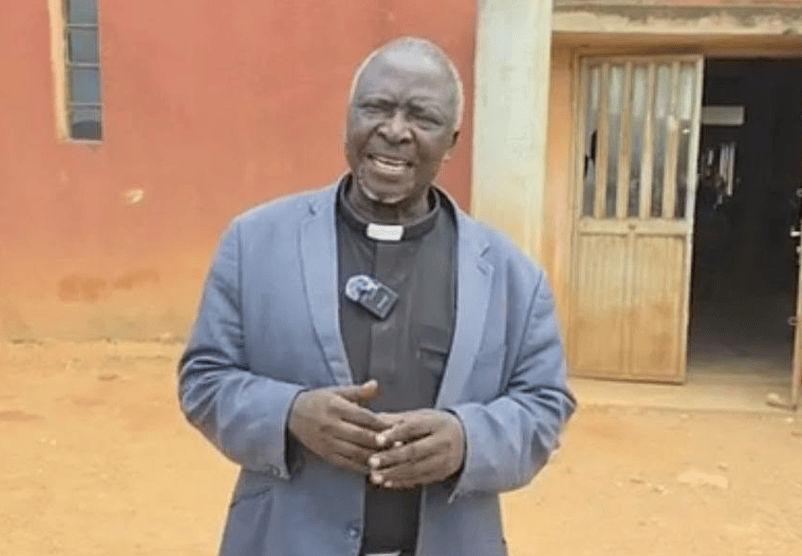
The Regional Chairman of Church of Christ in Nations (COCIN), Barkin Ladi Local Government Area of Plateau State, Rev. Ezekiel Dachomo, has denied reports that he prayed for the re-election of President Bola Tinubu and Vice President Kashim Shettima in the 2027 presidential election.
Dachomo, who is currently in Israel on what he described as his first International Christian Advocacy Tour, said his visit was aimed at drawing the attention of world leaders to the plight of Christians in Plateau.
The cleric made the clarification in a social media post on Monday night following reports that he had prayed for the success of the All Progressives Congress (APC) presidential ticket and expressed support for the Muslim-Muslim ticket.
Dachomo said his earlier post, in which he prayed for Nigeria, had been misconstrued as an endorsement of Tinubu and Shettima ahead of the 2027 election.
According to him, there was nowhere in the post where he prayed for the President and Vice-President to win the election.
“People are trying to frame me, saying I prayed for a Muslim-Muslim ticket. But I did not, and I will never pray for a Muslim-Muslim ticket because Nigeria belongs to both Muslims and Christians,” he said.
Dachomo said his prayers were for the well-being and success of Nigeria and its citizens, irrespective of their religious affiliations.
“I pray for both Muslims and Christians in Nigeria. I pray for Nigeria to succeed. If you truly want to come to God, come with a clean heart,” he added.
The cleric further stated, “I did not pray for President Tinubu and Vice President Shettima to win in 2027. My prayers have always been for Nigeria to succeed.”
Dachomo’s clarification came amid reactions to his ongoing advocacy tour in Israel, where he is seeking international attention to security challenges and what he described as the persecution of Christians in Plateau.
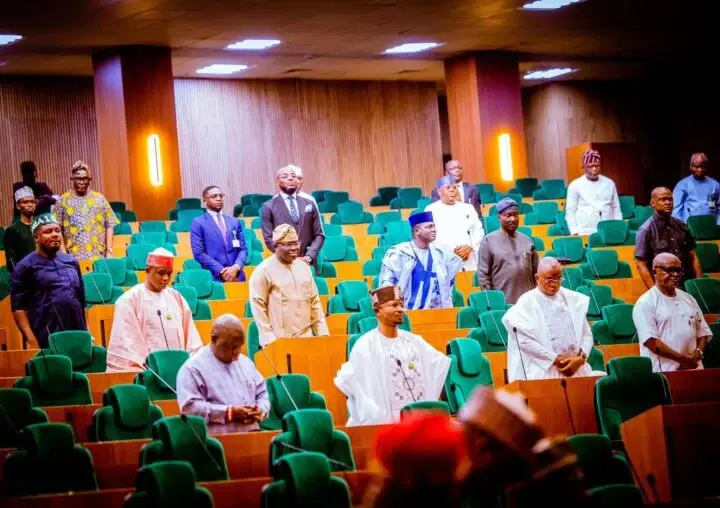
Ahead of the 2027 election, the House of Representatives Committee on Electoral Matters has urged the Independent National Electoral Commission (INEC) to disqualify candidates whose names are not contained in political party registers, as stipulated by the Electoral Act 2026.
In a statement on Tuesday, the Chairman of the committee, Bayo Balogun, drew the commission’s attention to a Supreme Court ruling on Sections 77(5), 77(6) and 77(7) and called for their full enforcement across all political parties.
Balogun, a member of the All Progressives Congress, APC, said that pending legal proceedings concerning the interpretation, constitutionality and enforceability of the sections had been resolved by virtue of the Supreme Court judgment.
The lawmaker recalled that the Supreme Court, on September 24, 2026, restored the provisions after setting aside the Court of Appeal judgment that had declared them unconstitutional.
According to him, the apex court held that the provisions were not inconsistent with the 1999 Constitution.
Balogun explained that Section 77(5) provides that only members whose names are contained in the membership register submitted to INEC are eligible to vote or be voted for at party primaries, congresses and conventions.
He said that Section 77(6) requires political parties to use the register submitted to the electoral umpire for such exercises.
Balogun urged INEC to proceed without further delay to enforce Sections 77(4) to 77(6) in the administration and monitoring of political parties and their electoral activities.
He further urged the commission to audit the membership registers and candidates submitted by political parties to establish whether the names of the candidates are contained in the registers earlier submitted to INEC in compliance with Section 77(5).
“This will be a litmus test for the commission – any culpable political party and candidates should be disqualified.
“Diligent enforcement of the provision would help prevent disputes and reduce the volume of litigation that could arise from alleged irregularities or non-compliance with Sections 77(4) to 77(6) of the Electoral Act,” Balogun said.
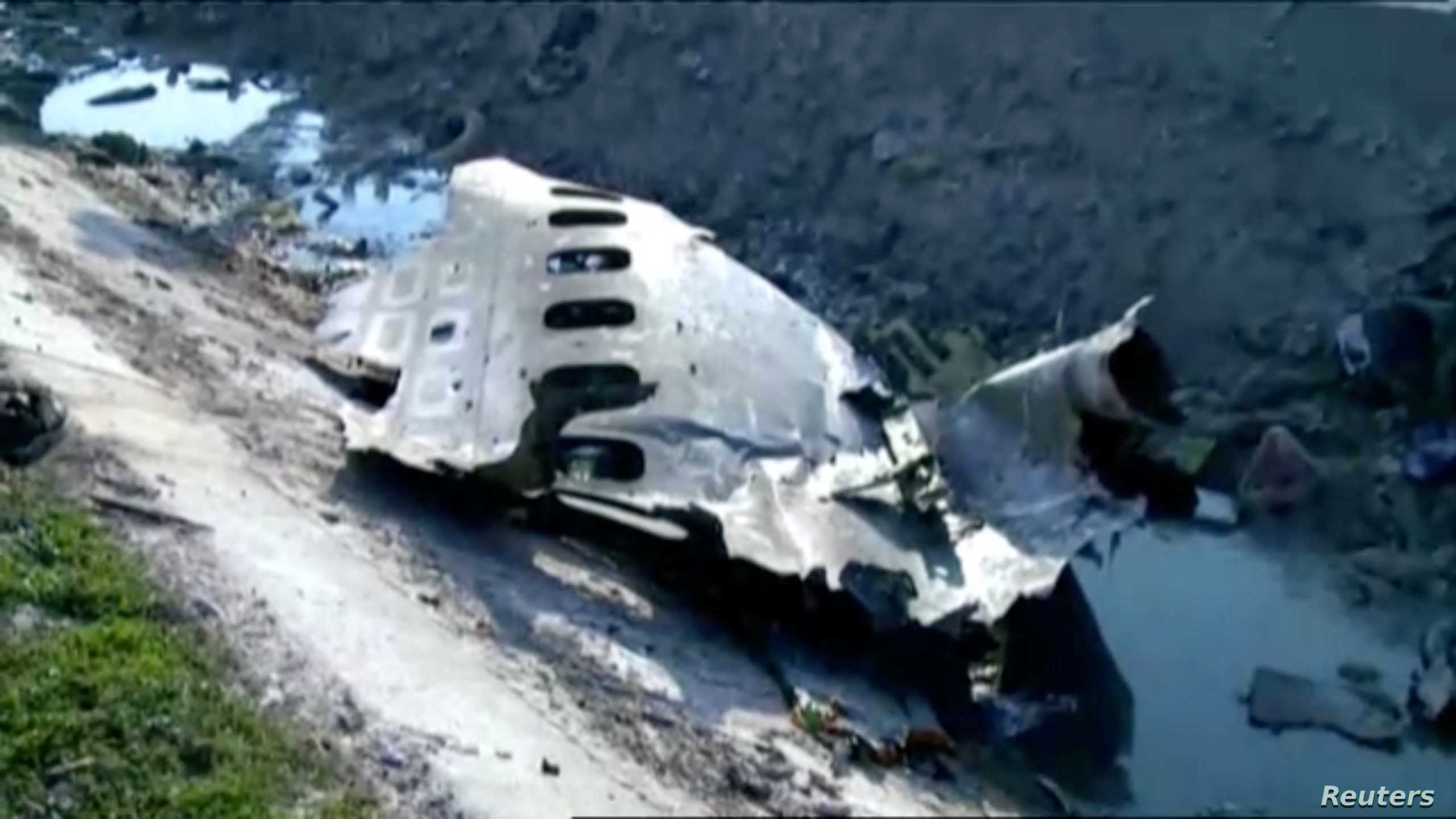
An helicopter crashed into a swamp near Naval Base in Igbokoda, the headquarters of Ilaje Local Government Area of Ondo State, on Monday.
The incident occurred at about 11.00a.m during heavy down pour, throwing the coastal community into panic.
The number of people on board of the helicopter was yet to be officially confirmed, while the condition of possible survivors cannot be confirmed.
Confirming the incident, Maurice Oripenaiye, the Chairman of the local government, told the News Agency of Nigeria (NAN) in a telephone interview that he could not ascertain the number of the victims.
Oripenaye also said he was yet to ascertain the identity of the crashed helicopter and the passengers.
“It happened during the heavy rainfall at about 11.00a.m. I cannot confirm the number of the people on board. I have deployed some youths to the area for rescue purpose,” he told NAN.
Similarly, the Police Command in Ondo State while confirming the crash, said details surrounding the incident were still emerging.
The command in a statement by its spokesperson, Abayomi Jimoh, a deputy superintendent of police, in Akure, said efforts were ongoing to establish the full circumstances surrounding the crash.
“The command urges members of the public, particularly residents of Igbokoda and adjoining communities, to remain calm and refrain from circulating unverified information.
“The public will be duly informed as soon as further credible information becomes available,” it stated.
(NAN)


