
Personality in Focus
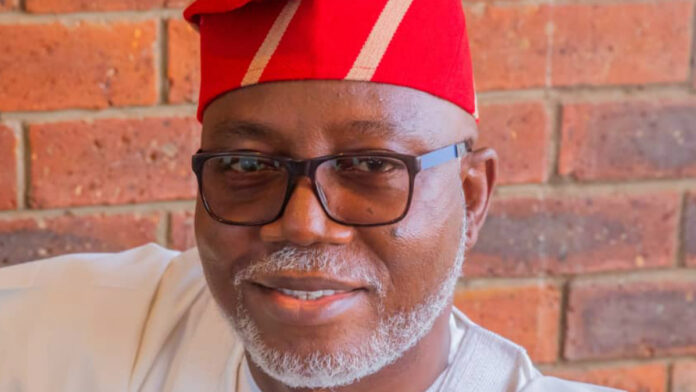
Aiyedatiwa, the Man from the Backwaters at 61: Focusing on Legacy

- /home/rhoncare/pointblank.ng/wp-content/plugins/mvp-social-buttons/mvp-social-buttons.php on line 27
https://pointblank.ng/wp-content/uploads/2023/09/Ondo-deputy-governor-Lucky-Aiyedatiwa-696x392-1.jpg&description=Aiyedatiwa, the Man from the Backwaters at 61: Focusing on Legacy', 'pinterestShare', 'width=750,height=350'); return false;" title="Pin This Post">
- Share
- Tweet /home/rhoncare/pointblank.ng/wp-content/plugins/mvp-social-buttons/mvp-social-buttons.php on line 69
https://pointblank.ng/wp-content/uploads/2023/09/Ondo-deputy-governor-Lucky-Aiyedatiwa-696x392-1.jpg&description=Aiyedatiwa, the Man from the Backwaters at 61: Focusing on Legacy', 'pinterestShare', 'width=750,height=350'); return false;" title="Pin This Post">
By Idowu Ajanaku
“Governor Aiyedatiwa’s contributions to the progress, growth and development of Ondo State, formerly as Deputy Governor, Acting Governor, and now Governor, are a pragmatic testament to his visionary leadership and passion for public service” – Gov Babajide Sanwo-Olu
Call him a jinx-breaker of some sort, a history-maker or better still, a trail blazer and you might not be far from the truth. In fact, his intriguing yet, inspiring life trajectory resonates with that of great leaders, who as John Harold Johnson, the creative mind behind the popular Ebony Magazine referred to as those who have taught the world that ” the greater the obstacles we overcome in life, the greater the glory we achieve”. But who really is the subject of this tribute? That is the million- naira question
Good enough, the answer is right here before us as he is none other than Dr. Lucky Orimisan Aiyedatiwa (born 12 January 1965), the first Ondo citizen from the backwaters of the coastal Ilaje community to mount the prestigious pedestal as the executive governor of the acclaimed Sunshine State. An astute businessman and people- oriented politician, who as fate would have it has served as governor of Ondo state since 2023. Before then he was the deputy governor of Ondo State from 2021 to 2023 under Governor Rotimi Akeredolu (of blessed memory ). But what has defined his sterling leadership capacity are the outstanding capabilities to bridge the gap between the people’s most pressing needs and government’s popular policies. Interestingly, these are amplified by the achievements especially in the critical areas of security, infrastructural development, agriculture, education, healthcare delivery, youth development, job creation, transportation and tourism.
His is therefore, a true testament of a leadership with character, commitment, consistency and of course, the courage to dare whatever odds he finds along the way. And to do so, he has taken those challenges as hurdles to rise above; scale over and keep moving along the crooked paths that have eventually taken him to the governorship glory, that he is reckoned with as at this day. That rhymes with the thoughts of the iconic Chinese martial arts sports gem, Bruce Lee who explained the wisdom in turning one’s challenges as stepping stones to greater heights. As Roger Crawford rightly noted: “Being challenged in life is inevitable, but being defeated is optional”. Aiyedatiwa made the right choice.
So good that this has been amply reflected with regards to his praiseworthy achievements, ever since his Inauguration on February 24, 2025 he has kept to the tenets of the 1999 constitution that the primary purpose of government include the guarantee of security and provision of welfare to the citizenry ( Section 14 (2) (b) ). His administration has therefore, strengthened securiity by completing the second phase of utility vehicle distribution to security agencies which has increased mobility and rapid response of the security operatives, Amotekun inclusive. Also, additional funds were released to support security operations across the state, ensuring greater safety for residents and their businesses processes.
With resoluteness of purpose combined with
resilience, creativity and being futuristic
in vision and action he and his able team have turned Ondo state into a construction site, indeed an industrial hub of the country, Nigeria. On infrastructural development for which he keeps receiving accolades, his administration’s resolve to revive and complete several abandoned projects left behind by previous governments is praiseworthy. So is the construction of the 7km road at Gbangbabalogun axis at Akure stands out. There is also the reconstruction and rehabilitation of over 60 kilometers of roads across various parts of the state . Apart from their even distribution, this salutary effort is making transportation easier for the citizens while improving access to economic and social opportunities. All these are worthy of commendation.
So is the rehabilitation and reconstruction of selected roads, totaling 60 kilometers, reducing travel time and improving connectivity.The administration has flagged off the dualisation of the Akure–Idanre Road, a critical route that supports commerce and tourism.
When it comes to educational development, the employment of over 2,000 teachers in both primary and secondary schools in addition to the construction and renovation of schools have cumulatively boosted quality education delivery. This would eventually reduce unemployment by providing jobs for several youths. Furthermore, to ease the financial burden on families, the government paid ₦633 million to cover the WAEC fees of 23,000 secondary school students. This noble initiative ensures that no child is left behind due to economic challenges. On the improvement of learning resource, the state introduced a 1:1 textbook-to-learner policy, ensuring that every pupil has access to core learning materials. In addition, books, tablets, and sports equipment were distributed to elementary schools to promote holistic education.The expected spin-off effects point to a brighter future.
In fact, one remarkable policy implementation is his prudent financial management of state funds. Apart from ensuring that all political appointees declare their assets to curb corruption Ondo State recorded an 82.6% reduction in its domestic debt profile, the highest percentage in the country.This reflects fiscal discipline and effective debt management strategies. And has gone a long way in stabilizing the financial system and restoring confidence in the state’s economy.
In a similar vein, in the health sector, the governor’s intervention in upgrading 102 health centres has largely improved access to primary healthcare delivery. In addition, a modern drug warehouse was commissioned in Akure, designed to improve the availability and distribution of essential drugs to health facilities across the state. The ongoing rehabilitation of 50 primary healthcare facilities is underway across different communities, strengthening the grassroots health system and improving access to essential care
Pointing the way to agriculture, over the years Ondo state has stood out with vibrant vision for food security, availability, and rural development. As the major cocoa producer in Nigeria, there is growing focus on chocolate processing, with several initiatives aimed at boosting local value addition. The state government and private investors have been developing cocoa processing facilities, including the Johnvents Cocoa Processing Factory, to increase the amount of cocoa processed locally. Also, on Agriculture and Youth Empowerment, investors were engaged in the agriculture and agribusiness sectors, while 100 youths received training in modern farming techniques, boosting food security and employment opportunities. That is in addition to acquiring 10,000 hectares of land to position agriculture as a key driver of economic growth of the state.
On the indusrrial landscape the state is actively pursuing the development of a deep-sea port at Araromi Seaside, also known as the Ondo Sea Port. This project is considered a key part of the state’s economic development strategy, with plans including a 75-kilometer stretch of unbroken Atlantic coastline and an adjacent Free Trade Zone. The deep-sea port is envisioned to be located two kilometers offshore. The governor has also emphasized the need for synergy among security agencies to protect border communities, which is likely related to the port development and its potential impact on the region.
One unique attribute of this administration is that of empowering women to ensure gender parity and equity In the light of this, grants were distributed to 1,000 low-income women to support small-scale businesses and income-generating activities. This has significantly assisted to reduce poverty and promote financial independence.
In all of these, the governors’ landmark achievements keep receiving well deserved commendations from within and outside the state because they are people- focused; they enjoy equitable distribution across Ondo state and have positively impacted on their Human Development Index ( HDI ). And as a grateful personality who spends quality time actively engaged in praising God every last Friday of the month there can only be more glorious years ahead.
Big congratulations!
Idowu Ajanaku is Commissioner for Information and Orientation, Ondo State


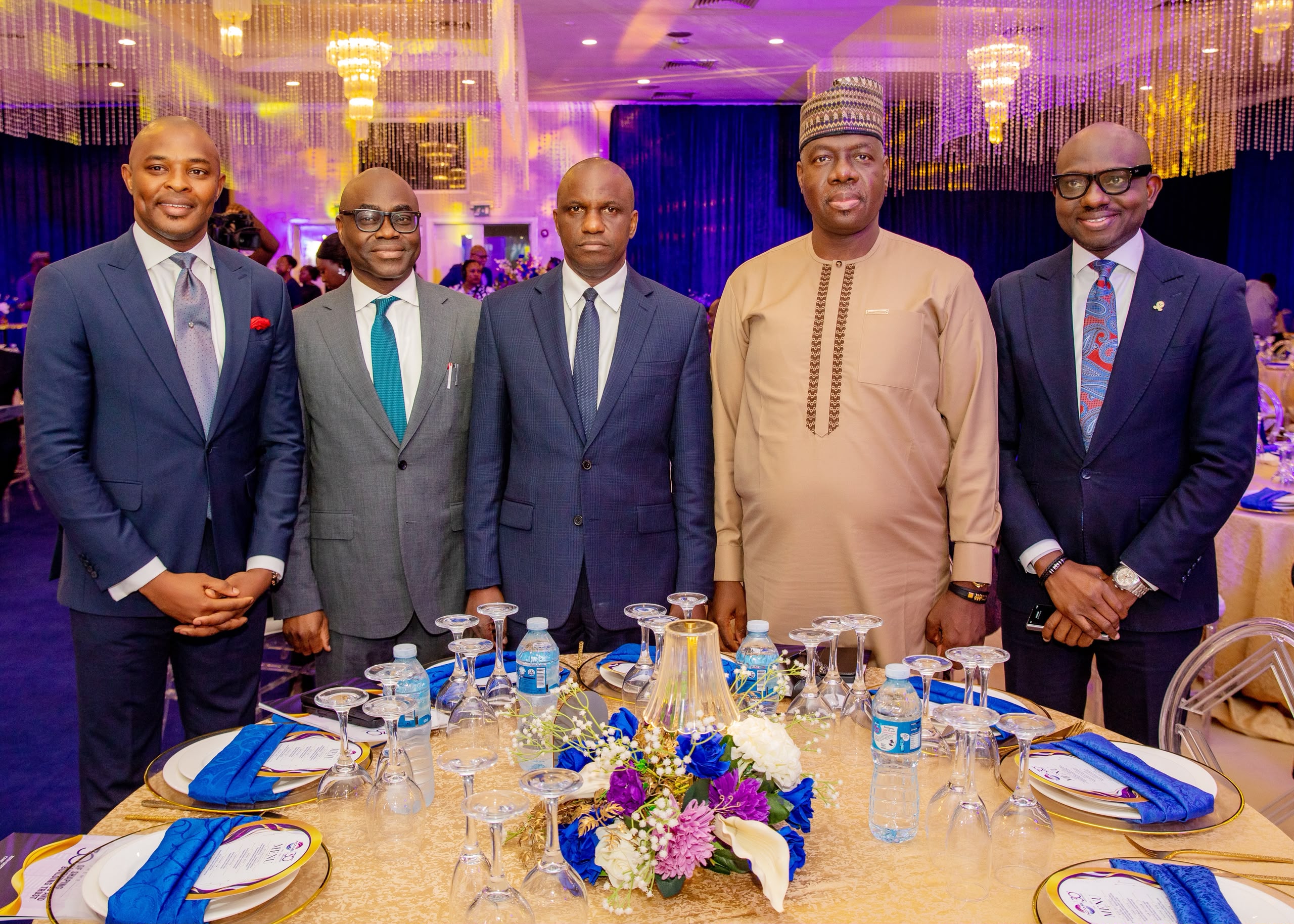
Association of Corporate Communication and Marketing Professionals in Banks (ACAMB) has marked 30 years of shaping narratives and building trust in Nigeria’s banking industry, with regulators and industry leaders calling on communication professionals to make credibility, clarity, Innovation and ethical conduct central to the future of financial services.
The association celebrated the milestone at an anniversary gala night in Lagos on September 30, 2026, bringing together, senior officials of the Central Bank of Nigeria (CBN), the Chartered Institute of Bankers of Nigeria (CIBN), the Nigeria Inter-Bank Settlement System (NIBSS), United Bank for Africa (UBA), Optimus Bank and industry leaders alongside communication and marketing heads, from banks across the country.
Speaking at the event, President of ACAMB, Jide Sipe, said, over three decades, the association has played and continued to play a critical role in helping banks communicate with the public, manage crises and protect institutional reputation.
“For 30 years, our members have stood between the banks and the public they serve. They explain policy, manage crises and protect reputations, often under intense pressure and in real time,” Sipe said.
“We have remained consistent, from gatekeepers to strategic drivers in actualising growth, positive brand perception, aligning business values to customer needs, customer satisfaction and loyalty”
All this have to great extent catalysed the growth trajectory of the financial sector and to that, we feel a sense of pride, worthy of celebration,
He said the association would continue to strengthen the capacity of its members as the communications profession evolves, with greater focus on artificial intelligence, data and digital media, as well as mentorship for young professionals entering the industry.
“Though the tools have changed since 1996, but the mandate remains same. We continue to earn trust, one credible message at a time, and we will guard it with the same discipline for the next 30 years and beyond,” he added.
While giving his address, Chairman of the occasion and 24th President of CIBN, Dele Alabi, described ACAMB’s 30-year journey as a testament to perseverance, professionalism and one that made far reaching impact the financial services industry should be proud of.
Alabi, who also commended Sipe’s leadership and recalled their years together at Ecobank Group, said ACAMB had helped strengthen communication, reputation and trust across the banking sector.
“Thirty years of shaping narratives and building trust reflects ACAMB’s critical role in strengthening communication, enhancing reputation and fostering trust across the financial services industry,” he said.
He urged communication professionals to embrace innovation without compromising ethics, in line with the CIBN’s IMPACT vision, which is built around inclusion, membership, professionalism and ethical conduct, accountability, competences & skills, and technology.
Representing the Deputy Governor of the CBN, Philip Ikeazor, the Acting Director, Corporate Communications and Investor Relations, Hakama Sidi Ali, said the banking industry was moving beyond stabilisation towards broader institutional transformation.
She challenged communication professionals to prioritise clarity over cleverness and to view customers as the ultimate test of the effectiveness and credibility of their communication.
“The credibility you carry into a crisis is built in quiet periods,” she said.
Delivering the keynote address, Managing Director/Chief Executive Officer of NIBSS, Premier Oiwoh, said the growth of digital banking had made trust even more critical, as financial services increasingly moved to mobile and digital platforms.
He noted that NIBSS had built Africa’s first mature instant payment system 15 years ago, adding that the evolution of digital banking had made trust a fundamental requirement for the continued growth of the financial system.
“Banking is all about trust. Without trust, banking cannot stand,” Oiwoh said.
Delivering a goodwill message on behalf of the Group Managing Director/CEO of UBA, Oliver Alawuba, the bank’s Group Head, Marketing and Corporate Communications, Alero Ladipo, commended ACAMB for creating a platform that brings communication professionals together across competing institutions.
“Thirty years is more than a milestone. It is evidence of relevance, resilience and the ability to evolve,” Ladipo said.
She noted that while banks compete in the market, communication professionals have a shared responsibility to strengthen confidence in the banking industry and maintain public trust in the financial system.
“Competition may separate us in the market, but there are moments when the industry must speak with a shared sense of responsibility,” she added.
Managing Director/CEO, Optimus Bank, Ademola Odeyemi, also commended ACAMB for it’s yeoman contributions over the years and shared vision, it has continued to effectively articulate on behalf of the banks, a feat that has helped the financial sector thrive collectively.
The anniversary celebration also featured networking sessions and recognition of professionals who have contributed to the growth of banking communication in Nigeria over the past three decades.
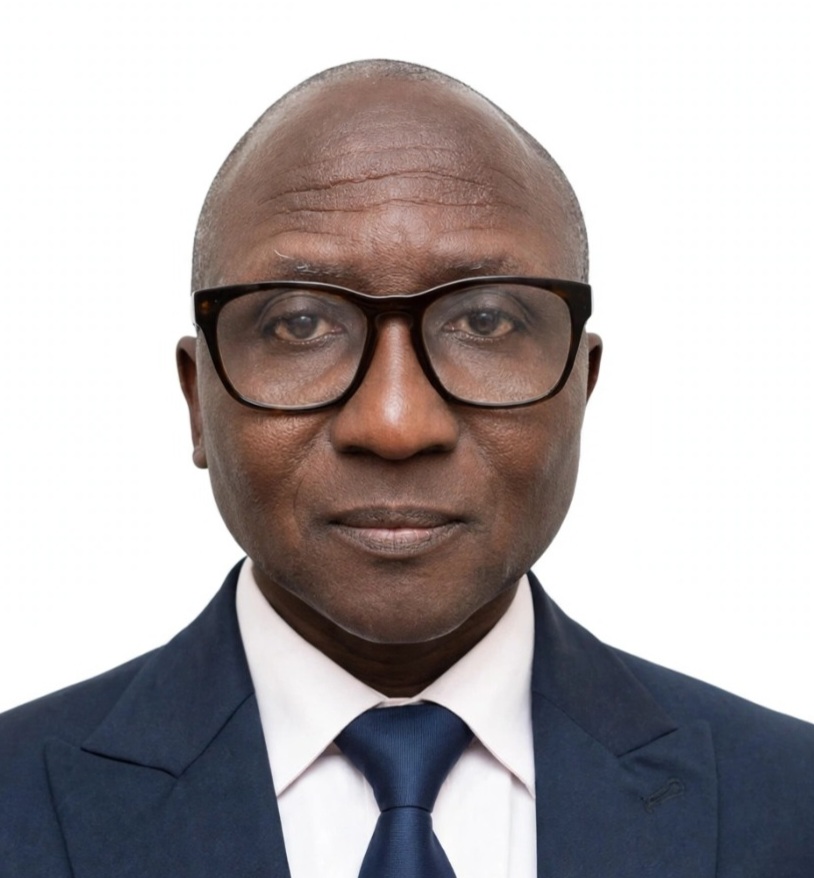
The West African Examinations Council, WAEC, has appointed Dr Amos Josiah Dangut as its new Registrar and Chief Executive Officer.
Dangut served as Head of the Nigeria National Office from October 2023 until September 2026.
In a statement on Thursday by the Head of Public Affairs, WAEC Headquarters, Accra, Demianus G. Ojijeogu, the Council said Dangut, a Nigerian, will serve a five-year tenure from October 2026 to September 2031. He succeeds Alhaji Pateh Bah of The Gambia.
His appointment was ratified by Council, the international governing board of WAEC, at its 74th Annual Meeting held in Accra, Ghana, in March 2026. He assumed office as the 14th Registrar to Council on October 1, 2026.
Born on October 2, 1967, Dangut holds a Bachelor of Agriculture in Animal Production (1991), Master of Science in Animal Science (1994), Doctor of Philosophy in Animal Science (2017), and Master of Education in Administration and Planning (2020).
He began his career in education in 1994 at St. Louis College, Jos, where he served as a WAEC examiner before joining the Council in 1998.
An astute test developer and administrator, he has served in various capacities, including Assistant Registrar, Test Development Division, Ogba, Lagos; Head of Examinations Security and Deputy Branch Controller, Uyo and Bauchi; Branch Controller, Yola; Controller, Post-Examinations Department; Zonal Coordinator, Ikeja; and Deputy Registrar, Head of National Office.
With over two decades of experience, Dangut is noted for leveraging Information and Communications Technology to improve test development, administration and post-test activities.
As Head of National Office, he championed key innovations including the rollout of Computer-Based WASSCE, serialization of question papers and introduction of a Digital Electronic Marking System. He also oversaw the Digital Certificate Portal, WAEC E-Study Platform, Digital Records Archive, and systems for examination logistics and monitoring of examiners.
During his career, he received commendation from the Nigeria Examinations Committee for his handling of examination matters from 2000 to 2006, and an Award for Meritorious Service from the Ondo State Government during his NYSC year.
He has served on the boards of the Nigerian Educational Research and Development Council, NERDC, Joint Universities Preliminary Examinations Board, JUPEB, Joint Admissions and Matriculation Board, JAMB, and Grange Educational Foundation, and represented WAEC at the Joint Consultative Committee on Education and the National Council on Education.
Dangut has publications in international and national journals and has presented papers at several conferences. He is currently the Regional Representative of the West African Sub-region on the Executive Board of the Association for Educational Assessment in Africa, AEAA.
He is a Fellow of the Science Teachers Association of Nigeria, STAN, and member of the Nigeria Institute of Management, NIM.

The former Director-General of the Nigeria Tourism Development Authority (NTDA), Mr. Folarin Coker, and other tourism stakeholders have called for improved Artificial Intelligence regulations and its transformation for sustainable growth in Nigeria’s tourism and travel sector.
The call was in sequel to the recent technical network glitch involving the Nigeria Centre for Disease Control (NCDC) and the Nigeria International Travel Portal (NITP), which disrupted travel operations and left thousands of inbound and outbound passengers stranded at airports worldwide.
The incident, which reportedly prevented passengers from boarding flights bound for Nigeria, has renewed concerns over the country’s reliance on digital systems and highlighted the need for stronger technological infrastructure, effective regulation and improved AI integration to ensure seamless travel operations and enhance the tourism experience.
Speaking on Villa Square, a special segment of Cre8tive 9Ja, a weekly tourism and culture magazine programme hosted by veteran tourism journalist Frank Meke and Bunmi Bade-Adeniji on Mainland 98.3 FM, Lagos, former Director-General of the Nigeria Tourism Development Authority (NTDA), Folarin Coker, said Nigeria should not confuse digitisation with transformation.
“We should not confuse digitisation with transformation. Putting a broken process online is not reform,” Coker said.
He noted that the country’s ambition should be to make travel easier, improve the productivity of tourism businesses and ensure better management of destinations.
Coker said there was a need to deconstruct the existing system and create an ecosystem in which the necessary structures work effectively before AI is deployed to deepen the passenger experience.
According to him, AI can improve various aspects of travel, including the embassy and visa processes, flight bookings, pricing, arrival experiences, transportation and cultural engagement.
“Artificial Intelligence and technology are being mistaken for true development. It is not about another app or website, but about fixing the things that need to be fixed and setting the standards,” he said.
Also speaking, the Managing Director of Global Links Service, Pastor Chinyere Umeasiegbu, said airline operators were often responsible for flight disruptions.
She urged airline operators to address the recurring issue of flight cancellations, stressing the need for sustainable reforms that do not rely solely on Artificial Intelligence.
Umeasiegbu also called for improved communication between airlines and passengers, advising travellers to take screenshots of messages relating to flight delays and submit them to the appropriate authorities when necessary.
Coker further stated that the government must address fundamental infrastructure challenges, including roads and security, while establishing standards for globally competitive hotel services rather than relying on AI as a substitute for broader development.
“A digitally driven tourism agenda is what most people are using. However, we have a gifted cultural expression that can help amplify our tourism agenda, from music, fashion and food to medical tourism,” he said.
He stressed the need for government to make Nigeria’s tourism experience more accessible by providing the necessary infrastructure and ensuring that tourism products and destinations are easily bookable without technological disruptions.
The Director-General of the National Council for Arts and Culture (NCAC), Obi Asika, disclosed that the council had established a Council for Creative Technology and would soon publish a digital roadmap outlining how Artificial Intelligence could be incorporated into the arts and culture sector.
“We need to enrich Artificial Intelligence with the elements of our culture, our history and our content. We need to do this and put the necessary systems in place because, if we don’t, Artificial Intelligence might not be able to see us,” Asika said.
He explained that the concern was partly linked to the data and content used to train AI systems, noting that African and Black tourism and cultural knowledge needed greater representation.
On the role of AI in food tourism and promoting Nigerian cuisine globally, Chef Shine said the technology could be used to properly document and promote the country’s culinary heritage.
“It is important for us to use AI to document our food properly. AI will not take over our food, nor will AI cook the food,” he said.
“This is the best time to discuss the digital agenda and Artificial Intelligence. We need to use AI to document our food and monetise our cuisine,” he added.
Speaking on the use of AI in promoting Nigeria as a tourism destination, travel and tourism journalist Okorie Uhuru said the technology was already transforming the way destinations and tourism products were marketed.
“The old order of doing things, like packaging a destination tour and marketing tourism, has faded because of Artificial Intelligence. AI has helped us market our tourism to a global audience,” he said.
Uhuru urged tourism stakeholders and individuals to adapt to the technology in order to remain competitive.
“As individuals, you have to make an effort to align with AI to sell your tourism product; otherwise, you will be left behind,” he said.
Professor Wasui Babalola called on the government to develop policies that would help translate technological advancement into economic value.
He said the digital transformation process must retain a human element if it is to contribute meaningfully to the development of Nigeria’s tourism sector.
“The knowledge of the digital process should be given with a human element, and that is when our tourism would improve,” Babalola said.
This piece is contributed by Onyeka Ezike


