Business
Green Finance and Sustainability: UBA Launches Group-Wide Climate Action Week


- /home/rhoncare/pointblank.ng/wp-content/plugins/mvp-social-buttons/mvp-social-buttons.php on line 27
https://pointblank.ng/wp-content/uploads/2026/10/IMG-20261026-WA0050-819x600.jpg&description=Green Finance and Sustainability: UBA Launches Group-Wide Climate Action Week', 'pinterestShare', 'width=750,height=350'); return false;" title="Pin This Post">
- Share
- Tweet /home/rhoncare/pointblank.ng/wp-content/plugins/mvp-social-buttons/mvp-social-buttons.php on line 69
https://pointblank.ng/wp-content/uploads/2026/10/IMG-20261026-WA0050-819x600.jpg&description=Green Finance and Sustainability: UBA Launches Group-Wide Climate Action Week', 'pinterestShare', 'width=750,height=350'); return false;" title="Pin This Post">
Africa’s Global Bank, United Bank for Africa (UBA) Plc, has launched a Group-wide Climate Action Week to deepen climate awareness, promote responsible environmental practices and advance sustainable finance across its African and international operations.
The five-day campaign, running from October 26 to 30, 2026, is themed “Banking on Africa’s Climate Future” and reflects the Bank’s commitment to integrating environmental responsibility into its operations, customer engagement and financing solutions.
The initiative commenced with the deployment of waste segregation bins across UBA offices and measures to reduce the use of single-use plastics at the Bank’s head offices. These activities underscore UBA’s commitment to translating sustainability principles into practical actions within its workplace and across its wider ecosystem.
Throughout the week, UBA will disseminate educational content across its media and digital platforms to highlight the causes and consequences of climate change, including its impact on food prices, energy consumption and urban flooding. The campaign will also promote responsible plastic disposal, recycling and the critical role of financial institutions in financing clean energy, sustainable agriculture and other environmentally responsible businesses.
As part of the campaign’s community engagement component, UBA staff volunteers will participate in a Group-wide clean-up exercise on Saturday, November 7, in major cities across its markets. In Nigeria, the exercise will take place in Lagos, Kano and Port Harcourt, mobilising employees to contribute directly to cleaner and healthier communities.
UBA’s Group Managing Director/Chief Executive Officer, Oliver Alawuba, emphasised the importance of collective responsibility in addressing the growing impact of climate change.
“Climate change is no longer a distant environmental concern; it is increasingly shaping everyday life across Africa. We see its effects in rising food costs, increased energy demand and flooding that disrupts homes, businesses and livelihoods.
“At UBA, we believe that building a sustainable future requires collective action, beginning with the choices we make at work, at home and in our communities. Through this Climate Action Week, we are encouraging every member of the UBA Tribe, alongside our customers and other stakeholders, to embrace practical, sustainable habits and inspire others to do the same,” Alawuba said.
As part of its stakeholder engagement activities, UBA will sponsor Climate Convergence Week in Lagos on Friday, October 30, where the Bank will deliver a speaking session and participate in a panel discussion. The engagement will provide an opportunity to showcase UBA Green Finance, highlight the Bank’s sustainability initiatives and explore how financial institutions can support Africa’s transition to a more sustainable and climate-resilient economy.
Alawuba, noted that climate considerations were increasingly important to business resilience, risk management and long-term economic growth.
“Climate change presents significant risks to businesses, communities and economies. These risks can affect business continuity, operating costs and financial performance, making sustainability an increasingly important consideration for both businesses and the financial institutions that support them.
“Through UBA Green Finance, we seek to support eligible businesses investing in cleaner technologies and more sustainable operations. By helping customers explore financing solutions aligned with their needs, we can contribute to a more resilient private sector while unlocking opportunities for sustainable economic growth across Africa,” Alawuba further said.
In a further step towards strengthening its sustainability capabilities, UBA is set to join the Sustainability Professionals Institute of Nigeria (SPIN). The move is expected to deepen the Bank’s environmental, social and governance (ESG) expertise and support the continued professional development of its employees in sustainability-related disciplines.
The Climate Action Week forms part of UBA’s broader sustainability strategy, which integrates environmental responsibility into its Customer First philosophy through responsible business practices, employee engagement, community initiatives and green finance. By combining awareness, practical action and financing solutions, the Bank aims to encourage more sustainable choices while supporting businesses and communities in navigating the challenges and opportunities of climate change.
United Bank for Africa is one of Africa’s leading financial institutions and one of the largest employers in the continent’s financial sector, with approximately 25,000 employees and over 45 million customers globally. Operating in 20 African countries, as well as the United Kingdom, the United States of America, France and the United Arab Emirates, UBA provides retail, commercial and institutional banking services, advancing financial inclusion and leveraging technology to deliver innovative financial solutions.


Business
Beyond University Degrees: How ChipMango is Preparing African Engineers for Global Tech Industry
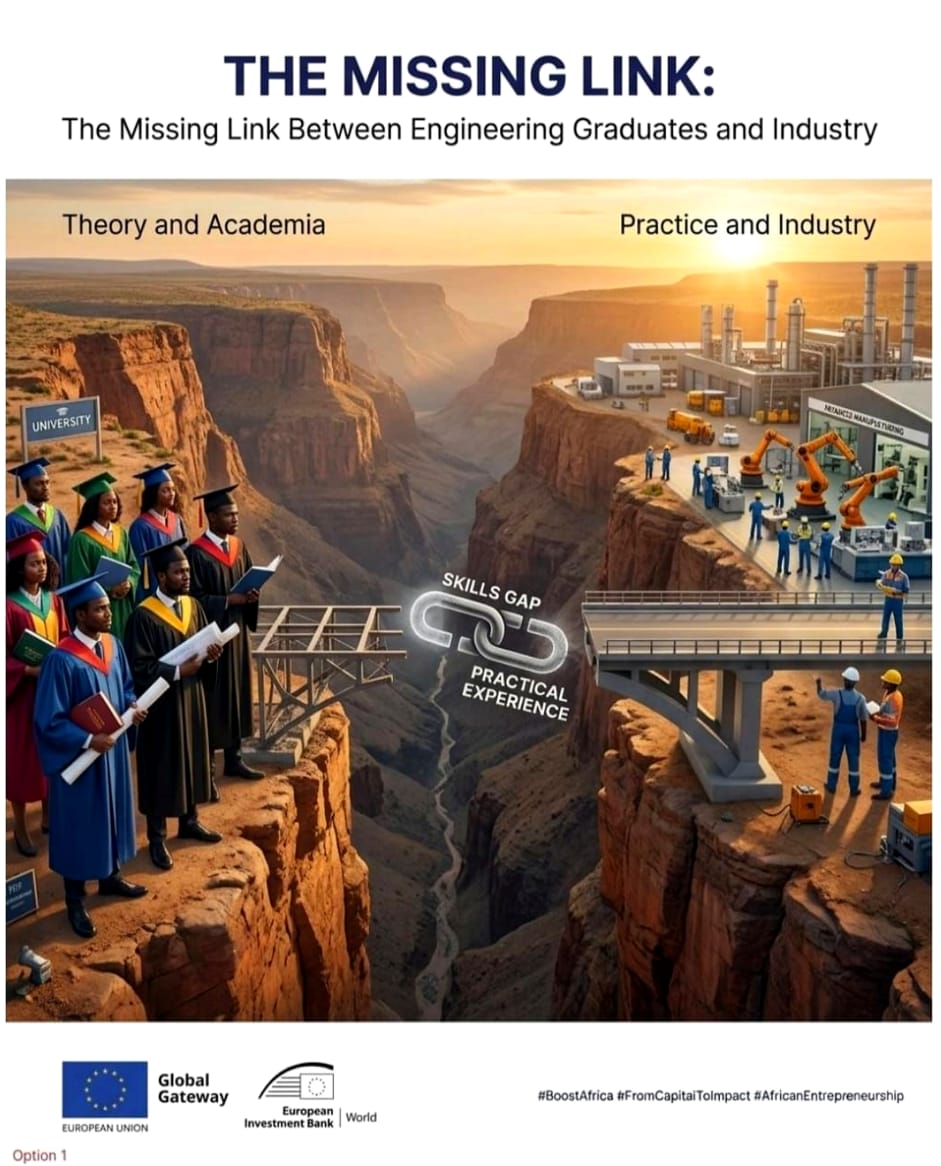
A university degree is a starting point, but practical industry experience can make all the difference.
Nigerian technology company ChipMango is bridging the gap through specialised semiconductor training and real-world chip design and verification projects, preparing African engineers for opportunities in the global technology industry.
Through Boost Africa, the EIB, AfDB and EU are strengthening the investment ecosystem supporting innovative African businesses.
Watch the video to discover how ChipMango is connecting engineering talent to real industry opportunities.
Watch the video:

American multinational technology conglomerate – Microsoft – has confirmed that its services have been fully restored following a worldwide outage that disrupted access to several of its products, including Outlook, Teams and Copilot, across more than 70 countries.
The technology company announced early Saturday that it had completed work to resolve the underlying technical problem, assuring customers that the affected services were operating normally again.
The outage, which began on Thursday, affected businesses, government institutions and individual users, with more than 430 million people worldwide relying on the products involved.
Microsoft attributed the disruption to a problem introduced during a “network capacity upgrade”. The company also ruled out a cyber-attack or an artificial intelligence agent as the cause and apologised to customers for the incident.
The widespread disruption exposed the dependence of businesses and essential public services on a handful of major technology providers, with experts describing the incident as a “stark reminder” of the risks associated with that reliance.
Several countries reported significant disruptions as the technical problems persisted for almost 24 hours before services began recovering on Friday afternoon UK time.
Peter Pentz, a winemaker in South Africa, said the outage had brought virtually every aspect of his business to a “standstill”.
He explained that communication relating to his winery’s exports had been disrupted, while essential production activities were suspended because the Cape West Coast-based business depended on Microsoft’s systems for some of its daily operations.
The outage also affected individuals with important personal transactions to complete.
Georgia, from Staffordshire in England, said she had been preparing to complete her first house purchase after waiting eight months for the process to reach its final stage. However, the Microsoft disruption threatened to delay the transaction.
“The solicitor mentioned there may be a delay due to not being able to contact other agencies,” she said.
“We’re not the only one completing today – there are hundreds of houses and for them to ring everyone in time is unfeasible.”
BBC
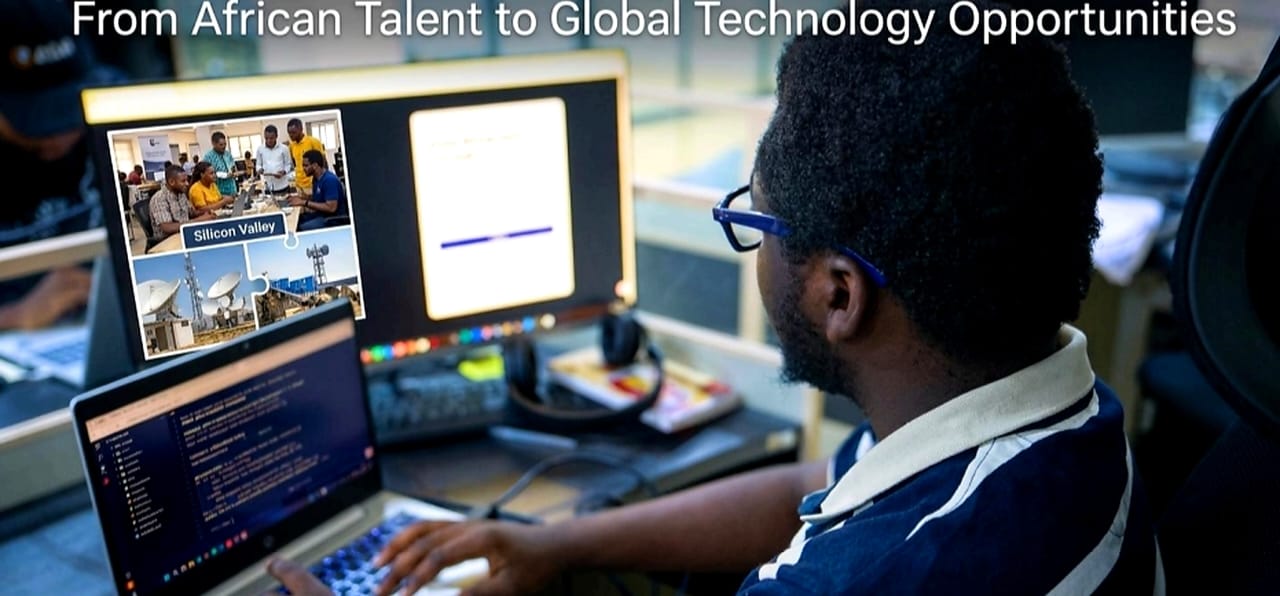
Africa has the engineering talent. The challenge is connecting it to global technology opportunities.
Nigerian company ChipMango is bridging this gap through specialised training and practical semiconductor design projects, creating pathways for African engineers to participate in the global chip industry.
Through Boost Africa, the EIB, AfDB and EU are strengthening the investment ecosystem supporting innovative African businesses.
Watch the video to discover how ChipMango is turning African engineering talent into global opportunities.