
Metro
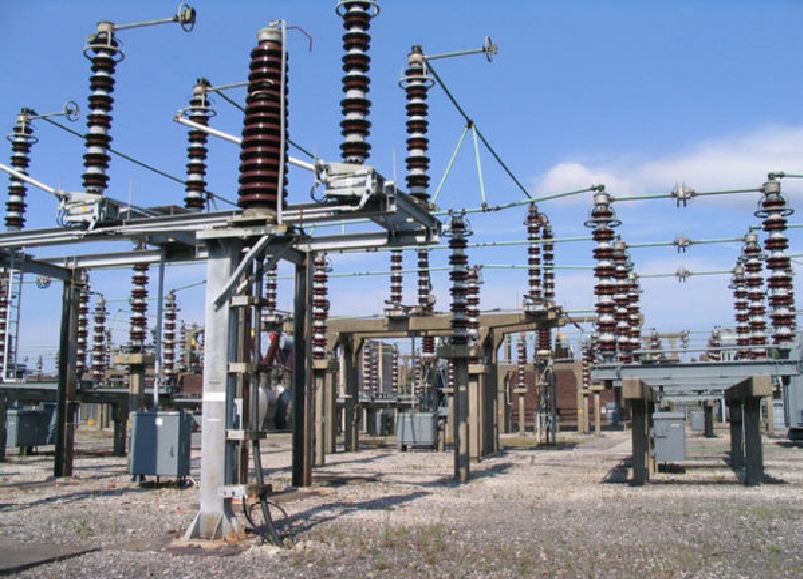
Sermon: A Climate of Darkness

By Babatunde Jose
The Messenger of Allah, peace and blessings be upon him, said, “There is no leader who closes the door to someone in need, in hardship, and in poverty, but that Allah closes the gates of heaven to him when he is in need, in hardship, and in poverty.” ‘Amr ibn Murrah reported:
Sunan al-Tirmidhī 1332
Many analysts and watchers of the ‘Nigerian Drama’ have come to the inescapable conclusion that Nigeria is what it is today because its people have chosen to live in mediocrity and like Simon Kolawole said, “we readily adjust to sub-human conditions; throwing up our hands in surrender and gleefully describe rotten banana as ‘ripening’.”
A race of docile citizens, we have become accustomed to suffering and smiling. Nothing shakes the Nigerian. Pushed to the wall, he would not push back. The most complacent people on earth, we have been described as the happiest people, despite our living in horror and bondage. We seek solace in the Quran and the Bible, some in our traditional religions when faced with the daily hardship that has been wroth on us by our irresponsible leaders and our unquestioning attitude. Not content with accepting our miserable lot, we crown our tormentors with high chieftaincies and accolades when they pass. The ‘Baba ke’ syndrome is a definition of a crazed people who have sold their birth rights, freedom and mortgaged their rights to good living. The Managing Director of AMCON recently said that the majority of recalcitrant obligors owing N5trillion are ‘big men and women’. The worrisome aspect he said, “unlike what happened in other climes, was that these obligors still manipulated their way to emerge as members of the national assembly, ministers, chairmen and women of big organisations and pro-chancellors of universities.”
We acquiesce and joyfully participate in rigging elections, accept rigged elections and hail those responsible for our pauperization as ‘honorable’. They allocate questionable fat salaries and allowances to themselves and we accept; they then squander our patrimony in the name of ‘constituency projects’ and we also accept. For how long will we wait at the ‘gate of hell’?
In other climes people would have taken the leaders to account, not here; the land that flows with the proverbial ‘milk and honey’. For decades we have lived in perpetual darkness. What did we do, we resort to self-generation of electricity through the importation and improvisation of generators. It is said that there are more generators in Nigeria than motor vehicles.
According to the Chairman of the Independent Corrupt Practices and Other Related Offences Commission (ICPC), the nation had spent about N2trillion on funding legislators’ community projects since year 2000 without commensurate development at the grassroots. This money could have paid for the $5billion Mambilla Power project which was conceived in 1980 but still a 39-year work-in-progress. Long after its conception China embarked on the Three Gorges Power project on the Yangtze River, in 1998 and it went into service in 2012. The Three Gorges Dam has been the world’s largest power station in terms of installed capacity (22,500 MW) since 2012. In January 1975, construction started on the Itaipu Power project on the Parana River. Jointly owned by the Paraguay and Brazilian governments, the project was completed in 1984 and in 2007 its operating capacity was expanded and today it is the world’s largest power project producing 14 Giga watts. Both projects did not take ‘thy kingdom come’ to execute. What then is wrong with us?
To transmit and distribute the little electricity that we produce is a problem; hence communities are placed under a ‘climate of darkness, some for months and others for years. My area in Apapa was once placed under darkness for 7 months because of a faulty transformer; can you imagine that? In that area, we had a cluster of 4 supermarkets, a bakery, and other shops and of course Jay Kay Pharmacy, not to talk of Guest houses, offices, residences and a petrol station. It was a harrowing and expensive experience. In the end after taking the matter to the highest level, it took just a day to replace the transformer. This is the kind of country we run. Some communities have been left in darkness because of less serious and fixable problems.
Narrated Ma’qil, I heard the Prophet (saws) saying, “Any man whom Allah has given the authority of ruling some people and he does not look after them in an honest manner, will never feel even the smell of Paradise.”
Yet it is said that we have spent $60 Billion on the power sector in two decades. The current power situation does not lend credence to this. If it is true, our people have not reacted to it with any protestation. Rather we continue to buy more generators. In the absence of robust and reliable data on the actual cost of purchasing fuel for generators nationwide, a report by the Good Governance Initiative, a non-governmental organisation advocating uninterrupted power supply in the country, said Nigerians spend N3.5tn on fuelling their generators annually. Equally sad is the fact that government and its agencies make provisions for generators and fuelling in their budgets.
On May 29, 2019, power generation stood at about 3,000; yet we are the largest economy in Africa, while South Africa and Egypt are trailing us. But on the single index of electricity, they are better than us. That is why our economy is weak and it contributes to our poverty problem.
Nigeria is called the second poorest power supply country in the world. Still, there could always be a bright future. The main idea is to concentrate on the renewable sources of energy which can drastically change the situation and promote better energy output for the country: And a resolve on the part of the leadership to do the needful as regards our power problem.
It is interesting to know that electricity was first produced in Lagos Nigeria in 1896, exactly 15 years after its introduction in England; it is however sad and lamentable that 123 years after, the country lives under a ‘climate of darkness’.
The Messenger of Allah, peace and blessings be upon him, said, “Whoever is appointed over the affairs of people in any way and he conceals benefit from them, Allah will conceal benefit from him on the Day of Resurrection.” Source: Musnad Aḥmad 21504
Barka Juma’at and a happy weekend


Metro
International Day of the Girl-Child: Pad Me A Girl Foundation Holds Menstrual Health Outreach in Ogun
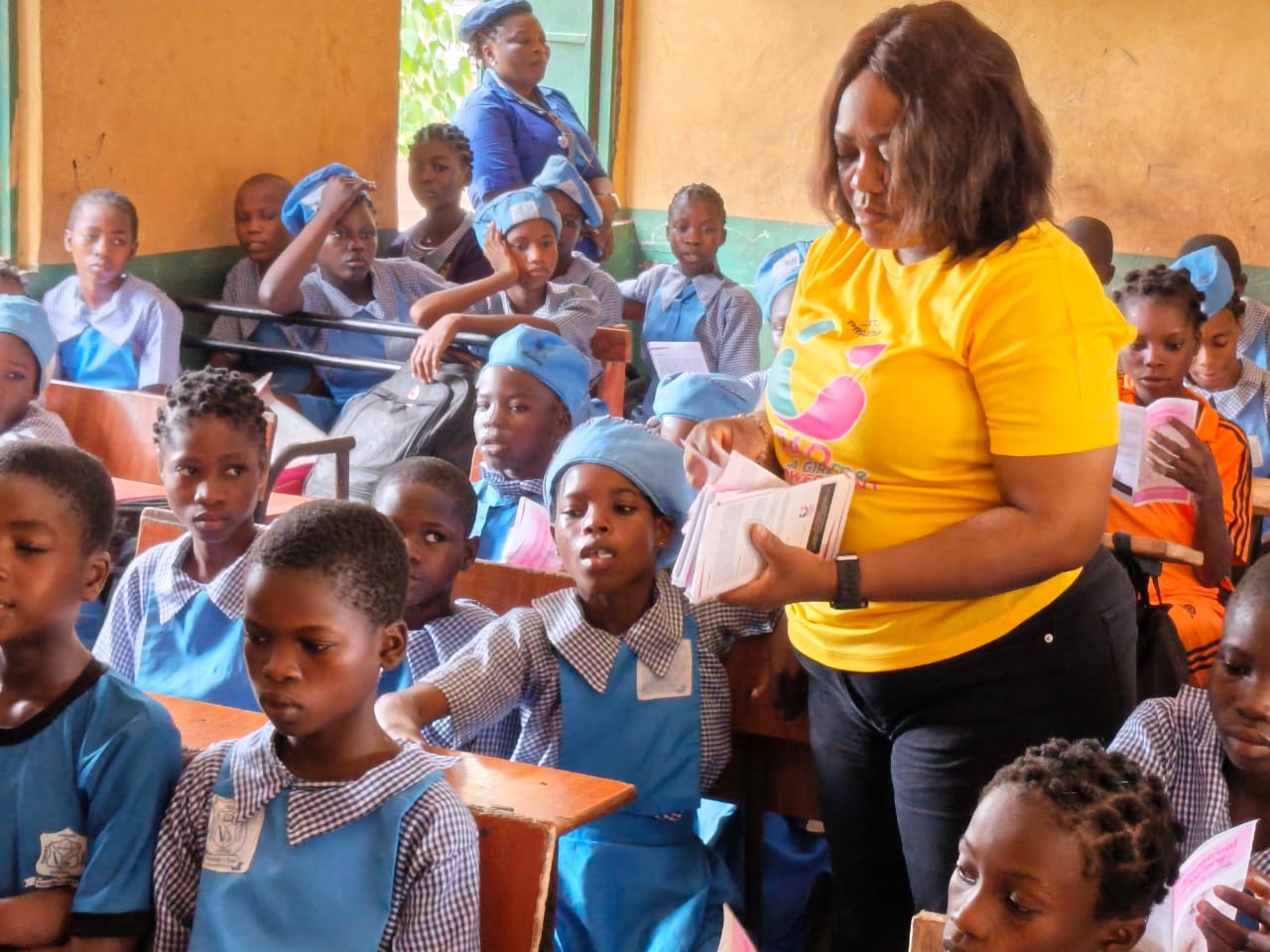
The Pad Me A Girl Empowerment Foundation has taken its menstrual health campaign to Igbesa High School (Junior), in Ado-Odo/Ota Local Government Area of Ogun State, providing free sanitary pads, menstrual hygiene pamphlets, exercise books and pens to over 100 schoolgirls to promote menstrual health, dignity and education.
The outreach, held on Wednesday, October 21, commemorated the 2026 International Day of the Girl Child, whose global theme is “End Child Marriage and Invest in Girls’ Rights!”
The programme brought together girls from Junior Secondary School (JSS) 1 to 3 who participate in the school’s reading clubs for mentorship, reading activities and menstrual health education.
It was convened by Oyelami Yetunde Anuoluwapo and Blessing Kappo, teachers and Teach For Nigeria Fellows at the school, following an appeal for sanitary products, learning materials and health education support. The Foundation’s founder, Theresa Moses, responded by providing the requested items and facilitating an interactive session on menstrual hygiene management.
Speaking at the event, Moses said she was inspired by the girls’ determination and aspirations, stressing the need for sustained investment in their health, education and future.
“Invest in girls and Nigeria will rise. Every girl deserves dignity, education and the right to dream beyond child marriage. That is why we are here; to ensure no girl misses school because of her period,” she said.
She emphasised that access to menstrual hygiene products and accurate information helps girls manage their periods confidently and participate fully in school activities.
In a letter of appreciation, Oyelami and Kappo described the outreach as impactful and inspiring, noting that it enhanced the girls’ understanding of menstrual health, hygiene and self-confidence. They also said the support would help promote the students’ hygiene, school attendance and dignity.
“You did not just give pads; you gave our girls confidence and hope,” the teachers wrote on behalf of the school community, expressing gratitude to the Foundation and hope for future collaboration.
Mrs Amarachi Eze, Assistant Divisional Commissioner of the Nigerian Girl Guides Association, Ado-Odo/Ota, Ogun State Branch, also commended the Foundation for supporting the girls’ hygiene needs and development.
“We sincerely appreciate the Management of Pad Me A Girl Foundation for joining hands with the Association in supporting our girls on hygiene management. May God Almighty continue to uplift your foundation. Thanks for joining hands in the development of girls in our schools. Bravo,” she said.
The Foundation’s Media Coordinator, Mr Oluwatosin Simon Faleye, called on corporate organisations, non-governmental organisations and well-meaning Nigerians to support initiatives that address period poverty and help girls remain in school.
“For over a year, we have been committed to ending period poverty and keeping girls in school. We call on corporate organisations and well-meaning Nigerians to support this cause for the betterment of Nigeria,” Faleye said.
The celebration also featured a student drama presentation highlighting the effects of child marriage, alongside reading and mentorship activities designed to encourage the girls to understand their rights, value their education and pursue their aspirations.
The Foundation also acknowledged the continued support of its sponsors and partners, including Access Bank, Pro Star Sports International, BL Consulting, Vita Baites Foods, Checkers, Senator Ireti Kingibe, representing the Federal Capital Territory (FCT) in the 10th Nigerian National Assembly, the Senate Committee on Women Affairs (SCOWAS), as well as individuals and media organisations whose contributions have supported its broader mission of ending period poverty, promoting menstrual health education and empowering girls and women.
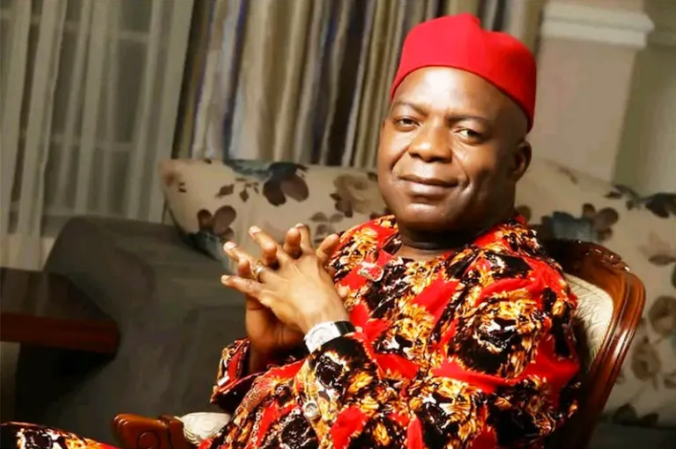
Abia State governor, Alex Otti, is set to flag off the reconstruction of Uratta Road and Old Express Road in Aba, two major routes which poor condition has disrupted transportation, commercial activities and access to residential communities for years.
The governor’s media aide, Ferdinand Ekeoma, in a statement on Wednesday, said that work on the roads has begun ahead of the scheduled official flag-off.
The two roads are considered important to Aba’s commercial and industrial activities, with Uratta Road connecting several adjoining streets to Port Harcourt Road and Old Express Road. At the same time, Old Express Road serves as a key route within the city’s industrial layout.
Ekeoma said the roads had suffered neglect for more than 24 years, leaving some sections impassable and forcing residents and businesses to contend with difficult transportation conditions.
According to the statement, Uratta Road provides access to more than 100 adjoining streets. Its poor condition has affected residents, traders and small-scale manufacturers who depend on the road to transport goods and access their businesses.
The statement said the road had become waterlogged and overgrown with weeds, discouraging commercial motorcycle and tricycle operators from using it.
Similarly, the deterioration of Old Express Road forced heavy-duty truck operators, fabric merchants, spare-parts dealers and small businesses to use longer routes, increasing transportation costs and affecting productivity.
The government said the road reconstruction is part of its broader effort to restore Aba’s infrastructure and strengthen the city’s commercial base.
Aba, one of southeastern Nigeria’s major commercial centres, hosts manufacturing clusters, markets, and small and medium-sized enterprises that depend heavily on functional roads to move raw materials and finished products.
The government said the reconstruction would improve market access, reduce transportation costs, facilitate the movement of goods, and support businesses operating along the affected corridors.
Ekeoma cited the reconstruction of Port Harcourt Road as an example of the administration’s infrastructure programme, noting that improved road access encouraged shops to reopen, attracted manufacturing activities and increased property rents along the corridor.
The government also said the new projects would complement other road interventions in Aba, including works on Ohanku and Obohia roads, as part of efforts to improve connectivity within the commercial city.
Beyond road construction, the administration said its projects include drainage systems, solar-powered streetlights, and pedestrian walkways, which it described as necessary to improve safety, accessibility, and flood resilience.
Ekeoma said Governor Otti views infrastructure development as an economic strategy rather than merely a construction programme, arguing that better roads would help businesses operate more efficiently and create employment opportunities.
He also quoted the governor as saying at an earlier church event that his administration is shifting attention from basic infrastructure improvements to healthcare, education, technology and industrialisation.
The governor, a former bank chief executive, was elected in 2023 on the Labour Party platform, defeating candidates from the major established parties in a state historically dominated by the Peoples’ Democratic Party.
Otti has remained in the Labour Party despite the defection of its 2023 presidential candidate, Peter Obi.
His administration has made rehabilitating Aba roads and public infrastructure central to its governance agenda, presenting the city’s recovery as essential to reviving economic activity across Abia State.

MILO Nigeria, in partnership with former Nigerian national team captain and MILO Brand Ambassador Ahmed Musa, has concluded the inaugural MILO × Ahmed Musa Sports Clinic and Tournament in Kano, providing 2,500 young footballers with professional coaching, mentorship and competitive football experience.
Over two weeks, participants took part in 10 coaching sessions and competed in matches under the guidance of Ahmed Musa and experienced coaches. The programme combined practical football training with lessons in teamwork, discipline, resilience and confidence, equipping participants with skills and values that extend beyond the pitch.
The initiative culminated in a tournament at the Ahmed Musa Sports Complex in Kano, where Khamis Football Academy emerged as champions of the inaugural edition. Participants also received cash prizes, certificates and football equipment.
Speaking on the initiative, Gilbert Tweneboah-Koduah, Category Lead, MILO, said: “At MILO, we believe sport is a powerful platform for young people to discover their abilities, build confidence and develop values that extend beyond the field of play. Our partnership with Ahmed Musa brings together MILO’s longstanding commitment to sports development and the experience of an athlete whose journey from grassroots football to the highest level of the game can inspire the next generation. By combining his experience with structured coaching and competition, this programme has given young footballers in Kano an opportunity to develop their skills, learn from experienced professionals and better understand the commitment required to pursue their aspirations.”
For the participants, the clinic offered an opportunity to learn from an athlete whose football journey began in northern Nigeria and progressed to the highest levels of the sport, making his experience a source of inspiration for aspiring players.
Commenting on the partnership, Ahmed Musa said: “Nigeria has incredible football talent, but talent alone is not enough. Young players need good coaching, regular competition and people who will guide them. I am proud to partner with MILO and share some of what football has taught me. My message to these players is simple: keep training, listen to your coaches and work hard every day to improve.”
Musa also called for greater investment in grassroots football, emphasizing the importance of giving young players access to quality coaching, structured development and regular competitive opportunities.
The MILO × Ahmed Musa Sports Clinic and Tournament builds on MILO’s longstanding commitment to youth development through sports in Nigeria. Through its school-based and grassroots sporting initiatives, MILO continues to create opportunities for young people to participate in sports, develop their abilities and embrace values that can support them both on and off the pitch.


