
Personality in Focus
UBA Appoints Henrietta Ugboh Independent Non-Executive Director As Owanari Duke Retires from Group Board


- /home/rhoncare/pointblank.ng/wp-content/plugins/mvp-social-buttons/mvp-social-buttons.php on line 27
https://pointblank.ng/wp-content/uploads/2024/11/IMG-20241112-WA0047-720x600.jpg&description=UBA Appoints Henrietta Ugboh Independent Non-Executive Director As Owanari Duke Retires from Group Board', 'pinterestShare', 'width=750,height=350'); return false;" title="Pin This Post">
- Share
- Tweet /home/rhoncare/pointblank.ng/wp-content/plugins/mvp-social-buttons/mvp-social-buttons.php on line 69
https://pointblank.ng/wp-content/uploads/2024/11/IMG-20241112-WA0047-720x600.jpg&description=UBA Appoints Henrietta Ugboh Independent Non-Executive Director As Owanari Duke Retires from Group Board', 'pinterestShare', 'width=750,height=350'); return false;" title="Pin This Post">
Africa’s Global Bank, United Bank for Africa (UBA) Plc, has announced the appointment of Henrietta Ugboh as an Independent Non-Executive Director.
The appointment has been approved by the relevant regulatory bodies, including the Central Bank of Nigeria.
UBA’s Group Chairman, Tony Elumelu, CFR commenting on the appointment, said, “Henrietta Ugboh brings a track record of professional success, integrity and leadership, which will further strengthen the UBA Group Board, underlining once again the Group’s commitment to robust corporate governance.”
Ugboh holds a degree in Economics and Statistics from the University of Benin, an MBA from ESUT Business School, and is an alumnus of the Harvard Business School’s Executive Management Program. She has over 30 years experience in banking with Citibank and is an Honorary Senior Member of the Chartered Institute of Bankers of Nigeria and a Fellow of the Institute of Credit Administration (FICA).
Elumelu added that with her considerable experience and expertise, which includes commercial banking, credit, and risk management, the UBA Board is delighted to welcome Mrs Ugboh to the Group Board, “We look forward to her invaluable contribution to the Group, as we continue to execute our unique growth strategy across Africa and globally.”
The Board also announced the retirement of Mrs. Owanari Duke, an Independent Non-Executive Director, who joined the UBA Group Board in October 2012.
During her tenure, Mrs. Duke provided distinguished leadership, serving on Committees of the Bank including the Board Governance Committee, Board Audit, Governance, Nomination & Remuneration Committee, Board Credit Committee, Finance & General Purpose Committee and Statutory Audit Committee.
On behalf of the board, Mr. Elumelu expressed UBA’s deep appreciation to Mrs. Duke for her dedication and significant contributions to the Group, wishing her the best in her future endeavour.
United Bank for Africa Plc is a leading Pan-African financial institution, offering banking services to more than forty-five million customers, across 1,000 business offices and customer touch points in 20 African countries. With presence in New York, London, Paris and Dubai, UBA is connecting people and businesses across Africa through retail, commercial and corporate banking, innovative cross-border payments and remittances, trade finance and related banking services.


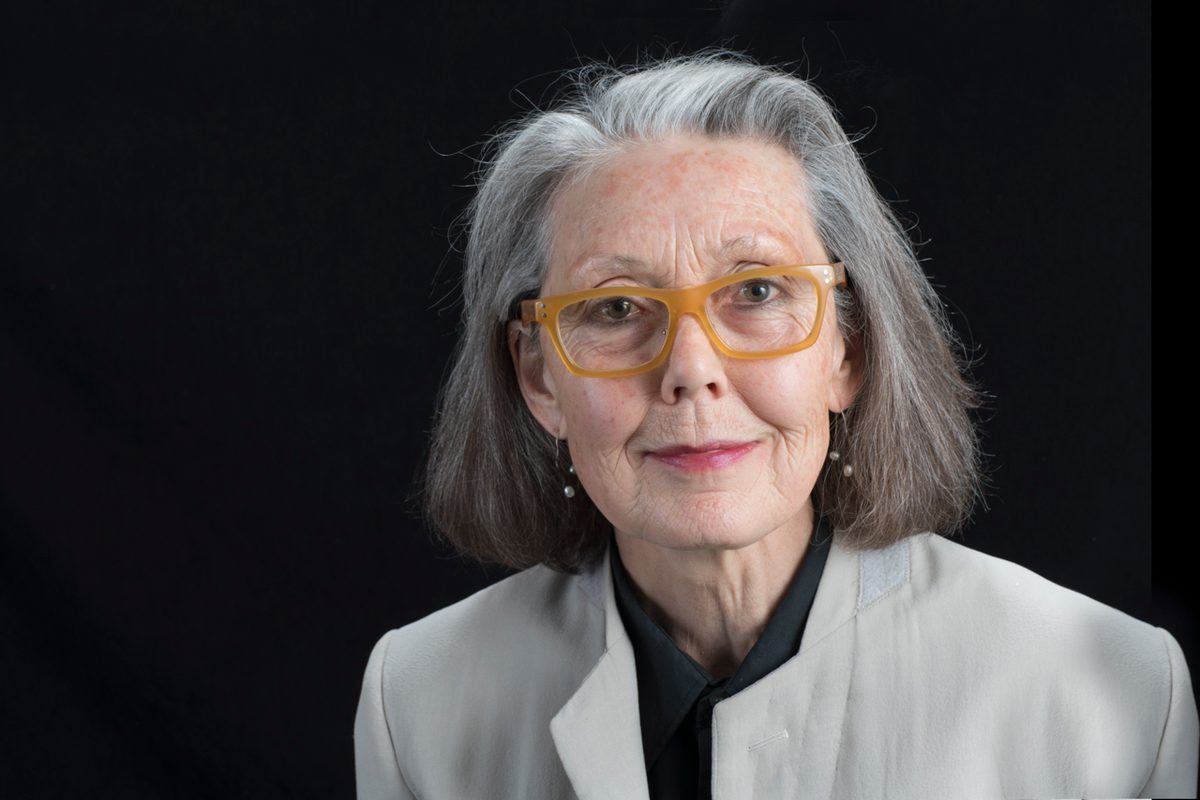
Canadian poet, essayist and translator Anne Carson has been awarded the 2026 Nobel Prize in Literature for her inventive writing and her engagement with the classical tradition. Her work brings together poetry, criticism, translation and narrative, expanding the forms through which contemporary literature can tell stories.
Born in Toronto in 1950, Carson trained as a classicist and has combined writing with university teaching and translation throughout her career. Her interest in the origins and meanings of words informs both her scholarship and her poetry. Ancient texts provide material for her explorations of desire, grief, identity and human relationships.
Her translations include If Not, Winter (2002), a rendering of Sappho’s surviving poetry that preserves the gaps between fragments. She has also translated plays by Sophocles and Euripides, bringing the language and conflicts of Greek tragedy into contemporary expression.
Carson’s writing gained increasing recognition during the 1990s. “The Glass Essay,” published in Glass, Irony, and God (1995), combines the experience of a relationship’s end with reflections on Emily Brontë, family life and solitude. Its movement between personal narrative and literary interpretation demonstrates her freedom in working across genres.
Autobiography of Red: A Novel in Verse (1998) remains among her most celebrated works. Drawing on fragments by the ancient Greek poet Stesichoros, Carson reimagines the winged red monster Geryon as a young person discovering photography, desire and heartbreak. The book places his experiences at the centre of a story traditionally associated with the exploits of Herakles.
Her later publications continue this experimentation. Float (2016) consists of twenty-two chapbooks that readers can approach in any order. Wrong Norma (2024) brings together varied prose pieces, extending her interest in the possibilities of short, loosely connected forms.
Carson has also collaborated with visual artists, choreographers and theatre and opera directors. These projects carry her writing into performance and establish connections between literature and other arts.
The award recognises a career devoted to close attention to language and continual experimentation with form. Through translation, poetry and collaboration, Carson has made classical literature an active part of contemporary writing.
Souce:Classic Books.
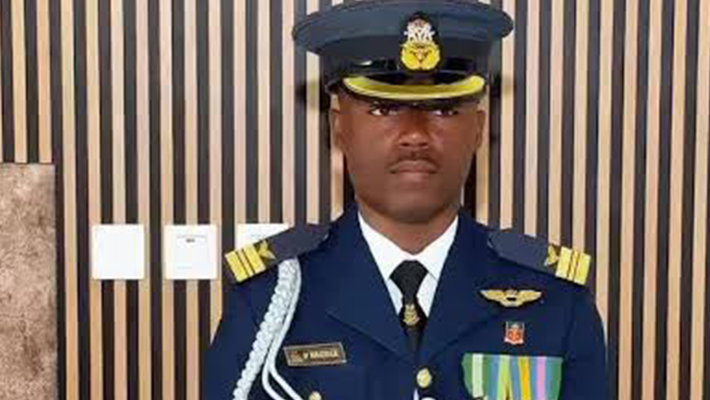
Abia State governor, Alex Otti, and Senator representing Abia North, Orji Uzor Kalu, have expressed sadness over the death of Abia-born Squadron Leader Ahamefule Aham Man-Ugwueje, one of the pilots of the Nigerian Air Force ATR-42 aircraft, NAF 931, which crashed in Igbokoda, Ondo State, on Monday.
Governor Otti, in a statement by his Special Adviser on Media and Publicity, Ferdinand Ekeoma, described Squadron Leader Man-Ugwueje’s death and those of other military personnel aboard the Nigerian Air Force plane as painful and devastating.
“This accident is both painful and devastating, because it has brought untold sorrow and anguish to the victims’ families, their friends and loved ones, the Nigerian Air Force, and the nation at large.”
Governor Otti regretted that Squadron Leader Man-Ugwueje perished in the air disaster barely two weeks after he wedded his beloved wife, Flight Lieutenant Damilola Adekunle, in Abuja, a sad development he said has robbed the couple of the opportunity of spending their lives together as husband and wife.
The governor, on behalf of his family, the government and people of Abia State, commiserated with the families of the victims, the people of Umuahia where Squadron Leader Man-Ugwueje hailed from, the Nigerian Air Force and the Federal Government of Nigeria, and prays for the peaceful repose of their souls in God’s bosom.
In his own message, Senator Kalu commiserated with the Nigerian Air Force over the loss of the Air Force personnel and others in the Ondo plane crash.
The former governor of Abia State, while expressing sadness over the loss, extended his heartfelt sympathy to the Chief of the Air Staff, Air Marshal Sunday Kelvin Aneke, the entire Nigerian Air Force and the families of those who lost their lives in the tragic incident.Describing the incident as painful and heartbreaking, Kalu said the death of personnel who devoted themselves to the service of the country is a huge loss to the Nigerian Air Force and the nation.
“I extend my heartfelt sympathy to the Chief of the Air Staff, Air Marshal Sunday Kelvin Aneke, and the entire Nigerian Air Force over this painful loss.
“My thoughts and prayers are especially with the families who have lost their loved ones. Losing men and women who dedicated themselves to serving and protecting our country is indeed a tragedy for all Nigerians.
“At this difficult moment, I pray that God comforts their families, colleagues and loved ones, and gives them the strength to bear this irreparable loss.
“May the souls of the departed rest in peace,” Kalu said.
He urged the Nigerian Air Force to remain strong in the face of the tragedy, noting that the sacrifices of its personnel in the service of the country would always be remembered.
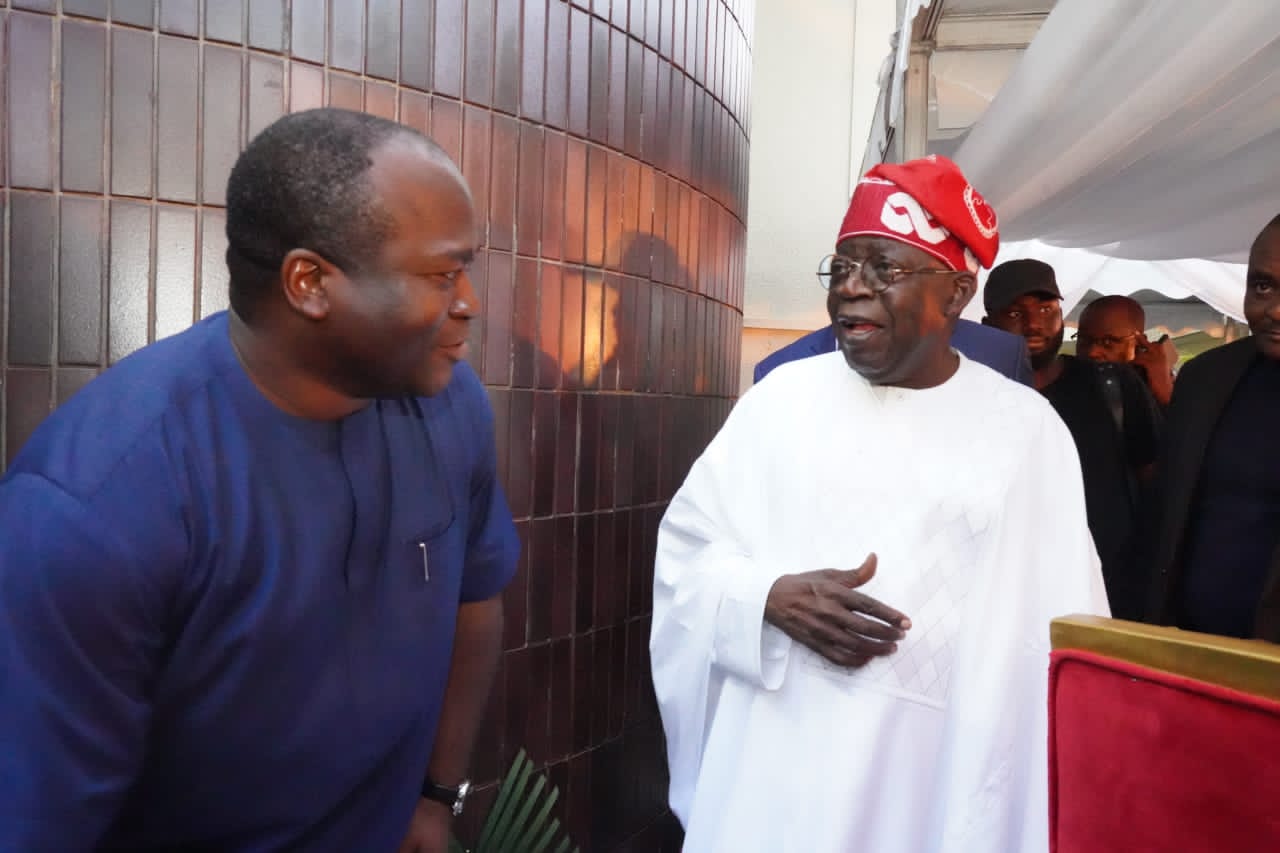
President Bola Tinubu has sent warm greetings to the Executive Secretary/CEO of the Lagos State Security Trust Fund (LSSTF) Dr. Ayodele Ogunsan, on the occasion of his 50th birthday on October 6, 2026.
In a statement released by the Special Adviser to the President (Information and Strategy), Bayo Onanuga, the President indicated acknowledged Dr. Ogunsan’s commitment to institution-building and promoting partnerships among government, the private sector, and other stakeholders to advance security and development.
Tinubu also commended the celebrant for his dedication to serving Lagos State and his contributions toward strengthening the security architecture, public safety, and public confidence through the Lagos State Security Trust Fund.
Before becoming the Executive Secretary/CEO, Dr. Ogunsan served on the Board of Trustees of the LSSTF. He has held other significant responsibilities in the security and community-safety space, including as Chairman of the Police Campaign Against Cultism and Other Vices (POCACOV), Lagos State, and Patron of the Police Community Relations Committee (PCRC).
The President noted that under Dr. Ogunsan’s leadership, the Trust Fund has continued to play an important role in supporting security agencies with critical equipment, infrastructure and other resources necessary to enhance their effectiveness in protecting lives and property.
“As you mark this significant milestone, I urge you to sustain your dedication to the security and progress of Lagos State and Nigeria. I wish you many more years of good health, wisdom and fulfilment, as well as continued success in your service to humanity and our nation,” the President charged.


