Business
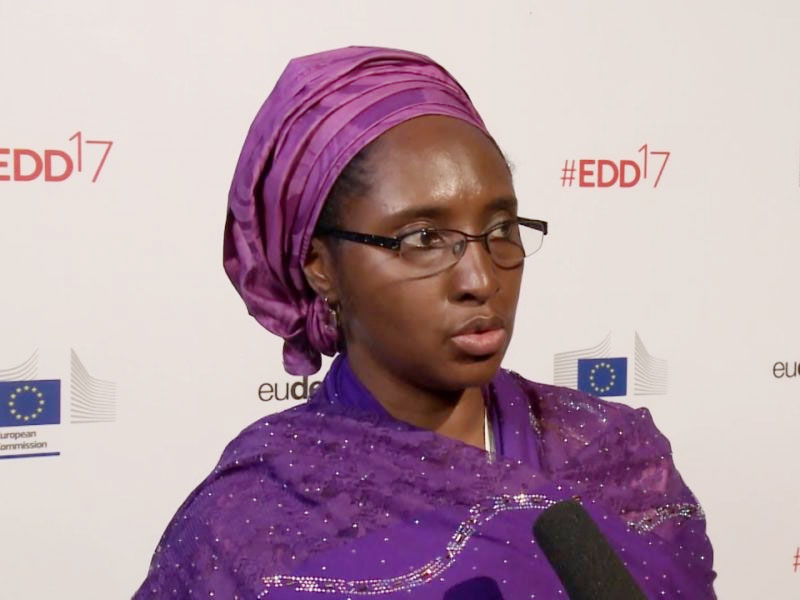
World Bank Loan Portfolio in Nigeria Hits $8.67bn

- /home/rhoncare/pointblank.ng/wp-content/plugins/mvp-social-buttons/mvp-social-buttons.php on line 27
https://pointblank.ng/wp-content/uploads/2019/04/43690aeb-zainab-ahmed-800x600.jpg&description=World Bank Loan Portfolio in Nigeria Hits $8.67bn', 'pinterestShare', 'width=750,height=350'); return false;" title="Pin This Post">
- Share
- Tweet /home/rhoncare/pointblank.ng/wp-content/plugins/mvp-social-buttons/mvp-social-buttons.php on line 69
https://pointblank.ng/wp-content/uploads/2019/04/43690aeb-zainab-ahmed-800x600.jpg&description=World Bank Loan Portfolio in Nigeria Hits $8.67bn', 'pinterestShare', 'width=750,height=350'); return false;" title="Pin This Post">
World Bank loan portfolio in Nigeria now stands at $8.67bn, an investigation has shown.
Loans from the International Development Association, one of the three arms of the World Bank, make up $8.55bn of the portfolio.
Loans from the International Bank for Reconstruction and Development, another arm of the Breton Woods institution, make up $124.18m of the portfolio.
IDA is the concessional arm of the bank through which it grants low interest loans to developing countries while the IBRD is the commercial arm that lends at commercial interest rates.
Statistics obtained from the Debt Management Office showed that the bank’s portfolio in Nigeria rose from $6.67bn as of December 31, 2016, to $8.67bn as of December 31, 2018.
This means that the World Bank portfolio in the country rose by $2bn within a period of two years. This shows an increase of 29.98 per cent within the two-year period under review.
Nigeria’s external debt as of December 31, 2018, stood at $25.27bn. With a portfolio of $8.67bn, the World Bank is the country’s single largest creditor as the bank holds 34.32 per cent of the nation’s external debt commitment.
Although some experts may see the 29.98 per cent growth in bank’s portfolio in Nigeria within a period of two years as high, there was actually more growth in the country’s commitment to Eurobonds within the same period.
In 2016, the nation’s Eurobonds loans stood at $1.5bn. However, by December 2018, the Eurobonds portfolio had reached $10.87bn. This shows that within the period, the country’s Eurobonds debt rose by $9.37bn or 624.67 per cent.
Drying concessional sources of external borrowing had driven the nation to commercial loans which included Eurobonds and Diaspora Bonds issued to Nigerians abroad.
The country also had to take commercial loans from abroad in a bid to retire some domestic debts that were considered to come with very high interest rates.
Speaking at a recent press briefing, the Director-General of DMO, Patience Oniha, said the government had borrowed to fund projects, to finance the budget deficit and to refinance maturing obligations.
Particularly, she said, some foreign debts were used to refinance treasury bills because of the short tenor of the bills, adding that borrowing from abroad had also helped to stabilise the local currency in the last two years.
Oniha said that borrowing for 2019 would be 50-50 split between domestic and external in striving to be consistent with the Debt Management Strategy 2013-2019 aimed at achieving a 60:40 ratio between domestic debt and external debt.
She said, “Relatively low interest rates mean the government can issue longer-dated bonds to continue to fund infrastructure projects.
“Revenue generating initiatives are expected to improve revenues and reduce the debt service to revenue ratio.”
The Punch


Business
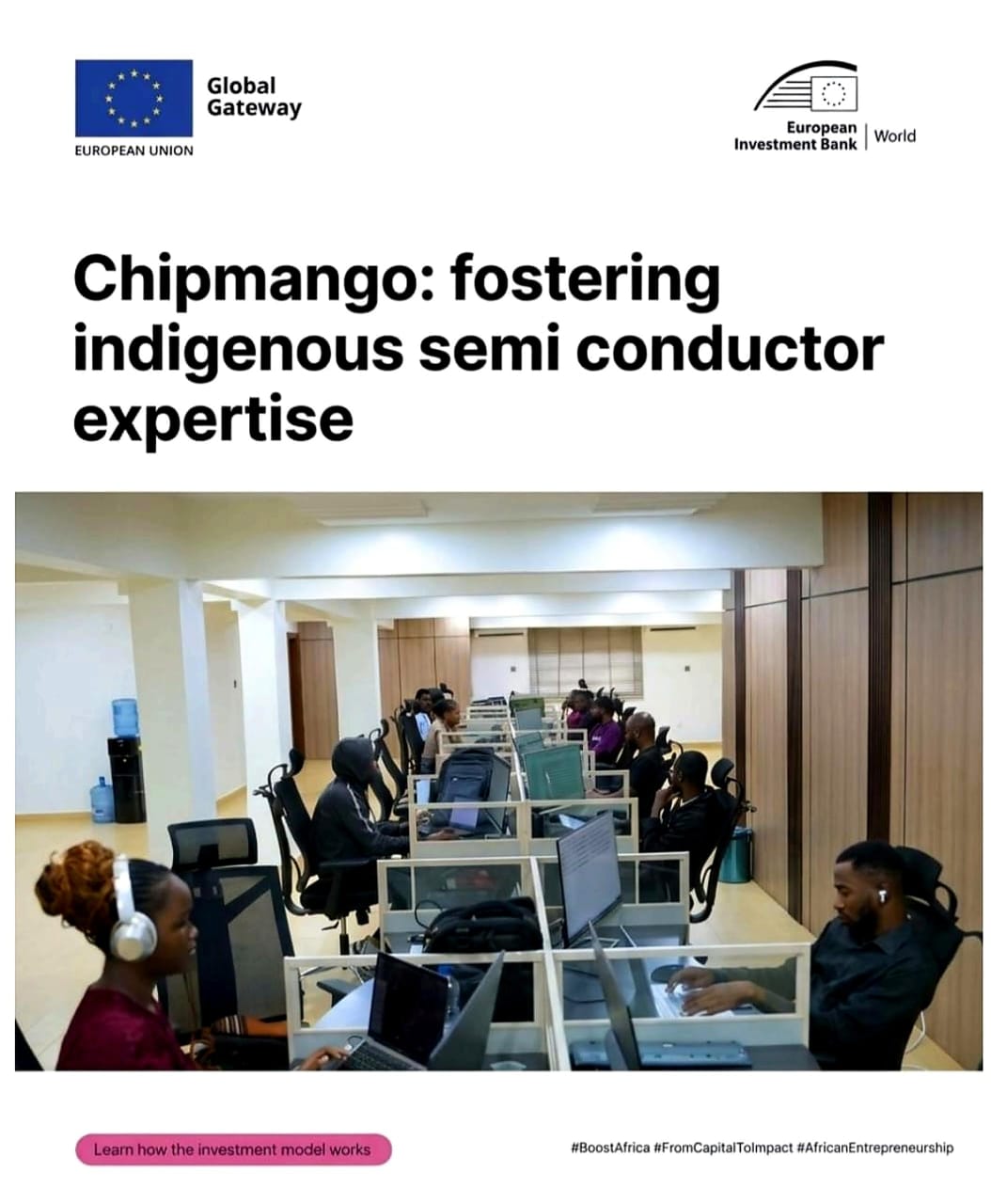
From Classroom to Industry: How ChipMango is Preparing African Engineers for the Semiconductor Market
Studying engineering is one thing. Having
the opportunity to apply that knowledge to real industry projects is another.
ChipMango connects industry-aligned learning with practical semiconductor design and verification work, giving engineers a pathway to develop skills relevant to commercial projects.
Its work illustrates why investment in African innovation must also consider the talent, technical expertise and infrastructure required to build competitive businesses.
Through Boost Africa, the European Investment Bank (EIB) supports African
entrepreneurship by investing through venture capital funds, helping innovative businesses access the capital and support
they need to develop and grow.
Watch the
video to learn more about ChipMango’s
approach.
Watch the video:
Business
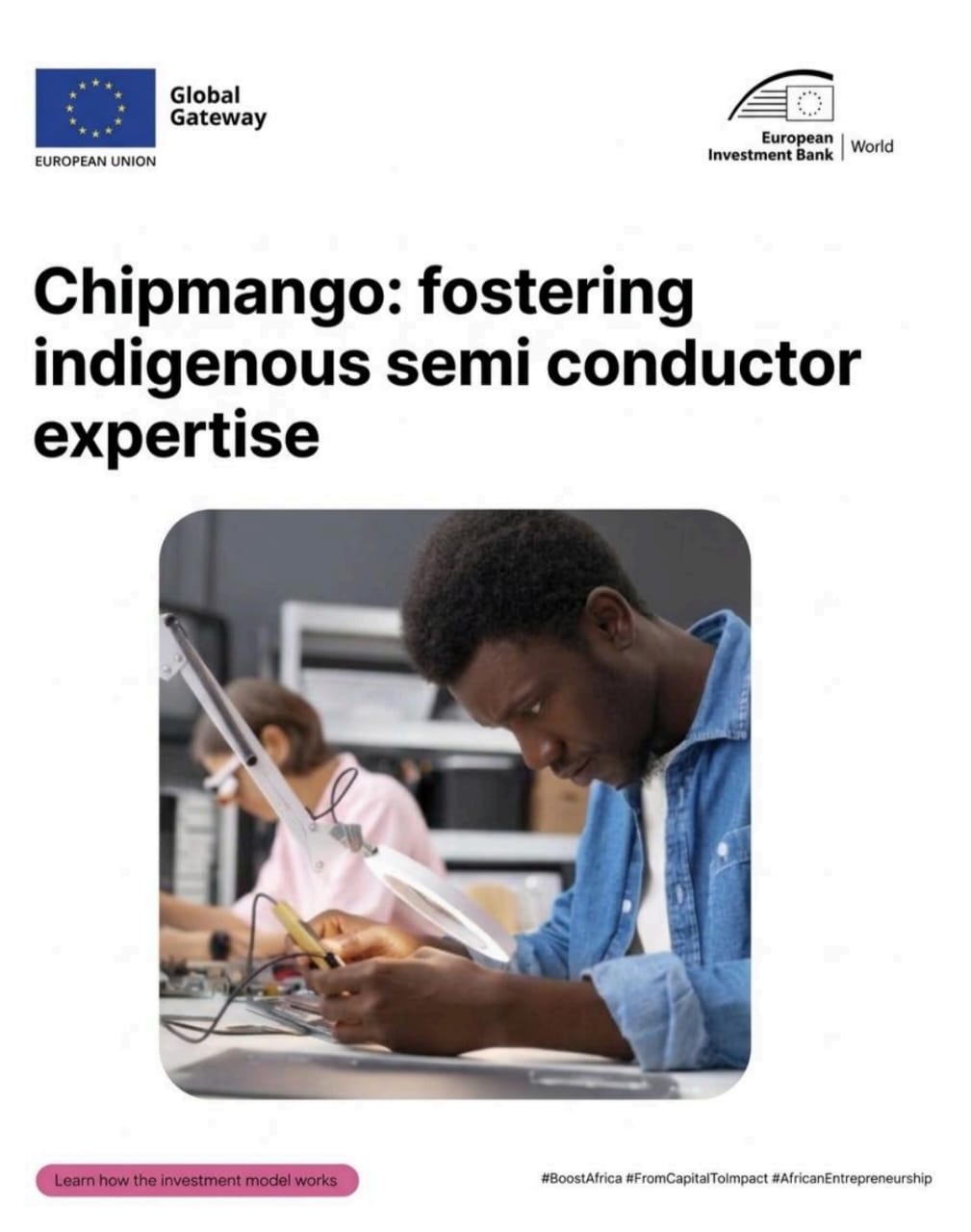
Africa’s Emerging Semiconductor Opportunity: How Boost Africa is Supporting Specialised Technology Businesses
Africa’s technology ecosystem has
produced innovative fintech, e-commerce and digital service companies. But there is another important part of the technology value chain that deserves attention: semiconductor engineering.
ChipMango is developing capabilities in chip design, verification and emerging hardware technologies. Its story demonstrates the kind of specialised innovation that deserves greater investment and attention.
Through Boost Africa, a joint initiative of the European Investment Bank (EIB) and African Development Bank, supported by the EU, the EIB helps channel investment through venture capital funds to innovative African enterprises. Discover how this investment ecosystem is helping create opportunities for businesses working on Africa’s technological future.
Watch the video:
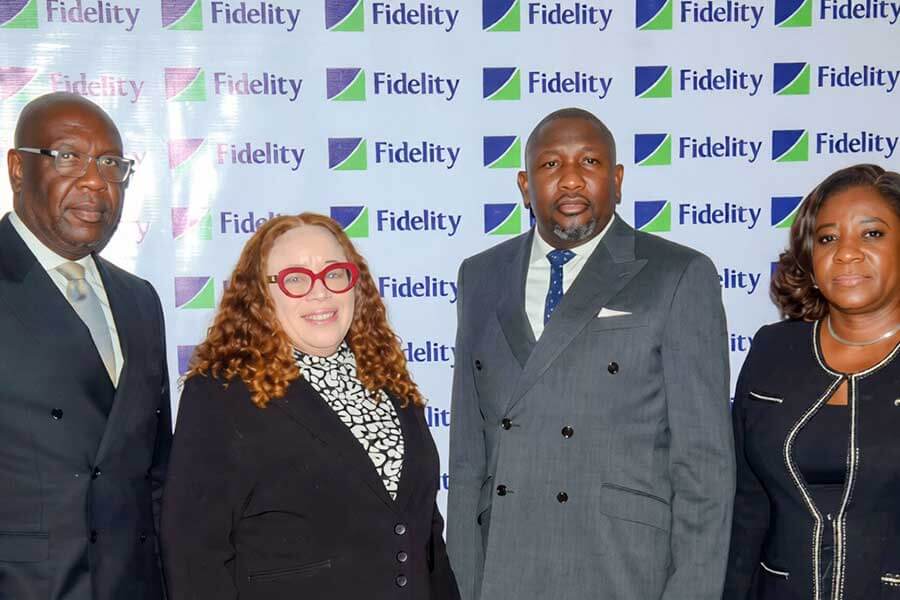
Leading financial institution, Fidelity Bank Plc, has reaffirmed its commitment to strengthening Nigeria’s Small and Medium-sized Enterprises (SMEs) through improved access to affordable financing, business advisory services and capacity-building initiatives.
The bank restated this commitment at the Abuja edition of its quarterly SME Business Forum, themed “Built to Compete: Positioning Abuja Businesses for Sustainable Growth”. The forum brought together entrepreneurs, industry stakeholders and regulatory representatives to address key issues affecting business competitiveness and growth.
Speaking at the event, Executive Director, North Directorate, Fidelity Bank Plc, Sufiyanu Garba, reiterated the bank’s commitment to supporting entrepreneurs with financing, knowledge, connections and solutions, while urging business owners to strengthen their financial discipline, structures and use of technology.
“A business may record strong sales and still struggle with cash flow. Sustainable growth requires business owners to understand what drives profitability, manage costs and working capital effectively, keep reliable records and use technology to make better decisions. These are the disciplines that position businesses to access finance, pursue larger opportunities and compete successfully,” he said.
He emphasized that Fidelity Bank provides financing solutions covering working capital, overdrafts, term lending, asset and equipment finance, trade finance and structured lending, tailored to businesses’ funding needs and operating cycles.
Garba further disclosed that the bank was collaborating with on-lending institutions to facilitate access to intervention funds at interest rates ranging from 10 to 16 per cent, depending on the applicable scheme.
“Access to affordable finance remains critical to SME growth. At Fidelity Bank, we are working with intervention funding partners to provide eligible businesses with financing at significantly reduced interest rates. Our goal is to ensure that promising businesses have the financial support they need to grow sustainably,” He said.
He added that the initiative was designed to ease financing pressures on entrepreneurs, particularly women-owned businesses, youth-led enterprises and businesses operating in green sectors.
The forum also provided a platform for entrepreneurs to engage regulatory stakeholders on taxation, customs procedures, importation, exportation and other issues affecting business operations.
Commending the initiative, Secretary of the Iron Dealers Association, Mararaba, Okwuchukwu Okolo, described the forum as a valuable opportunity for entrepreneurs to engage directly with the bank and relevant regulatory agencies.
“The Fidelity Bank SME Business Forum provided useful clarification on multiple taxation and customs procedures. It is encouraging to have a platform where business owners can raise concerns, receive practical guidance and better understand their regulatory obligations,” Okolo said.
Similarly, Chief Executive Officer, Febesth Global Resources Limited, Abuja, Folake Olufemi, applauded Fidelity Bank for facilitating knowledge-sharing and networking opportunities.
“I gained valuable insights into importation procedures and the appropriate channels for resolving customs-related complaints. The forum also created opportunities to network and engage directly with the bank on challenges affecting our businesses,” she said.
With successful editions held in Lagos, Kano, Port Harcourt and Abuja, the Fidelity SME Quarterly Business Forum forms part of the bank’s broader commitment to equipping Nigerian entrepreneurs with the financing, knowledge, market access and strategic connections required to build resilient and competitive businesses.
Ranked among the best banks in Nigeria, Fidelity Bank Plc is a full-fledged Commercial Deposit Money Bank serving over 10 million customers through digital banking channels, its 255 business offices in Nigeria and United Kingdom subsidiary, FidBank UK Limited.
The Bank is a recipient of multiple local and international awards, including the 2025 Development Bank of Nigeria (DBN) Innovation Award for MSME support; Best Retail and SME Bank Award from Independent Newspapers; Best Bank for Export & Trade Finance and Most Innovative Bank of the Year at the 2025 BusinessDay Banks and Financial Institutions (BAFI) Awards; and Nigeria’s Best Private Bank at the 2025 Euromoney Awards. The Bank also received the inaugural Most Improved Commercial Bank of the Year award by Nairametrics, the SME Bank of the Year award by NewsDirect, and the Straight-Through Processing (STP) Excellence Award by Citi Group, in addition to recognition by Global Brands Magazine for Excellence in Community Empowerment.