Metro
Pad Me A Girl Foundation Leads Charge Against Period Poverty


- /home/rhoncare/pointblank.ng/wp-content/plugins/mvp-social-buttons/mvp-social-buttons.php on line 27
https://pointblank.ng/wp-content/uploads/2026/06/IMG-20260604-WA0095-1000x600.jpg&description=Pad Me A Girl Foundation Leads Charge Against Period Poverty', 'pinterestShare', 'width=750,height=350'); return false;" title="Pin This Post">
- Share
- Tweet /home/rhoncare/pointblank.ng/wp-content/plugins/mvp-social-buttons/mvp-social-buttons.php on line 69
https://pointblank.ng/wp-content/uploads/2026/06/IMG-20260604-WA0095-1000x600.jpg&description=Pad Me A Girl Foundation Leads Charge Against Period Poverty', 'pinterestShare', 'width=750,height=350'); return false;" title="Pin This Post">
The Pad Me A Girl Empowerment Foundation has intensified its campaign against period poverty, calling for collective action to ensure that no girl is denied education, dignity, or opportunity because of menstruation.
The call was made during the commemoration of World Menstrual Hygiene Day held at Isolog College, Akute, Ogun State, on Wednesday, June 3, 2026. The event, themed, “The Pad Bank Movement: Ending Period Poverty Together” brought together students, teachers, partners, advocates, and community stakeholders to promote menstrual health awareness and support for girls.
Speaking at the event, the Founder of Pad Me A Girl Empowerment Foundation, Theresa Moses, described menstruation as a natural biological process that should never be a source of shame or a barrier to education and personal development.
According to her, period poverty remains a major challenge affecting thousands of girls across Nigeria, forcing many to miss school, withdraw from social activities, and sometimes resort to unsafe alternatives due to a lack of access to sanitary products.
She explained that the Foundation established the Pad Bank Movement as a sustainable solution to ensure girls have access to menstrual products whenever they need them.
“The Pad Bank is more than a storage facility for sanitary pads. It is a symbol of hope, dignity, inclusion, and empowerment. It ensures that no girl has to suffer in silence because of her period,” she said.
Moses disclosed that the Foundation has reached and impacted more than 10,000 girls and women across schools, rural communities, and underserved areas through menstrual health education, advocacy campaigns, sanitary pad distribution, and empowerment programmes.
She called on schools, governments, corporate organizations, parents, and development partners to support menstrual health initiatives and establish Pad Banks in schools to help eliminate period poverty.
Addressing the students, she encouraged girls not to feel ashamed of menstruation, emphasizing that it is a sign of growth and health.
“Your period should never stop you from achieving your dreams. Speak up when you need support, ask questions, and take pride in who you are,” she advised.
A major highlight of the programme was an educational session delivered by Mrs. Amina Omoike, a media expert and life coach on the topic, “Ending Period Poverty Together.”
Omoike described menstruation as a normal biological process experienced by women and girls worldwide and urged participants to reject harmful myths and misconceptions associated with periods.
“Your period is not a sickness. It is not a punishment. It is not something that should stop you from achieving your dreams,” she told the students.
She explained that period poverty goes beyond the inability to afford sanitary pads and includes a lack of access to clean water, proper sanitation facilities, accurate menstrual health information, and social support.
According to her, period poverty can result in school absenteeism, reduced confidence, health risks, anxiety, and social isolation among girls.
“There are girls who stay home for several days every month because they have no menstrual products. Imagine missing classes every month through no fault of your own,” she said.
Omoike urged girls to learn about menstrual health, ask questions without fear, support one another, and share accurate information. She also called on parents, schools, and communities to create supportive environments where menstruation can be discussed openly without stigma.
She concluded with a message of encouragement:
“Never let your period make you feel less valuable, less capable, or less intelligent. Your period does not define you. Your character, your dreams, your talents, and your determination define you.”
The Foundation also recognized the invaluable contributions of its corporate partners and sponsors whose support contributed significantly to the success of the event.
Leading the list was ProStar Sports International, a fast-rising Nigerian sportswear and sports equipment manufacturer founded by Ambassador Paul Maduakor. The company is renowned for producing premium sports products, including the ProStar Evolution Ball, breathable jerseys, custom sports kits, and high-quality sportswear. Beyond manufacturing, ProStar is actively involved in grassroots sports development, sponsoring youth sporting events and local tournaments across Nigeria. The company has also built a reputation for supporting social impact initiatives, including menstrual health awareness campaigns and youth empowerment programmes. As part of its support for the programme, ProStar Sports International provided customized jerseys for team members and volunteers of the foundation.
The Foundation also acknowledged the support of BL Consulting, a Lagos-based financial services and business support firm established by accounting and finance professionals. The company provides both virtual and on-site services to businesses, helping organizations improve efficiency and growth through bookkeeping, financial reporting, tax administration, payroll management, inventory management, and other accounting solutions. BL Consulting’s commitment to business development and community support was commended during the event.
Also recognized was Vitabaites Foods, a growing Nigerian food processing company known for producing crunchy and nutritious Kuli-Kuli products enjoyed by consumers across different communities. The company continues to support initiatives that promote community well-being, youth development, local food production, and entrepreneurship.
The Foundation further appreciated its media partners for consistently amplifying messages around menstrual health, girls’ empowerment, and the fight against period poverty.
According to Theresa Moses, the media remain critical stakeholders in breaking the silence around menstruation and educating communities on the importance of menstrual health and hygiene.
The management of Isolog College, Akute, was equally commended for providing a conducive platform for the programme and for demonstrating commitment to the education, health, and overall well-being of young girls.
According to the Foundation, the support received from these organizations reflects the growing recognition that ending period poverty requires collaboration among schools, businesses, civil society organizations, the media, and community stakeholders.
Beneficiaries described the programme as impactful, educational, and empowering, with many students expressing appreciation for the opportunity to learn more about menstrual health and hygiene.



Several people are feared missing after a boat conveying mourners from a burial ceremony in Ukubie community, Southern Ijaw Local Government Area of Bayelsa State, sank on Friday near Oweikorogha community, throwing passengers into the river.
The incident, which has plunged the affected communities into panic and grief, involved a vessel popularly known as a Love Boat.
Reports said that the boat was conveying people who had attended a burial ceremony in Ukubie when it capsized shortly after passing Oweikorogha community.
Information emerging from the area indicated that several passengers were feared missing following the accident, although the exact number of people aboard the vessel and those unaccounted for had yet to be established as of the time of filing this report.
The incident has sparked anxiety among families and residents of Ukubie and Oweikorogha, as efforts continue to establish the fate of those who were travelling on the boat.
Residents and community members have mobilised to assist in the search for passengers who may have survived the accident.
The rescue efforts were said to be ongoing, with residents joining hands to locate those who were thrown into the water when the vessel went down.
However, the number of survivors, if any, had not been officially confirmed at the time of this report.
Families of the passengers were said to be anxiously awaiting information about their loved ones, as the incident cast a pall of mourning over the two communities.
The circumstances surrounding the boat mishap remain unclear, as authorities are yet to issue an official statement explaining what caused the vessel to sink.
It was also not immediately established how many passengers were aboard the boat or whether the vessel encountered mechanical difficulties or other challenges before capsizing.
Southern Ijaw is one of the major riverine local government areas in Bayelsa State, with several communities relying heavily on waterways for transportation because of the limited road network.
Boat transportation remains a major means of movement for residents travelling between riverine settlements, particularly during social gatherings, burial ceremonies and other community activities.
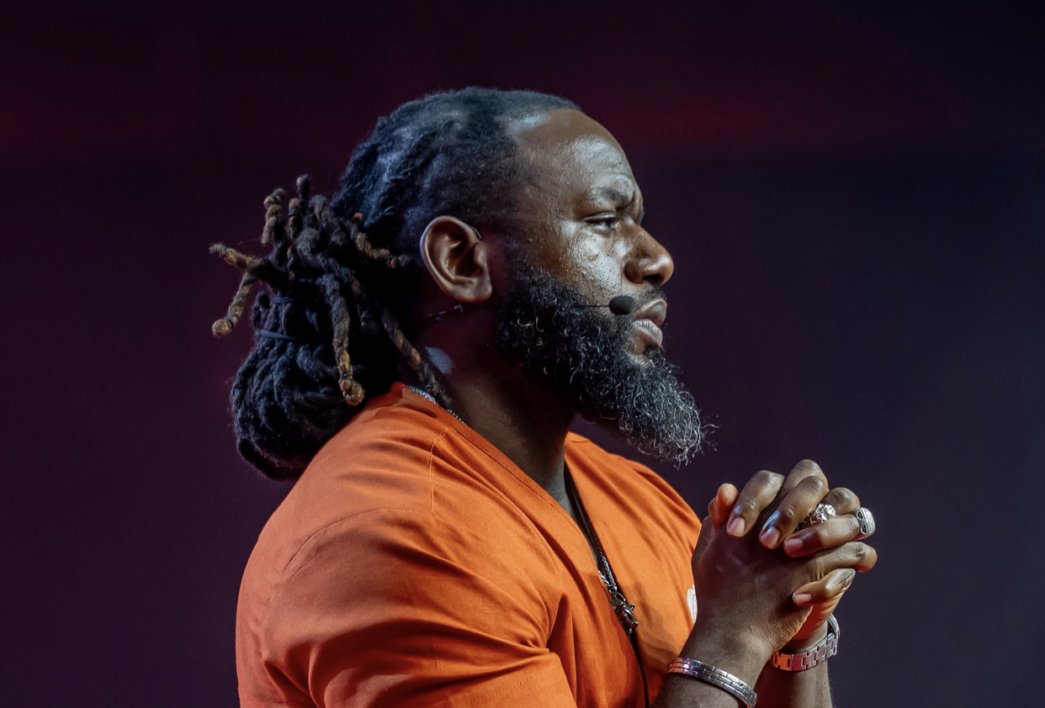
The Lagos State High Court has restrained Jimmy Odukoyafrom parading himself as the senior pastor and spiritual head of the Fountain of Life Church, following a legal challenge by the church’s board of trustees.
Justice O.O. Adewunmi-Oshin issued the order on Wednesday after hearing an application filed by the incorporated trustees of the church, who are seeking to prevent Jimmy from acting in the capacity of senior pastor.
The trustees told the court that Jimmy had ceased to occupy the position following the appointment of a successor by the church’s late founder, Pastor Taiwo Odukoya, who died in 2023.
In their application, the trustees sought an injunction to prevent Jimmy, either personally or through representatives, from interfering in the church’s administration and activities while the legal process continues.
According to reports, part of the order read: “A Pre-emptive Order of Injunction restraining the Respondent, whether acting personally or through any proxies in any alleged capacity as the Senior Pastor of the Church from interfering, disrupting, meddling with and or obstructing the activities, governance and any other business of the Church pending the Applicant’s full compliance with the High Court of Lagos State (Expeditious Disposal of Civil Cases) Practice Directions No. 2 of 2019 on Pre-action Protocol.”
The court also granted the trustees permission to commence the action under the pre-action protocol provided for in the Lagos State High Court’s practice directions.
In his ruling, the judge said: “Leave is hereby granted to the Applicant to commence this action under the Pre-Action Protocol pursuant to Paragraph 4 of the High Court of Lagos State (Expeditious Disposal of Civil Cases) Practice Direction No. 2 of 2019.”
The court proceedings came a day after the church’s board of trustees announced Jimmy’s removal as senior pastor, alleging that his appointment did not reflect the succession arrangements made by his late father.
The board explained that its decision followed a review of the church’s constitution and instructions allegedly documented by Taiwo before his death.
According to the trustees, they recently uncovered a video recording made by the late founder in December 2021, in which he outlined his preferred succession arrangement.
They further claimed that the recording was not made available to the board before Jimmy’s appointment, which they subsequently described as wrongful.
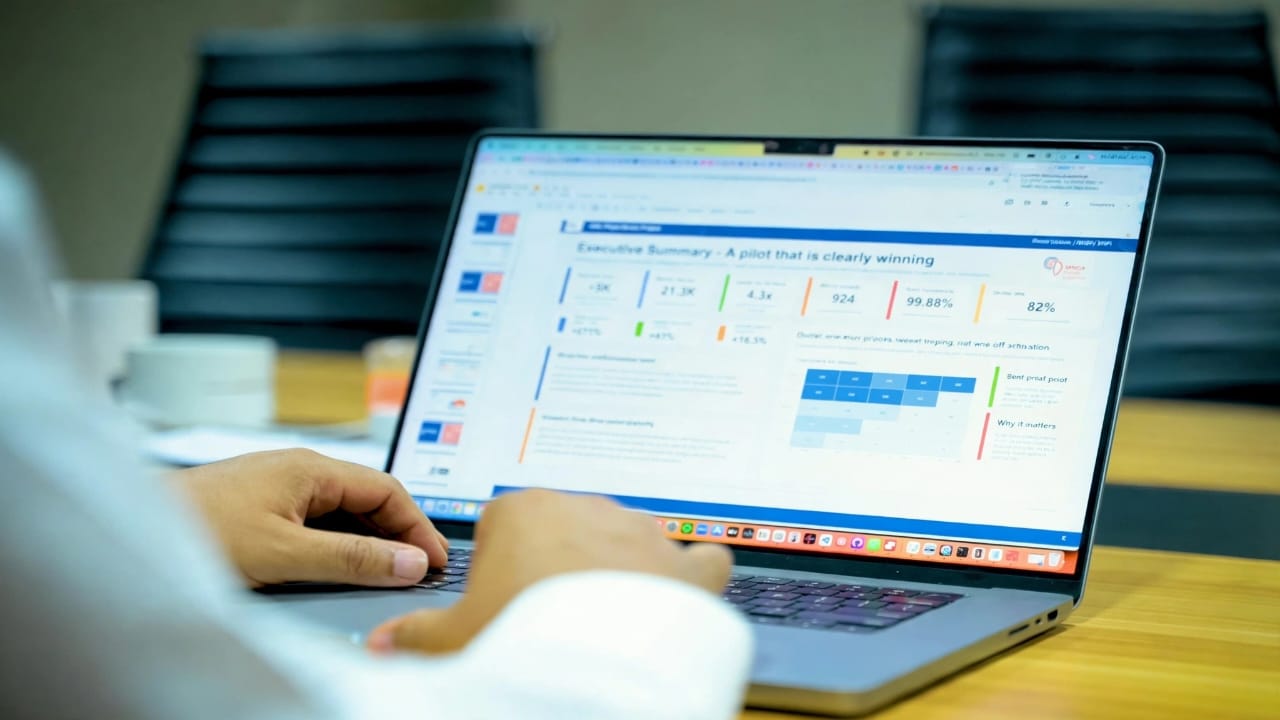
Access to reliable suppliers, working capital, inventory management and technology are critical to helping Africa’s neighbourhood retailers build sustainable businesses, according to a new Boost Africa feature highlighting TradeDepot.
For millions of small retailers across Africa, keeping products on their shelves is only one part of running a successful business. Access to affordable goods may bring customers through the door, but sustainable growth requires much more than having products available for sale.
From limited working capital and inconsistent supplies to the time spent sourcing goods from multiple distributors, small business owners face challenges that affect their ability to serve customers, expand inventory and remain competitive.
Consider a neighbourhood shop owner who understands what customers want but cannot afford to purchase enough stock to meet demand. Another retailer may spend hours contacting different suppliers and negotiating purchases, leaving little time to focus on customers and other aspects of the business.
These challenges highlight why small retailers need more comprehensive support systems to grow.
According to a feature by Boost Africa, sustainable retail growth depends on reliable access to suppliers, sufficient working capital, efficient operations and technology that helps business owners make informed decisions.
The initiative identifies several areas where small retailers need support, including access to products at competitive prices, inventory management, timely stock replenishment, financing and tools that reduce the cost and time involved in sourcing goods.
Technology is increasingly emerging as an important part of addressing these challenges.
Nigerian technology company TradeDepot is working to improve how small retailers access products by connecting them with manufacturers and distributors through its digital platform.
The company’s approach reflects a broader shift in retail distribution, moving beyond the supply of goods towards building an ecosystem that helps small businesses operate more efficiently.
Access to finance also remains a major part of this conversation.
Through Boost Africa, the European Investment Bank (EIB) invested €10 million in Partech Africa Fund, which subsequently backed TradeDepot.
The investment highlights how development finance and venture capital can support innovative African businesses working to address practical challenges across the continent.
Boost Africa supports investment in businesses developing solutions to economic and social challenges, with the potential to create wider opportunities for growth and development.
For neighbourhood retailers, the bigger issue is no longer just where to find products. It is how to access the finance, technology, supply networks and business support needed to turn small shops into sustainable enterprises.
As Africa’s retail sector continues to evolve, strengthening the businesses that serve communities every day could play an important role in building a more inclusive and efficient economy.
Watch the video: TradeDepot brings commerce closer to communities with Boost Africa.